

Photo Credits: Visit Singapore
Hari Raya Aidilfitri in Singapore is one of the most vibrant and meaningful festivals on the national calendar, bringing together faith, family and food in a uniquely local way. In 2026, Hari Raya Aidilfitri in Singapore is expected to fall on Saturday, 21 March, marking the end of the fasting month of Ramadan and ushering in a weekend of celebrations across the island.
When is Hari Raya Aidilfitri in 2026?
Hari Raya Aidilfitri, also known locally as Hari Raya Puasa or Eid al-Fitr, is celebrated on the first day of Syawal, the tenth month of the Islamic lunar calendar. In Singapore, the tentative public holiday date for Hari Raya Aidilfitri in 2026 is 21 March, a Saturday, with the exact date confirmed by the authorities closer to the time based on the sighting of the new moon.
The holy month of Ramadan in Singapore is expected to run from around 18 February to 19 March 2026, with Muslims fasting from dawn to sunset each day in spiritual reflection and devotion. As the month draws to a close, the city gradually shifts into festive mode, with preparations for the big day visible in homes, mosques and key neighbourhoods.
The Meaning Behind the Celebration
For Muslims in Singapore, Hari Raya Aidilfitri is a day of gratitude to God for the strength to complete a month of fasting, prayer and charity. It is also a time to seek forgiveness, strengthen family ties and reconnect with friends and neighbours after the quiet introspection of Ramadan.
Many families begin the day with special morning prayers at mosques across the island, followed by a sermon that reflects on compassion, community and humility. After prayers, families typically visit the graves of loved ones, tidy the plots and offer prayers, highlighting the importance of remembrance and continuity between generations.
Festive Morning: Prayers and Family Traditions
On the morning of Hari Raya Aidilfitri in Singapore, you will see families dressed in coordinated traditional outfits—baju kurung, baju Melayu or modern modest wear—in soft pastels or rich jewel tones. Men often head to the mosque early for the Hari Raya prayers, while others prepare the home for the stream of guests that will arrive throughout the day.
A cherished tradition is the practice of asking for forgiveness within the family. Younger members sit with parents and elders, apologising for past mistakes and receiving heartfelt blessings in return. Green packets containing money, known as “duit raya”, are often given to children and younger relatives, similar in spirit to Chinese New Year red packets.
Visiting Open Houses and Practising Good Etiquette
Open houses are a distinctive feature of Hari Raya Aidilfitri in Singapore, when Muslim families welcome relatives, friends and even colleagues into their homes to share food and conversation. In HDB estates and landed homes alike, doors stay open for hours as guests arrive in waves, contributing to a warm, communal atmosphere.
If you are invited to an open house, it is polite to dress modestly, remove your shoes before entering, and bring a small token such as cakes, dates or a box of sweets. Be mindful of prayer times and space, and follow your host’s lead on where to sit, when to eat and how long to stay, especially in compact flats where guests are staggered throughout the day.
Signature Dishes and Sweet Treats
Food is at the heart of Hari Raya Aidilfitri in Singapore, and many families start cooking days in advance. A classic spread may include lemang (glutinous rice cooked in bamboo), ketupat (rice cakes wrapped in woven palm leaves), rendang (slow-cooked spiced meat), sambal goreng and sayur lodeh (vegetable curry).
On the coffee table, you will often find jars of festive cookies like pineapple tarts, kuih makmur, kuih bangkit, sugee cookies and colourful layered kuih lapis. These treats are not just delicious; they also showcase the Malay culinary heritage and the care hosts put into preparing for their guests. Non-Muslim visitors are frequently encouraged to sample everything, making the celebration an accessible entry point into Malay-Muslim culture.
Geylang Serai: Light-Up and Ramadan Bazaar
In the weeks leading up to Hari Raya Aidilfitri in Singapore, Geylang Serai becomes the focal point of festive activity. Streets along Geylang Road, Sims Avenue and the area around Wisma Geylang Serai are adorned with illuminated arches, colourful motifs and decorative elements inspired by ketupat, kampung houses, crescent moons and traditional Malay delicacies.
The annual Ramadan bazaar at Geylang Serai brings hundreds of stalls selling everything from traditional kuih and grilled meats to trendy street food, festive clothing and home décor. Visitors can wander through the bazaar in the evening, breaking fast at one of the many food stalls, picking up new outfits for the first day of Raya and soaking in the bustling atmosphere under the lights.
Kampong Glam and Other Festive Spots
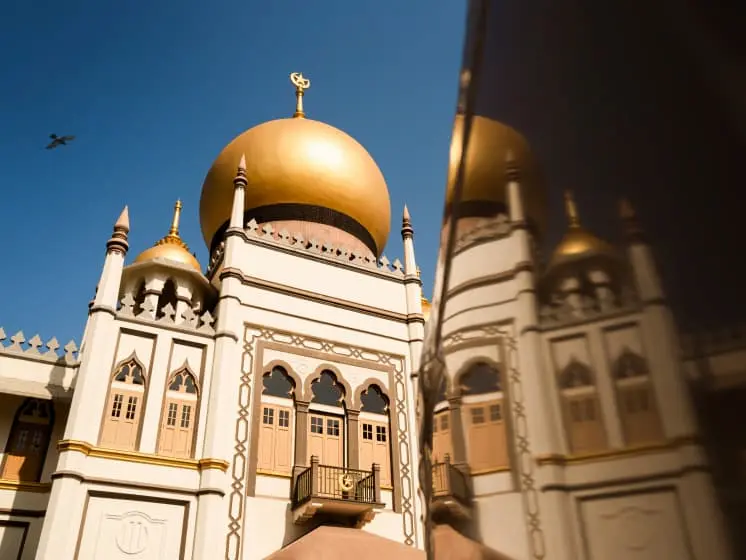
Beyond Geylang Serai, other neighbourhoods in Singapore also mark Hari Raya with style. In Kampong Glam, around Sultan Mosque and Arab Street, shophouses hang fairy lights and star-and-crescent decorations, while cafés and eateries offer special Ramadan and Raya menus. The golden dome of Sultan Mosque makes a striking backdrop for festive photos, and the area is popular with both local families and tourists during this period.
Shopping districts and malls across the island also join in with themed décor, sales and photo spots tied to Hari Raya Aidilfitri in Singapore. For families, this can be a convenient way to pick up last-minute outfits, home accessories or gifts while enjoying the wider city’s festive styling.
Public Events and the Istana Open House
On or around Hari Raya Aidilfitri, the Istana—official residence of the President of Singapore—often holds an open house, giving the public a rare chance to stroll the grounds and enjoy special programmes. Past events have included cultural performances featuring traditional Malay music and dance, guided heritage tours of the main building, and activity booths run by social service agencies.
Admission to the Istana grounds is typically free for Singaporeans and permanent residents, with a nominal fee for some tours and for non-residents. Checking the latest announcements from the President’s Office or local media as Hari Raya approaches will help you confirm whether an open house is scheduled for 2026 and what activities are lined up.
Tips for Non-Muslim Visitors in 2026
If you are new to Hari Raya Aidilfitri in Singapore, 2026 is an excellent year to immerse yourself respectfully in the celebrations. Plan an evening visit to the Geylang Serai Ramadan bazaar in early March, then spend the public holiday visiting Muslim friends, exploring heritage districts or attending public events such as an Istana open house.
Simple gestures—learning to say “Selamat Hari Raya”, dressing modestly, and showing curiosity about the customs—go a long way towards building genuine connections. Whether you are sharing a plate of rendang in an HDB flat or admiring the light displays along Geylang Road, Hari Raya Aidilfitri in Singapore offers a warm reminder of the country’s multicultural spirit and the joy of coming together after a month of reflection.




Pinglu Canal, project of century, completed and opened to navigation
Flexible Workspace Leader Industrious to Open New Flagship at 1 Elizabeth Street, Its Most Premium Sydney Workspace

Finding a Second Home: Indian Student Aashni Rungta Pursues Business Excellence at CUHK
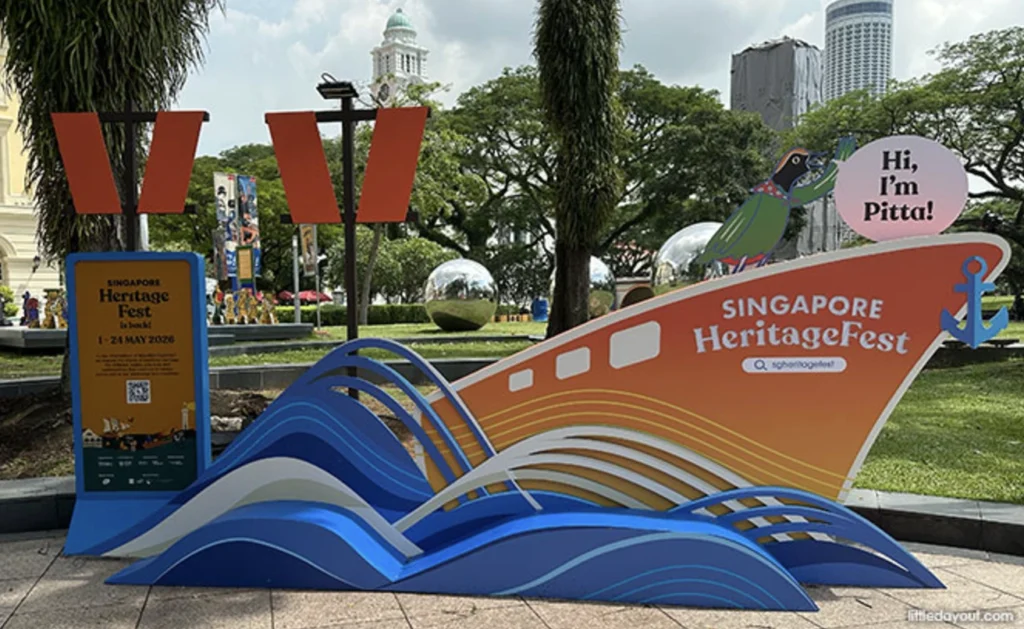
Singapore HeritageFest 2026: Full Event Guide
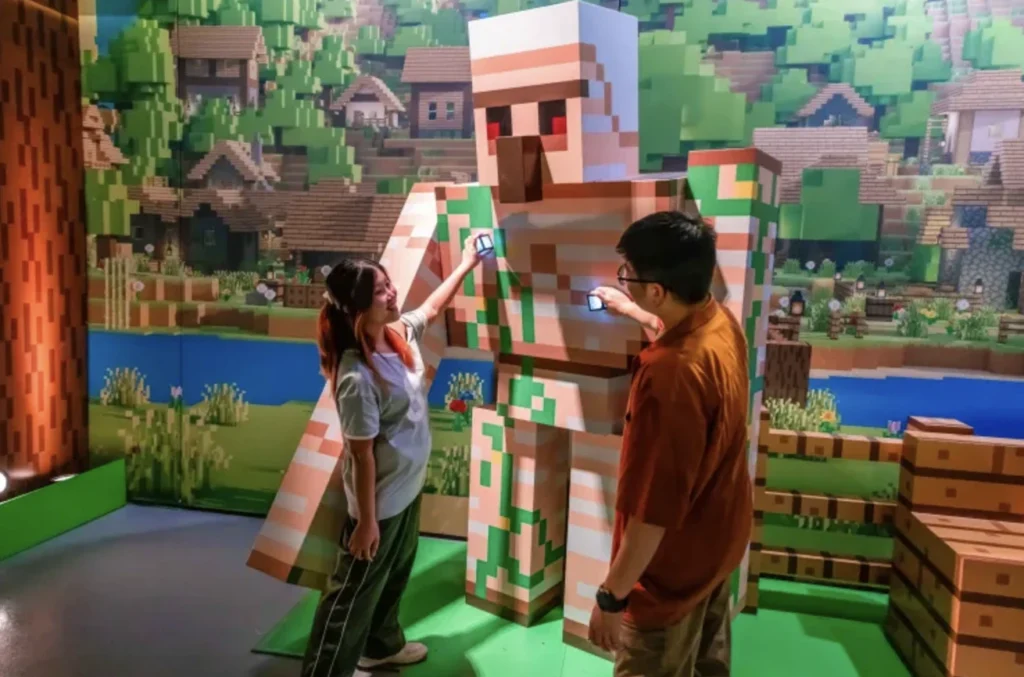
Minecraft Experience At Mandai: Family Activity Guide
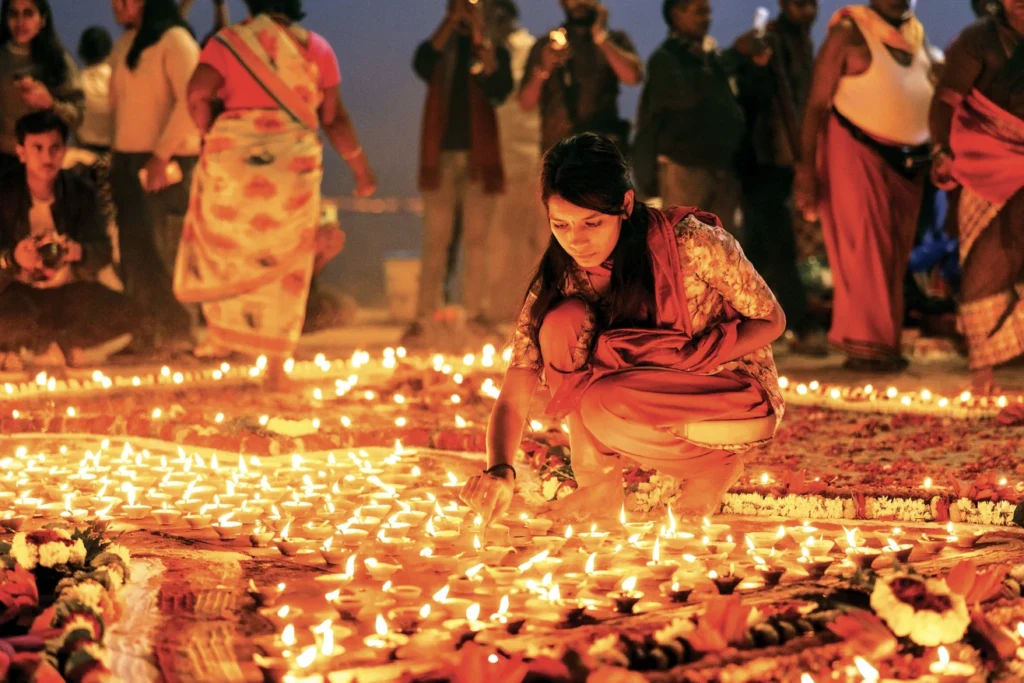
Singapore Lifestyle Magazine Picks: Best Of November 2026
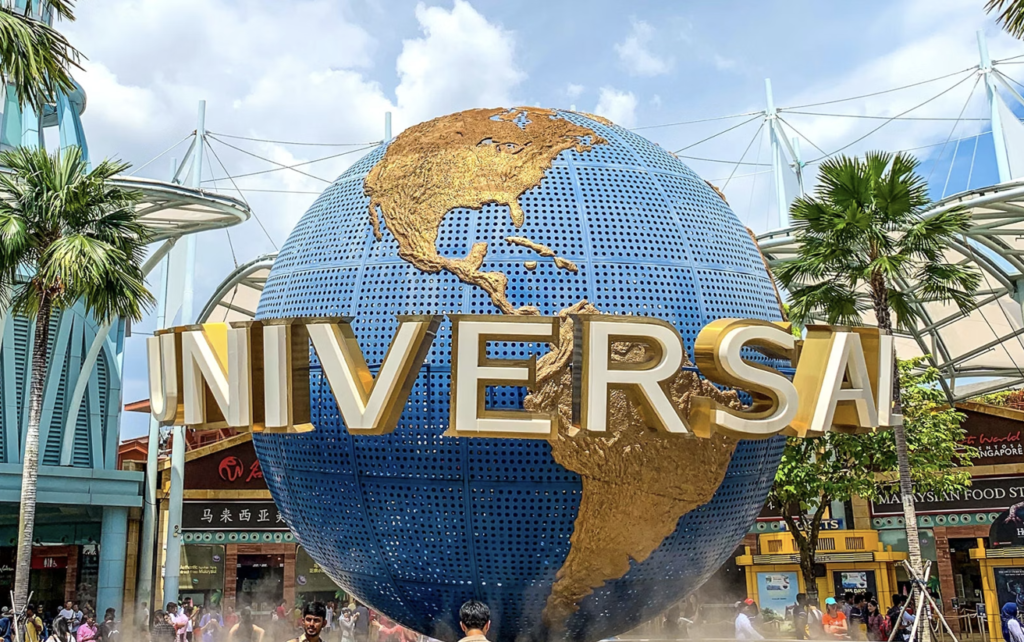
Universal Studios Singapore $55 Ticket Deals: Is It Worth It In 2026?
Pinglu Canal, project of century, completed and opened to navigation
Flexible Workspace Leader Industrious to Open New Flagship at 1 Elizabeth Street, Its Most Premium Sydney Workspace
Finding a Second Home: Indian Student Aashni Rungta Pursues Business Excellence at CUHK