

Photo Credits: Mediacorp
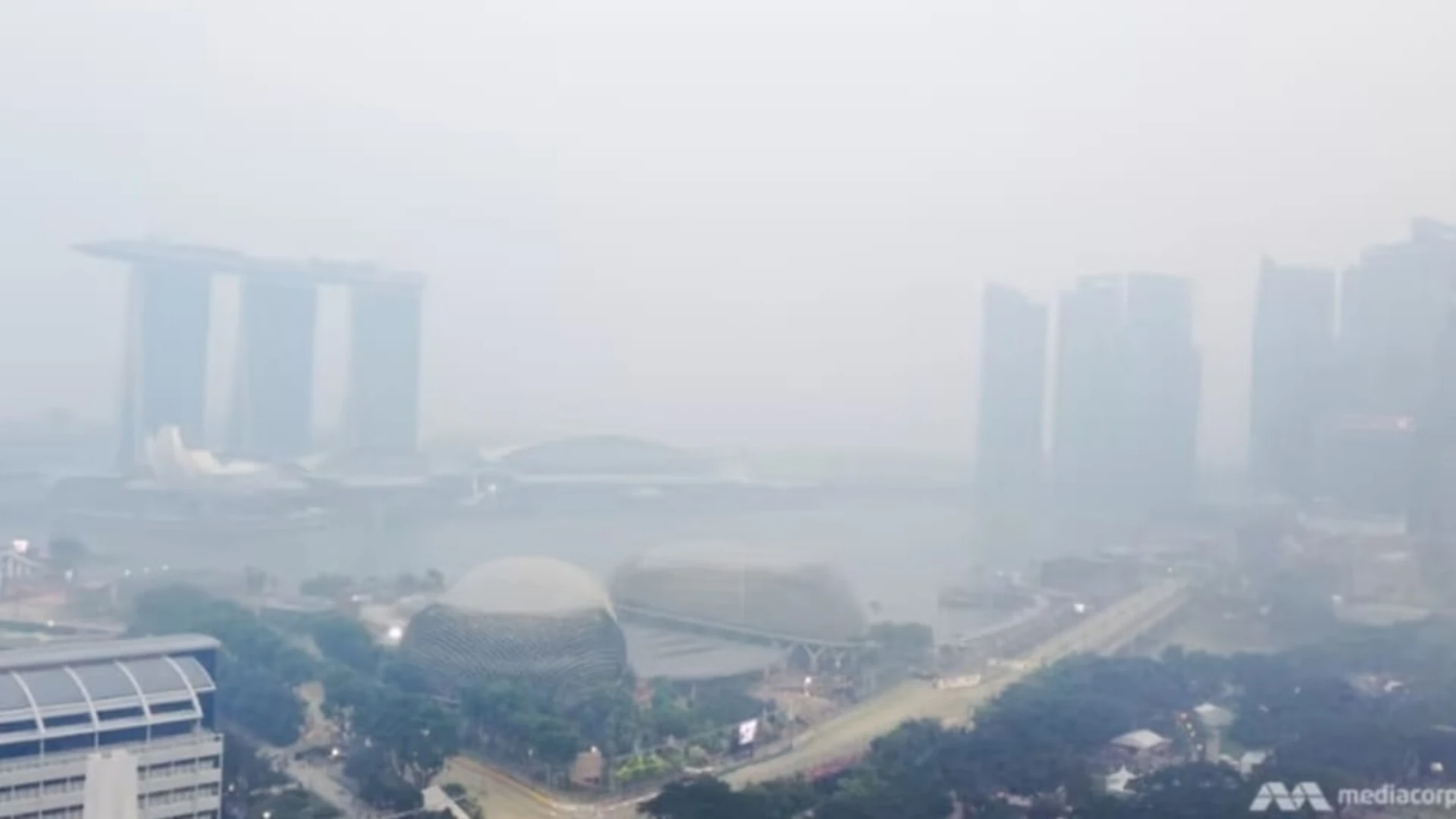
If you have noticed a burning smell in Singapore lately, you are not imagining it. In recent days, many people have reported a smoky or acrid odour, especially at night and more noticeably in the east, even though air quality readings have stayed in the normal range.
The short answer is that the smell can come from smoke and gases linked to regional vegetation and peat fires, rather than from a major spike in the pollutants that PSI and PM2.5 track. That is why the air may smell unpleasant even when official readings do not show a haze emergency.
Why the smell happens
According to the National Environment Agency, vegetation and peatland fires release a complex mix of gases, including volatile organic compounds, which can create a strong burning smell. These gases are not the same as the air pollutants measured in the standard air-quality index, so the numbers can remain “good” or “normal” while the smell is still obvious.
This is the main reason the burning smell in Singapore can feel confusing. People naturally expect smoke to mean poor air quality, but odour and particulate readings do not always move together.
Why it seems worse at night
Many residents say the smell is stronger after dark, and that matches what NEA has explained in recent coverage. At night, weaker winds reduce the air’s ability to disperse pollutants, while cooler temperatures can trap them closer to the ground.
That means the smell can linger longer in the evening and early morning. Once winds pick up again, the odour often becomes less noticeable.
Why the east feels it more
Reports have often been strongest in eastern parts of Singapore, including places such as Tampines, Bedok, Pasir Ris and the East Coast. This is likely because winds have been carrying smoke and odorous gases from fires in nearby regions, including eastern Johor, towards Singapore.
In simple terms, the east is closer to the path of the drifting smoke. If the wind direction lines up with those regional hotspots, the smell can be more pronounced there than in other parts of the island.
Why PSI can still look fine
PSI and PM2.5 are useful, but they do not capture every smell-producing compound in the air. NEA’s monitoring focuses on key pollutants such as PM10, PM2.5, sulphur dioxide, nitrogen dioxide, ozone and carbon monoxide, while the smell may be caused by gases outside those measurements.
That is why the burning smell in Singapore can happen even when the 24-hour PSI stays in the good to moderate range and one-hour PM2.5 remains normal. In other words, the air can be unpleasant to the nose without being a major pollution event by the official index.
What it means for health
For many people, the smell is mainly a nuisance. But some residents with asthma, allergies or sensitive airways may feel irritation in the eyes, nose, throat or lungs even when PSI is not alarming.
Doctors quoted in local coverage also noted more complaints of sore throats, eye irritation and asthma flare-ups during recent smoky periods, although it is not always possible to prove a direct link. If you are sensitive, it is wise to treat the smell as a real trigger rather than waiting for the numbers to worsen.
What you can do
If the smell is strong, reduce long outdoor exposure, especially in the evening when it tends to linger. Staying indoors, closing windows when the odour is heavy and using an air purifier in the bedroom can help make the air more comfortable.
People with asthma may want to keep preventive inhalers on hand if prescribed by a doctor, and those with allergic rhinitis may benefit from nasal treatment if symptoms flare. If symptoms become persistent or severe, medical advice is the safest next step.
How to stay updated
For the latest status on the burning smell in Singapore, check NEA’s air-quality updates and the myENV app. These sources give you the most current view of PSI, PM2.5 and any official haze-related advisories.
It is also useful to follow official updates on regional fire activity and weather patterns, because winds and dry conditions can quickly change how noticeable the smell becomes. A short period of dry weather can make regional smoke easier to detect, even if conditions improve again later.
What to remember
The burning smell in Singapore is usually linked to smoke and gases from regional vegetation or peat fires, not necessarily a local fire or a sudden pollution spike. It can be more noticeable at night, stronger in the east and present even when PSI and PM2.5 stay within acceptable limits.





Pinglu Canal, project of century, completed and opened to navigation
Flexible Workspace Leader Industrious to Open New Flagship at 1 Elizabeth Street, Its Most Premium Sydney Workspace

Finding a Second Home: Indian Student Aashni Rungta Pursues Business Excellence at CUHK

Singapore HeritageFest 2026: Full Event Guide

Minecraft Experience At Mandai: Family Activity Guide
Singapore Lifestyle Magazine Picks: Best Of November 2026
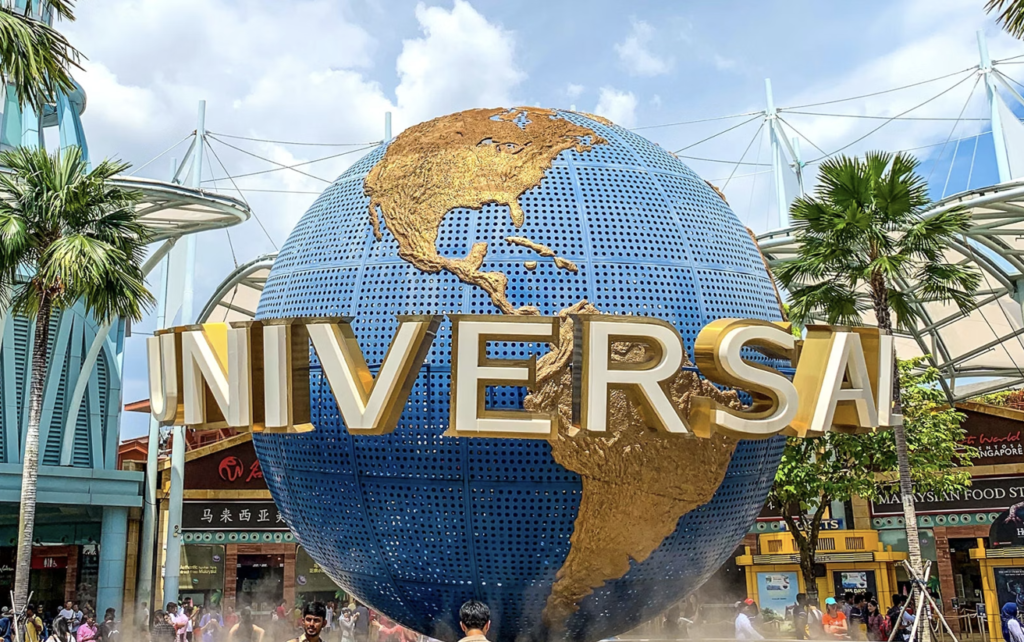
Universal Studios Singapore $55 Ticket Deals: Is It Worth It In 2026?
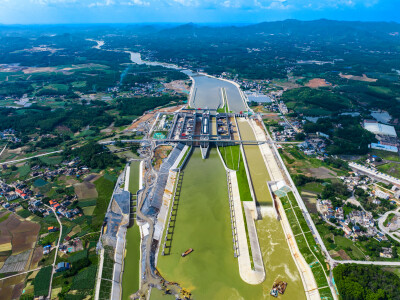
Pinglu Canal, project of century, completed and opened to navigation
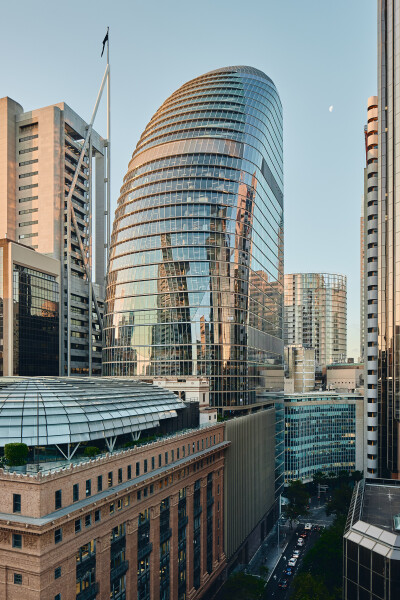
Flexible Workspace Leader Industrious to Open New Flagship at 1 Elizabeth Street, Its Most Premium Sydney Workspace

Finding a Second Home: Indian Student Aashni Rungta Pursues Business Excellence at CUHK