





Photo Credits: Gardens by the Bay
Singapore’s 2026 calendar brings a strong lineup of openings and refreshed favourites that blend big-budget spectacle with nature-led regeneration, family-friendly zones and tech-driven exhibits. The new attractions in Singapore in 2026 reshape how visitors and locals move around, eat and play across the island, offering everything from theatrical walkthroughs to upgraded wildlife habitats and expanded outdoor trails.
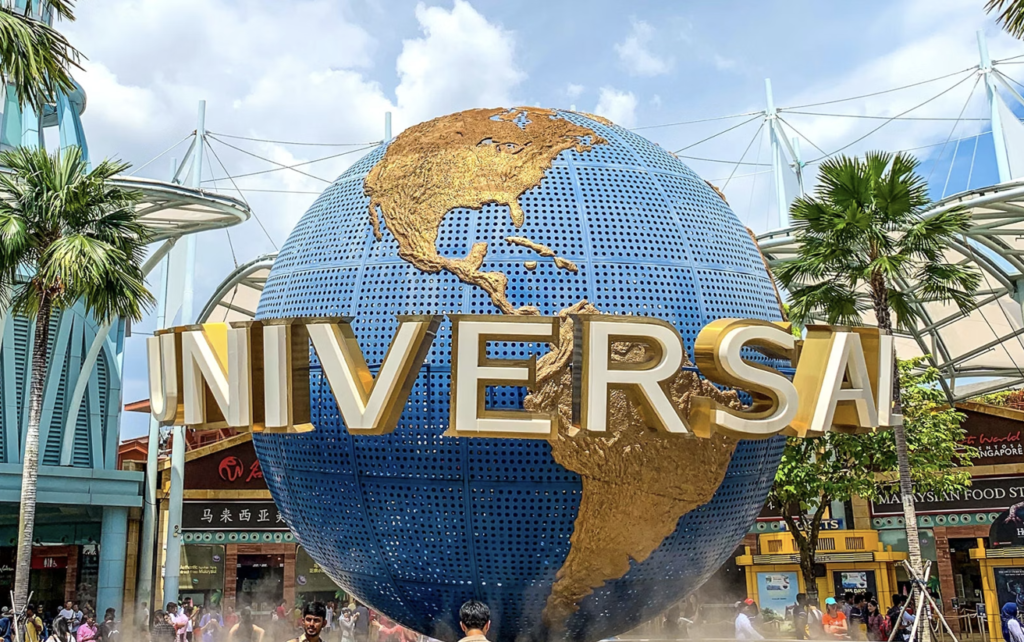
Large-scale branded experiences anchor Sentosa and integrated resorts, delivering multi-sensory installations aimed at fans of big franchises as well as casual visitors. These attractions combine walkthrough theatre, interactive set pieces and photo-first moments, making them especially appealing to families and social-media savvy travellers. Timed-entry tickets and curated slots help manage queues and improve narrative flow, while sound design and projection mapping create immersive environments that reward longer visits.
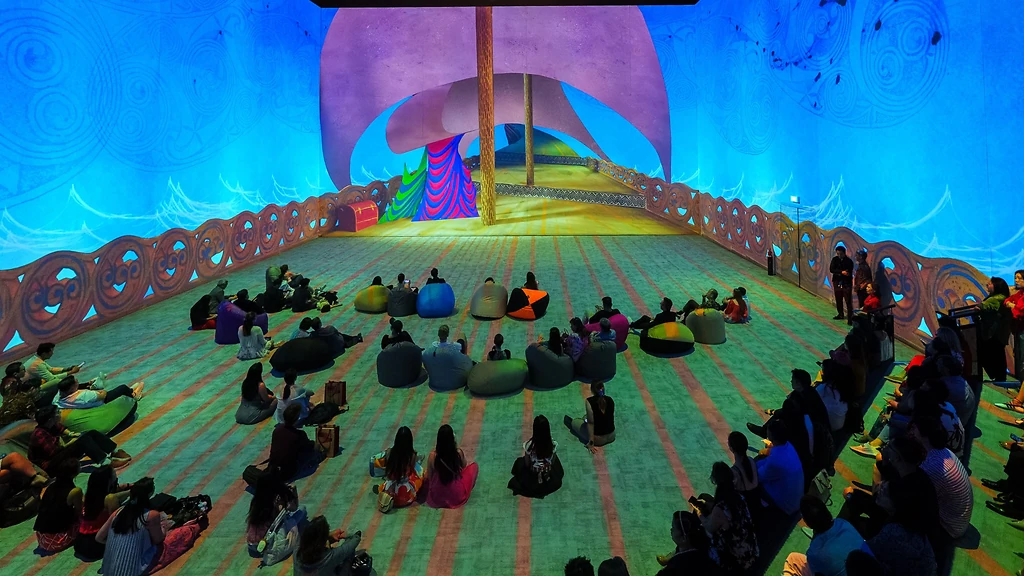
New immersive exhibitions tell stories rather than simply displaying artefacts; they use tactile elements and mixed-reality displays to immerse guests in the narrative. Visitors often find that these experiences encourage repeat visits because rotating special exhibits and seasonal programming keep the content fresh.
Family zones and ride precincts have been expanded with world-class simulators and IP-themed play areas that suit both young children and teens. These precincts pair attractions with themed F&B and retail, turning a one-ride visit into a half-day outing. Operators increasingly offer combo passes and seasonal events such as parades and character dining, which make repeat visits worthwhile for families.
Large aquaria and marine centres reopened or relaunched with a stronger focus on conservation, research and interactive learning. Bigger tanks, immersive tunnels and mixed-reality displays explain ecosystems rather than only showcasing specimens. Wildlife and conservation precincts around Mandai have been upgraded with boardwalks, rainforest-inspired accommodation and expanded habitats designed to place animals in more naturalistic settings while improving visitor circulation. These developments favour low-impact viewing and educational programming, with behind-the-scenes tours and keeper talks selling out quickly.
Waterfront promenades, reservoir boardwalks and reinstated green corridors are now core to many new attraction lists; they offer free or low-cost access to scenic viewpoints and active-travel routes. New rainforest walkways and canopy trails encourage slower, observational travel and pair well with nearby cafés and picnic spots for ready-made half-day itineraries. These outdoor attractions are ideal for budget-friendly outings or wellness-focused days, and they complement the island’s high-energy venues by offering calm, scenic alternatives.
Museums and cultural centres opening new permanent galleries favour immersive storytelling and rotating special exhibitions rather than static displays. Many include social spaces—cafés, bookshops and maker studios—that increase dwell time and appeal to creative tourists. Museum membership perks, late-night openings and lecture series add value beyond the basic ticket, making these venues attractive for culture-seekers who want depth and context.
New attraction clusters increasingly incorporate curated dining precincts and pop-up retail that spotlight local producers and sustainable concepts. Nighttime activations—light shows, evening markets and after-hours programmes—extend visiting hours and improve visitor distribution across the day. Early evening is best for markets and casual dining, while later nights suit light shows and performances.
Many new attractions use timed-entry systems, dynamic pricing and advance online ticketing to smooth visitor flow, so booking in advance reduces disappointment. Grouped-ticket options often save money for families and groups. Accessibility features—step-free routes, tactile maps, hearing-aid loops—are increasingly standard, and mobility-hire options are available at many venues. Older travellers and families with small children benefit from calling out these features in pre-trip planning.
Day 1: Pick one large branded or immersive attraction for half to a full day, followed by a nearby dining precinct and an evening light activation.
Day 2: Combine a wildlife or marine centre visit in the morning with an urban-nature boardwalk in the afternoon, finishing with local hawker fare.
Day 3 (optional): Use a museum or cultural centre for a relaxed morning and a shopping or retail pop-up for the afternoon—ideal for slow travellers or repeat visitors.
The new attractions in Singapore in 2026 reflect a strategic shift toward experiences that combine entertainment, education and sustainability. Immersive storytelling, upgraded wildlife habitats and expanded green corridors offer something for families, culture-seekers and nature lovers alike. Timed-entry systems and combo passes make planning easier, while nighttime activations and curated dining precincts extend the value of every visit.
For short city breaks, the mix of high-energy themed sites and calm outdoor trails creates flexible itineraries that avoid fatigue. For repeat visitors, seasonal events, rotating exhibitions and behind-the-scenes tours provide compelling reasons to return. The new attractions in Singapore in 2026 also demonstrate how the city integrates technology, conservation and design into everyday tourism, raising the bar for visitor experience while supporting local creative industries and sustainable practices.
In sum, the new attractions in Singapore in 2026 deliver a diverse, high-quality mix of experiences that cater to different travel styles and budgets. From theatrical walkthroughs and upgraded marine centres to rainforest boardwalks and cultural galleries, the island’s latest openings make it easier than ever to craft fresh, satisfying trips—whether you’re visiting for a weekend or planning a deeper, multi-day exploration.