




Photo Credit: Traveloka
Ghost Month 2026 in Singapore is set to begin on 13 August 2026 and will conclude on 11 September 2026, marking the seventh month of the Chinese lunar calendar. This period holds deep cultural and spiritual significance for many Chinese communities, particularly those following Taoist and Buddhist traditions.
During Ghost Month 2026, it is believed that the gates of the underworld open, allowing spirits and wandering souls to roam freely among the living. The festival reaches its peak on 27 August 2026, known as Zhong Yuan Jie or Ghost Day, when the spirits are said to be most active.
This article provides a comprehensive look at the traditions, customs, do’s and don’ts, and cultural context surrounding Ghost Month 2026 in Singapore.
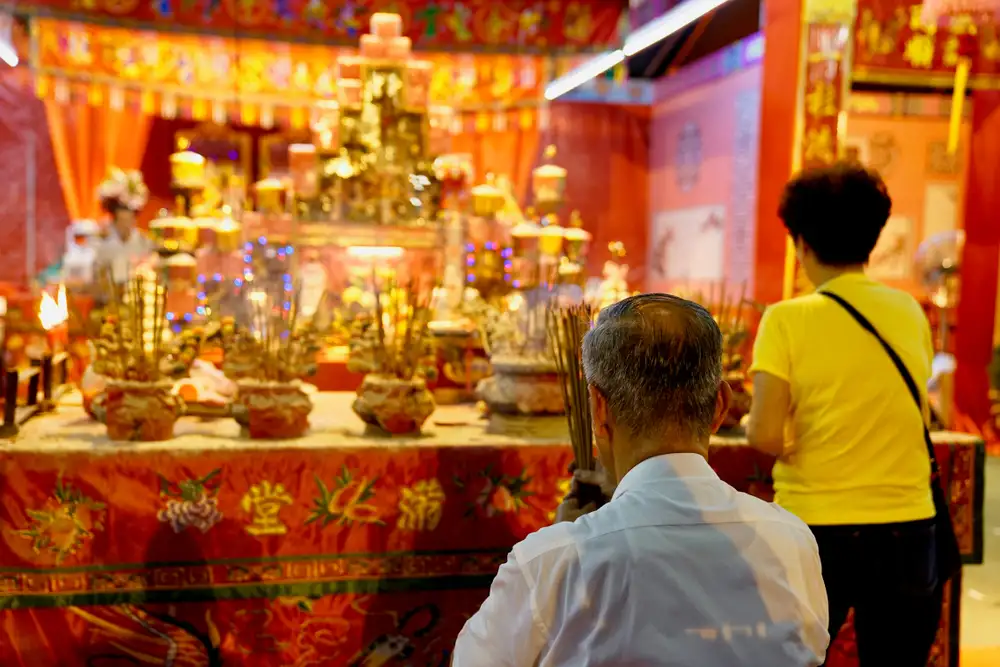
The Hungry Ghost Festival, also referred to as Ghost Month, traces its origins back to ancient Chinese beliefs rooted in Taoism and Buddhism. It is a time when the living pay respects to their ancestors and offer food, incense, and other items to appease wandering spirits.
This tradition has been observed in Singapore since the era of British colonial rule and has since become an integral part of the local cultural calendar. The festival is not only a time for remembrance but also for community activities, including prayers, rituals, and performances.
Understanding the key dates is essential for proper observance:
During Ghost Month 2026, various rituals and offerings are performed to honour ancestors and appease wandering spirits. These include:
To avoid misfortune, many Singaporeans observe a set of traditional dos and don’ts during this period.
Ghost Month 2026 also has practical implications for daily life and business in Singapore. Many people avoid scheduling major events such as weddings, moving house, or starting new ventures during this time.
Some businesses may experience slower activity, especially in sectors like real estate and construction, where major decisions are often postponed. Conversely, businesses related to funeral services, offering shops, and Getai performances may see increased demand.
While rooted in tradition, Ghost Month 2026 in Singapore also reflects modern adaptations. Getai shows, for example, have become a popular cultural event, drawing crowds of both locals and tourists.
Community participation remains strong, with many neighbourhoods coming together to organise prayers, performances, and offerings. This collective observance fosters a sense of unity and cultural continuity.
For visitors and residents alike, being aware of Ghost Month 2026 can help in planning activities and events. Key considerations include:
Ghost Month 2026 is more than just a time of superstition; it is a period of reflection, remembrance, and community. It offers a unique opportunity to understand the rich tapestry of Chinese cultural traditions in Singapore and the importance of honouring ancestors and spirits.
As Singapore continues to modernise, the observance of Ghost Month 2026 remains a testament to the enduring cultural heritage of its people. Whether through traditional rituals or modern celebrations, the spirit of the festival continues to thrive.
Ghost Month 2026 in Singapore is a culturally rich and spiritually significant period that invites both reflection and community participation. By understanding the dates, traditions, and customs associated with this festival, residents and visitors alike can appreciate the depth of this unique cultural observance.
As the gates of the underworld open on 13 August 2026 and close on 11 September 2026, Singaporeans will once again come together to honour their ancestors, appease wandering spirits, and celebrate the enduring traditions of the Hungry Ghost Festival.