Explore Singapore in 2026: Getting Around, Top Activities & Attractions
Photo Credits: Explore Singapore
Singapore, one of Asia’s most dynamic city-states, offers something far beyond its gleaming skyscrapers and bustling shopping malls. Whether you’re planning your first visit or returning to uncover new corners, there’s an abundance of ways to explore Singapore that cater to every interest and budget. This guide takes you through the island’s most compelling attractions, authentic cultural experiences, and the activities shaping travel in 2026.
What Is The Best Way To Explore Singapore?
The most efficient way to explore Singapore is through its world-class public transport system, the SMRT. The Mass Rapid Transit (MRT) network is both affordable and swift, making it possible to reach major attractions within minutes. Most journeys across the island take no longer than 45 minutes, and the system operates with remarkable reliability and cleanliness. For visitors arriving at Changi Airport, the MRT provides direct connectivity to the city centre, eliminating the need for expensive taxis or ride-hailing services.
Beyond transport logistics, the key to exploring Singapore effectively lies in understanding the island’s geography. The compact nature of Singapore—roughly 730 square kilometres—means you can pack substantial variety into even short visits. Many first-time visitors underestimate how much can be accomplished in three to five days. Gardens by the Bay, Marina Bay Sands, and the Merlion Park form a tight cluster accessible by short MRT rides or pleasant walks along the waterfront.
Comfortable footwear is essential, as meaningful exploration of Singapore involves considerable walking. Whether navigating the streets of Chinatown’s narrow lanes, strolling through the Singapore Botanic Gardens’ 101 hectares, or trekking the Southern Ridges’ 10-kilometre elevated walkway, dedicated walking shoes prevent fatigue and allow for a more immersive experience. The tropical climate—hot and humid year-round—demands practical clothing, sunscreen, and an umbrella for sudden downpours.
Strategic timing enhances the experience significantly. Iconic landmarks draw enormous crowds during midday hours. The Merlion, for instance, transforms into a serene, photogenic location at sunrise or during early evening when both light and crowds are more manageable. The Gardens by the Bay’s spectacular Garden Rhapsody light show, which repeats at 7:45 PM and 8:45 PM daily, offers free entertainment that rivals paid attractions. Booking tickets to popular attractions in advance—such as Gardens by the Bay’s Cloud Forest or Flower Dome—eliminates frustrating queues.
How To Explore Singapore Beyond Tourist Hotspots
The authentic Singapore exists in neighbourhoods where locals actually live, work, and dine. Whilst Orchard Road and Marina Bay Sands dominate tourist itineraries, the island’s true character emerges in cultural districts and heritage neighbourhoods.
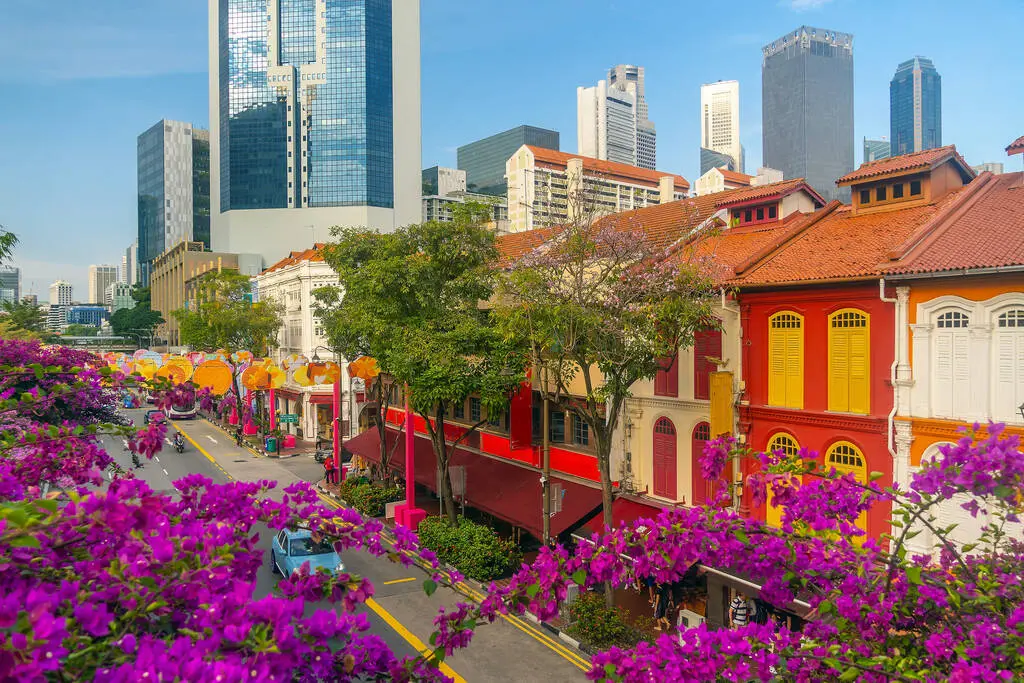
Chinatown represents this duality perfectly. Whilst portions cater to tourist expectations with generic Asian souvenirs, the real Chinatown pulses with daily life. The Buddha Tooth Relic Temple, completed in 2007 using traditional methods, houses genuine Buddhist relics and hosts morning and evening prayer ceremonies. Observing these rituals alongside elderly locals offers a glimpse of living spirituality, not performed culture. The temple’s side streets reveal traditional medicine shops where herbalists still prepare custom remedies, coffee shops where men have played chess for decades, and wet markets conducting business through transcultural gesture language.
Little India assaults the senses in the finest way. Stepping off the MRT station, visitors are engulfed in Tamil music, incense, and the visual splendour of bright saris and intricate kolam designs. Unlike many ethnic enclaves globally, Little India remains a thriving community rather than a museum. The restaurants serve Indian families, not primarily tourists. The Sri Veeramakaliamman Temple anchors the district spiritually, and during festival seasons, celebrations spill authentically into the streets.
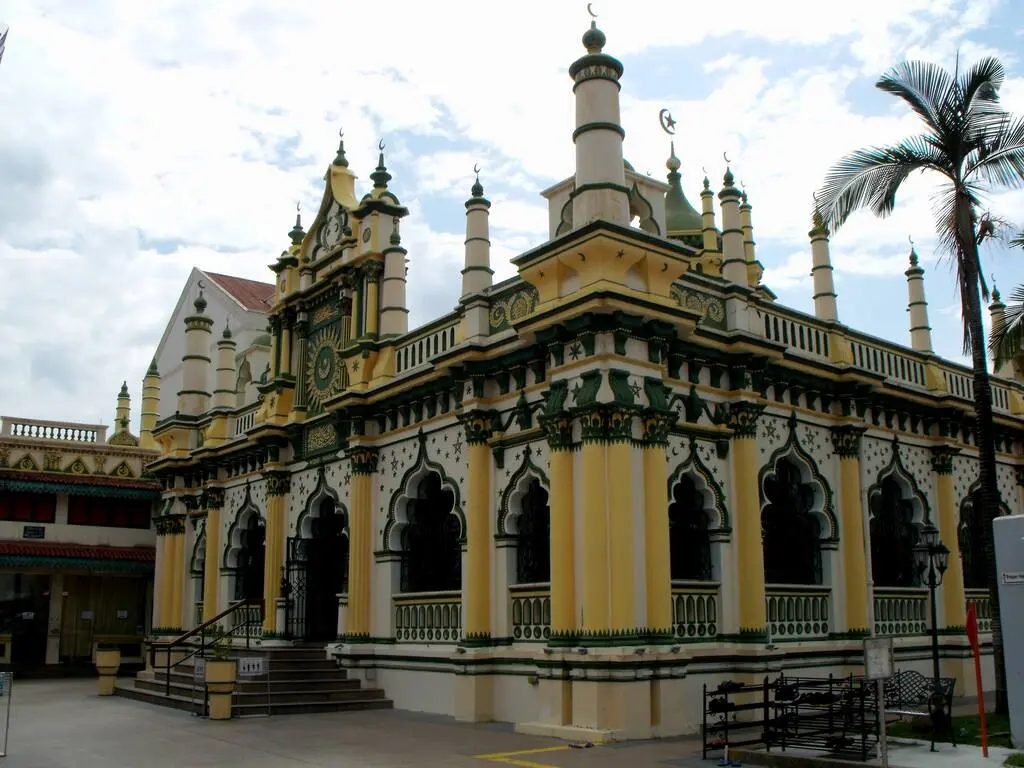
Kampong Glam, centred around Arab Street and the Sultan Mosque, offers a different cultural immersion. Street art, handmade goods, and vintage finds at craft markets provide shopping beyond commercial chains. The neighbourhood’s architecture—with its centuries-old shophouses—tells Singapore’s multicultural story through built environment. Walking these streets reveals a fluid cultural landscape where boundaries between communities feel permeable rather than rigid.
For those seeking residential authenticity, neighbourhoods like Joo Chiat showcase Peranakan heritage through distinctive shophouses painted in pastel hues. Tiong Bahru, an older neighbourhood with heritage flats dating to Singapore’s early independence, offers hawker centres where locals gather daily. These aren’t curated experiences; they’re genuine community spaces where you participate in Singapore’s daily rhythms rather than observe them from a tourist’s distance.
The Southern Islands—St John’s Island, Lazarus Island, and Kusu Island—remain largely untouched by mainstream tourism. A ferry from Marina South Pier provides direct access, and these islands reward visitors with pristine beaches, minimal crowds on weekdays, and a glimpse of Singapore’s natural landscape before rapid urbanisation. Pack your own provisions, bring sun protection, and embrace the peaceful pace.
Best Activities In Singapore For First-Time Travellers
First-time visitors should prioritise a balanced itinerary combining iconic landmarks with cultural depth. The Gardens by the Bay merits substantial time. The 101-hectare nature park’s three waterfront gardens—Bay South, Bay East, and Bay Central—offer free access to vast sections, with the Supertree Grove serving as its architectural centrepiece. The structures light up nightly at 7:45 PM and 8:45 PM with the Garden Rhapsody light show. Those seeking additional experiences can purchase tickets for the Cloud Forest, Flower Dome, and Floral Fantasy attractions.
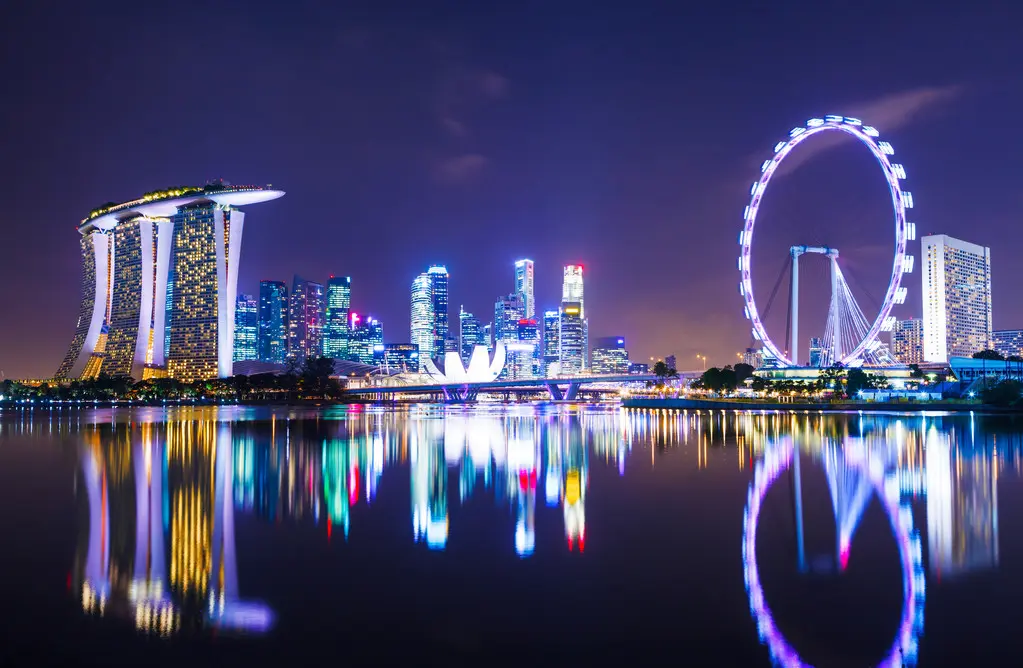
Marina Bay Sands and its SkyPark Observation Deck provide Singapore’s most comprehensive skyline views from 200 metres elevation. The 360-degree perspective captures the island’s dramatic transformation from colonial heritage to futuristic architecture. Those not booking accommodation at Marina Bay Sands can visit the Skypark without staying there, though ticket costs merit consideration.
The Merlion Park—Singapore’s iconic mascot, half-lion and half-fish—remains a must-visit despite its popularity. Positioned at the convergence of the Marina Bay waterfront and historic Singapore River, the 28-foot statue offers a tangible connection to Singaporean identity. Arriving before 9 AM or after 5 PM significantly reduces crowds and improves photographic conditions.
The Singapore Botanic Gardens, now a UNESCO World Heritage Site, provide botanical beauty with accessibility rarely found in major city parks. Entry is free, and visitors can spend entire afternoons wandering themed gardens, including the National Orchid Garden, which houses over 1,000 species. The lake and nearby walking trails offer peaceful respite from urban intensity.
For cultural immersion, the Asian Civilisations Museum offers a rigorous scholarship that extends beyond basic identification. Collections showcase Southeast Asian textiles, ceramics, and metalwork, revealing Singapore’s historical connections to regional trade networks. The museum’s approach—contextualising cultural significance rather than merely displaying artefacts—elevates understanding beyond typical tourist attraction standards.
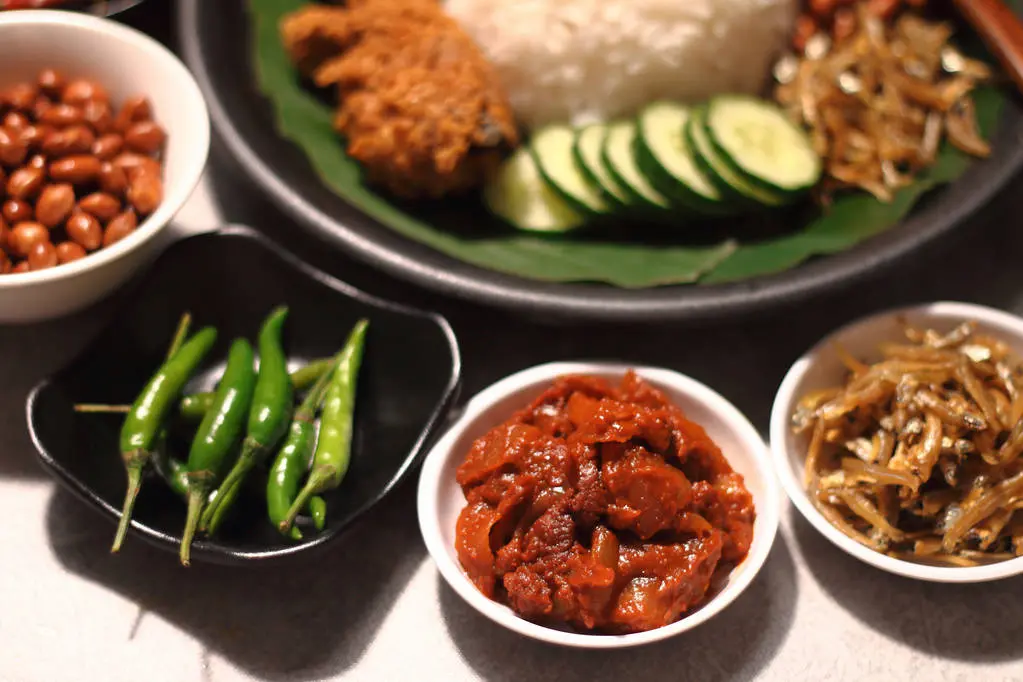
Hawker centres warrant dedicated time, not rushed meals. These food courts embody Singaporean culture through both cuisine and social practice. Traditions like reserving tables with tissue packets, sharing space with strangers, and the unspoken understanding that everyone deserves access to quality food regardless of economic status, represent profound cultural values. Local delicacies tell Singapore’s immigration story through flavour: Hainanese chicken rice adapts Chinese comfort food to tropical tastes; laksa combines Chinese noodles with Malay spices and coconut milk; murtabak brings Indian flatbread techniques to Southeast Asian ingredients.
First-time travellers should allocate at least one day to outdoor nature activities. The Southern Ridges comprises 10 kilometres of five connected parks linked by elevated walkways and scenic trails. Mount Faber, the Henderson Waves bridge, and connecting nature reserves provide hiking without requiring extensive technical skill. The MacRitchie Nature Trail offers a different jungle experience, with the Treetop Walk providing canopy-level perspectives of forest ecosystems. East Coast Park provides beach access, cycling pathways, and the East Coast Lagoon Food Village for casual dining with sea views.
Singapore Travel Trends Shaping Activities In 2026
Travel patterns in 2026 reflect shifting priorities beyond traditional sightseeing. Personalised travel centred on human connection has supplanted collective tourism. Data indicates 65 per cent of Singapore travellers have travelled or considered travelling specifically to meet new people, with younger generations (66 per cent of Gen Z and 70 per cent of millennials) particularly drawn to connection-focused travel.
Intergenerational family travel is increasingly prominent, with almost four in ten Singapore travellers planning multigenerational holidays. This represents a conscious choice to reconnect with family members, with 43 per cent noting that travelling together provides rare opportunities for genuine connection across generations.
Culinary tourism has experienced remarkable growth. Food-related bookings surged 43 per cent year-on-year, making Singapore one of the world’s top four source markets for food-focussed travellers. Rather than dining at tourist-oriented establishments, travellers seek authentic local experiences—hawker centres, market-to-table restaurants, and neighbourhood food stories.
Book-inspired travel has captured the imagination of younger demographics, with 71 per cent of Gen Z and millennials booking trips inspired by literary content. Singapore’s multicultural narrative, captured in various travel memoirs and fiction, attracts readers seeking to experience the locations they’ve read about.
Value consciousness persists, with 71 per cent of Singapore travellers citing flight costs as decisive in destination selection. However, cost-cutting doesn’t mean sacrificing experience quality; rather, travellers employ sophisticated strategies, including price comparison apps, automatic price alerts, and flexible travel planning to maximise value.
The trend toward authentic neighbourhood immersion reflects destination fatigue. Rather than repeating standard tourist circuits, travellers increasingly seek authentic local neighbourhoods, cultural districts with genuine communities, and experiences that feel unmistakably personal. This shift benefits visitors to Singapore, as it encourages discovery of the island’s most interesting cultural enclaves and heritage neighbourhoods—the very places where Singapore’s distinctive character resides.





Vietnam Airlines Steps Up Market Promotion Efforts in Europe

VinFast and the Rise of a New Gulf Lifestyle

Regal Partners Completes Share Placement to Support Business Expansion in Southeast Asia

Sentosa Beach Fest 2026: Fitness & Fun Await

Celebrate International Women’s Month in Singapore
Quiet Ways To Explore Singapore Like A Local

Free Things to Do in Singapore This Weekend March 6-9

Vietnam Airlines Steps Up Market Promotion Efforts in Europe

VinFast and the Rise of a New Gulf Lifestyle

Regal Partners Completes Share Placement to Support Business Expansion in Southeast Asia