




Hari Raya Haji in Singapore: Traditions and Celebrations

C

Image Credit: Visit Singapore

Hari Raya Haji stands as one of Singapore’s most cherished public holidays, uniting the Muslim community in faith and festivity. This occasion, also known as Eid al-Adha, brings families together to honour sacrifice and generosity.

Origins and Religious Meaning

Hari Raya Haji commemorates Prophet Ibrahim’s profound devotion when he prepared to sacrifice his son in obedience to God’s command. Divine intervention replaced the offering with a sheep, symbolising faith, submission, and mercy.

The festival occurs on the 10th day of Zulhijjah, the final month of the Islamic lunar calendar, roughly 70 days after Hari Raya Puasa. It coincides with the culmination of the Hajj pilgrimage to Mecca, a pillar of Islam that draws millions of faithful.

In Singapore, the Mufti announces the exact date based on moon sightings or calculations, ensuring nationwide alignment. This lunar timing means Hari Raya Haji shifts annually by about 10-11 days on the Gregorian calendar.

Date and Public Holiday Status

Singapore observes Hari Raya Haji as a gazetted public holiday, granting everyone a day off work or school. For 2026, preliminary indications point to 27 May, though confirmation comes closer to the time from religious authorities.

Schools close, offices shut, and public transport runs adjusted schedules to accommodate gatherings. Many extend celebrations over the weekend, turning it into a long break for travel or family visits.

The holiday underscores Singapore’s multicultural harmony, where non-Muslims often join festivities, reflecting the nation’s respect for diverse faiths.

Core Rituals and Observances

Celebrations commence at dawn with special Eid prayers in mosques across the island. Congregants don their finest attire—songket fabrics and baju kurung for women, baju melayu for men—gathering in unity.

The korban ritual follows, where eligible Muslims sacrifice livestock like goats, sheep, or cows at designated centres. The meat divides into thirds: one for the family, one for relatives and friends, and one for the needy, embodying charity.

Takbir recitations echo throughout the day, praising God, while sermons emphasise compassion and community support. These acts reinforce spiritual renewal post-Hajj.

Family Gatherings and Open Houses

Hari Raya Haji revolves around family reunions, with homes buzzing as relatives visit from near and far. Hosts prepare lavish spreads, inviting guests with warm greetings of “Selamat Hari Raya Haji”.

Open houses welcome neighbours, creating inclusive vibes in housing estates. Children receive duit raya—small monetary gifts—in green packets, sparking joy and teaching generosity.

New outfits symbolise fresh starts, with vibrant colours adorning streets. This bonding strengthens ties in Singapore’s fast-paced society.

Culinary Delights on the Table

Food takes centre stage, blending rich flavours that tantalise palates. Beef rendang, slow-cooked in coconut milk and spices, headlines menus alongside ketupat—diamond-shaped rice dumplings steamed in coconut leaves.

Satay skewers grilled over charcoal, murtabak stuffed with spiced mince, and biryani rice infuse aromas island-wide. Sweet kueh like onde-onde and agar-agar provide sugary balance.

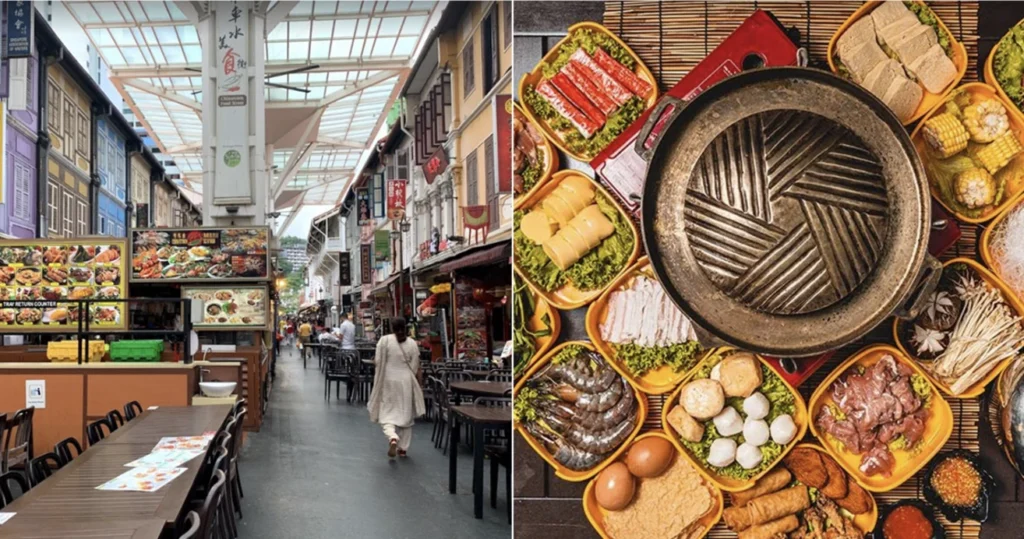
Desserts extend to lemang, glutinous rice in bamboo, and traditional kuih. Hawker centres in Kampong Gelam overflow, drawing diverse crowds to savour the feast.

Vibrant Celebrations in Key Areas

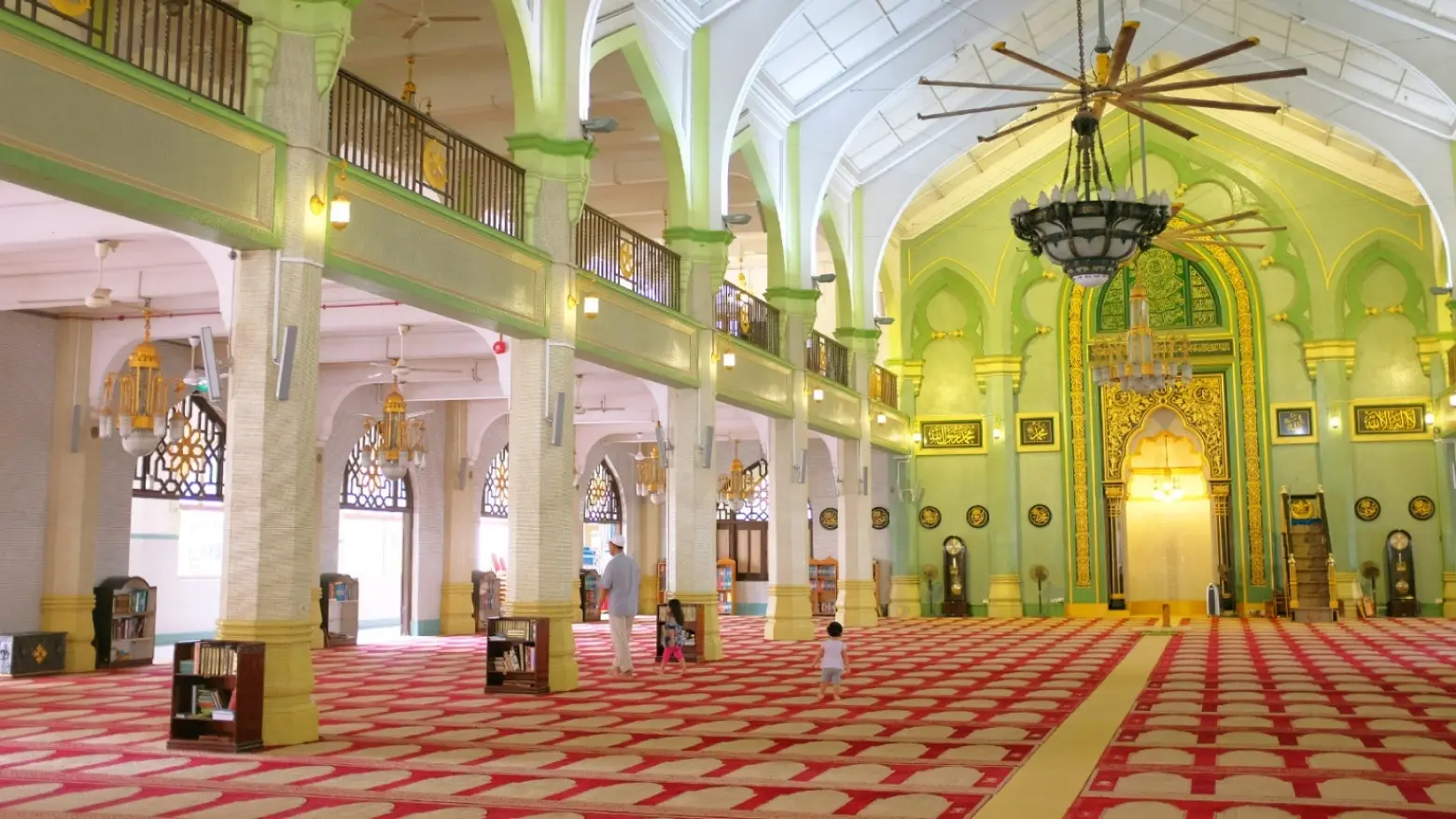
Kampong Gelam transforms into the epicentre, with Sultan Mosque’s golden dome gleaming amid decorations. Haji Lane’s murals and Bussorah Street’s lights create a festive backdrop for photos.

Bugis Street markets bustle with shoppers hunting baju raya, accessories, and treats. Geylang Serai joins with bazaars offering korban meat sales and cultural shows.

Mosques host community iftars or prayers, open to respectful observers. Fireworks occasionally light night skies, capping joyous days.

Community and Charitable Focus

Beyond revelry, Hari Raya Haji spotlights giving back. Korban meat distribution aids lower-income families, while mosques collect donations for global causes like Palestine.

Singapore’s Muslim organisations coordinate drives, ensuring equitable shares. This spirit aligns with the nation’s values of kindness and unity.

Non-Muslims participate respectfully, perhaps by trying dishes or sending greetings, fostering cross-cultural understanding.

Places to Immerse in the Festivities

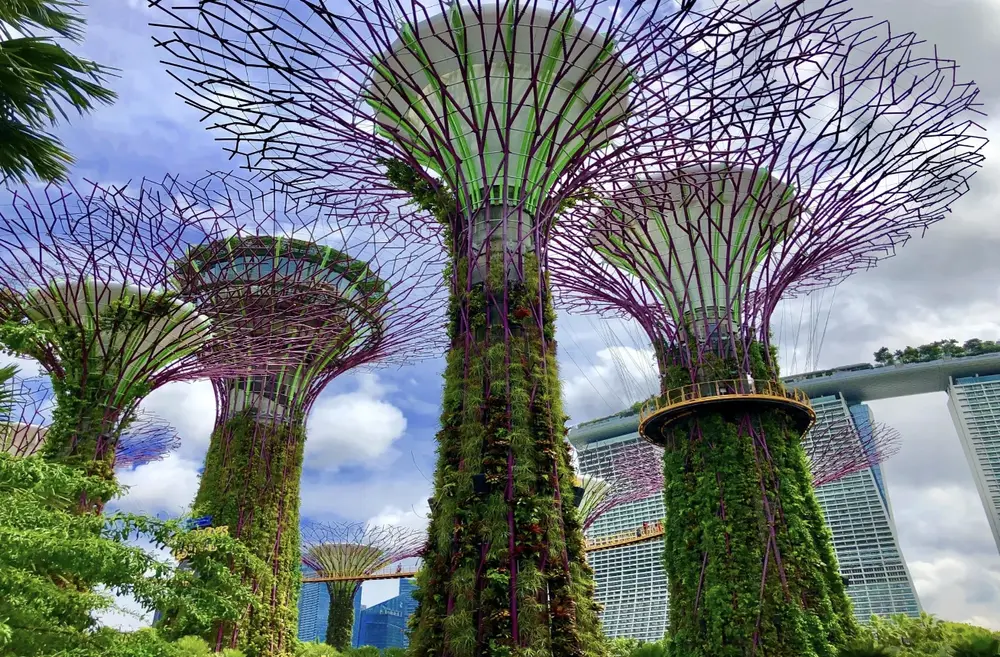
Visit Sultan Mosque for prayer vibes, or Darul Ghufran in Tampines for suburban celebrations. Gardens by the Bay sometimes features themed displays.

Goat farms like Hay Dairies offer insights into korban animals, educating families ethically. River cruises pass festooned banks, blending sightseeing with culture.

Shopping at Mustafa Centre in Little India yields festive bargains, open late for revellers.

Modern Twists and Family Fun

Contemporary touches include social media shares of outfits and feasts, with influencers spotlighting traditions. Families picnic at East Coast Park, merging old customs with leisure.

Parents introduce kids to heritage via museum exhibits at Malay Heritage Centre. Hop-on buses like FunVee loop hotspots, easing navigation.

Eco-friendly korban options emerge, with halal-certified farms prioritising welfare.

Lasting Impact on Singapore Society

Hari Raya Haji reinforces Singapore’s social fabric, promoting tolerance amid diversity. Public service announcements encourage road safety and waste reduction during peaks.

It inspires reflection on sacrifice in daily life, from career choices to community service. As a public holiday, it boosts local tourism, with hotels near ethnic enclaves filling up.

The festival’s essence—faith, family, food—resonates universally, making Hari Raya Haji in Singapore a beacon of shared joy.

C
Content Team
4,680 young Chinese volunteers called "Little Deer" ready for Asian Beach Games
18 April 2026
Save
4,680 young Chinese volunteers called "Little Deer" ready for Asian Beach Games
C
Content Team
SERES’ Clifford Kang Highlights AI-Enabled Smart Mobility at the 2026 World Internet Conference Asia-Pacific Summit
18 April 2026
Save
SERES’ Clifford Kang Highlights AI-Enabled Smart Mobility at the 2026 World Internet Conference Asia-Pacific Summit
C
Content Team
Taicang Day in Munich: Celebrating 18 Years of Sino-German Industrial Innovation
18 April 2026
Save
Taicang Day in Munich: Celebrating 18 Years of Sino-German Industrial Innovation