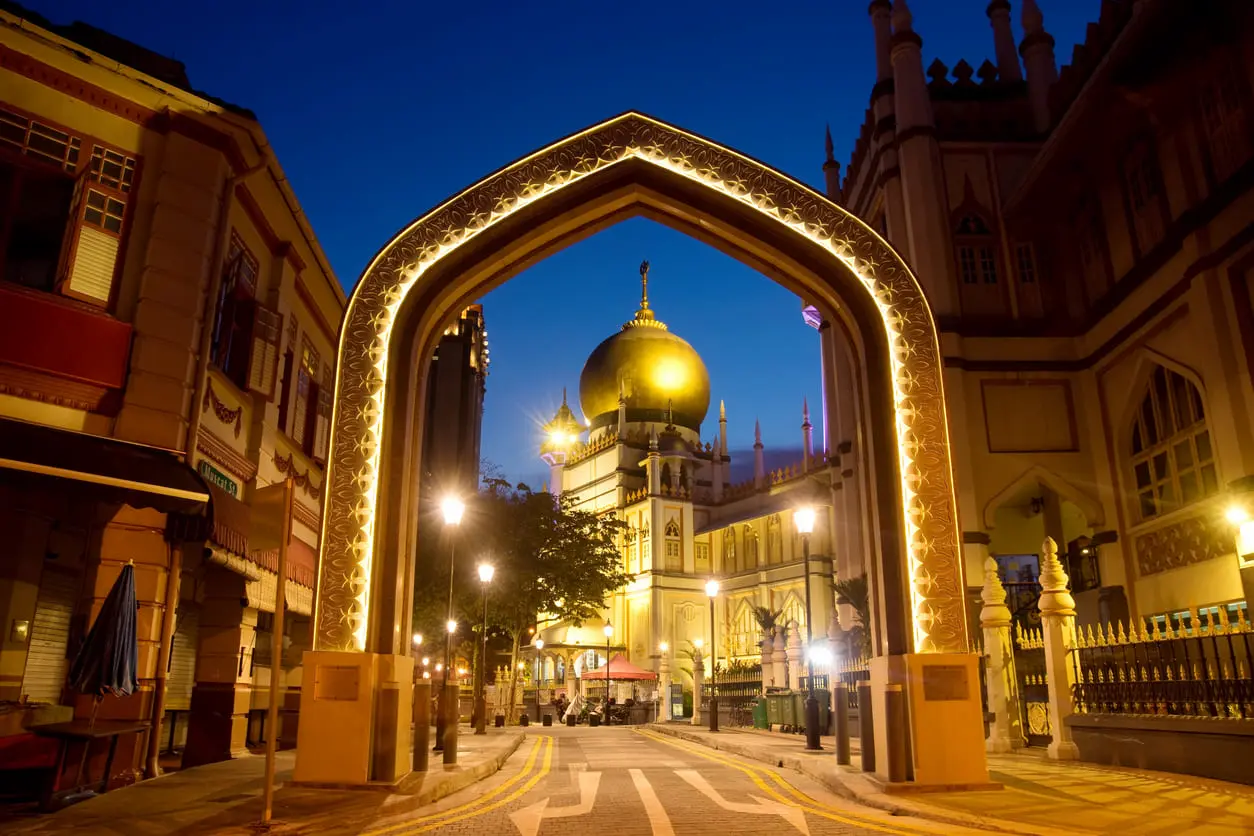
Photo Credits: iStock
Ramadan 2026 marks the ninth month of the Islamic lunar calendar, a time for Muslims in Singapore to fast from dawn until dusk while focusing on prayer, charity and self-reflection. The Mufti of Singapore has confirmed that fasting begins on Thursday, 19 February, following astronomical calculations showing the crescent moon was not visible on 17 February. This period, lasting about 30 days until around 20 March, transforms daily life with communal meals, night prayers and festive markets.
Key Dates and Daily Rhythm
Fasting starts at suhoor, the pre-dawn meal eaten before Fajr prayer, typically around 5am in early Ramadan, shifting later as days progress. Iftar, breaking the fast at sunset after Maghrib prayer, occurs around 7pm initially and moves earlier by month’s end. Healthy adult Muslims abstain from food, drink and other physical needs during daylight hours, exempting children, the elderly, pregnant women and the ill.
Work and school continue normally, with many employers offering prayer spaces or flexible hours. Evenings buzz with taraweeh prayers in mosques like Masjid Sultan, followed by family gatherings. Public etiquette encourages sensitivity, such as avoiding eating openly near fasters, promoting harmony in multicultural Singapore.
Significance of Fasting
Ramadan emphasises spiritual growth through fasting, which builds discipline, empathy and gratitude. It commemorates the Quran’s revelation to Prophet Muhammad, urging increased worship and zakat al-fitr charity before Eid al-Fitr. Families prioritise Quran recitation, extra prayers and community service, strengthening bonds amid urban routines.
Top Iftar Dining Options
Iftar calls for hearty halal-certified meals, from buffets to casual spots. Holiday Inn Singapore Atrium’s Atrium Restaurant offers a lavish buffet from 19 February to 22 March, featuring roasted baby lamb, beef kofta, chilli crab and fresh seafood, priced from S$98++ for lunch and S$121++ for dinner, with 1-for-1 deals.
Power Thai BBQ in Kembangan serves mookata with seafood, meats and satay until 11pm daily. Padi@Bussorah on Bussorah Street delivers homemade Malay nasi ambeng (S$18.50 per person) and siput sedut. The Malayan Council across multiple outlets runs 1-for-1 dinner buffets at S$86 for adults from 5pm.
Royal Palm OCC provides rotating buffets at S$94.90 weekdays, with prayer rooms available. Pagi Sore’s Indonesian set meals from S$110 include ayam Bali and ikan ota kukus. Siam Kitchen offers Thai green curry and build-your-own ambeng for groups. Balinese fare at 21 on Rajah features bebek betutu in a 1-for-1 lunch buffet until 5 April.
For casual bites, Wooly’s Bagel and Marlow’s Deli offer takeaway sandwiches from S$12.90 on bagels or focaccia. The Buffet Club’s international spread starts at S$59 lunch for two. Jing Hotpot’s individual pots with free-flow ingredients range S$36.90 per adult. Nanay’s Kitchen fuses Malay-Filipino dishes like sizzling sisig. IKEA Tampines hosts limited Buffet Istimewa nights at S$26.90 for members. Waroeng Anak Indo evokes 1960s Indonesia with nasi goreng.
Ramadan Bazaars and Markets
Bazaars light up neighbourhoods, especially Geylang Serai and Kampong Gelam, with stalls selling apparel, kuih, savoury snacks and decorations until late. Geylang Serai expects crowds for mee rebus, ayam penyet and teh tarik, operating nightly. Kampong Gelam may host mass iftars, blending shopping with community spirit.
These markets extend into midnight, offering a festive escape with lights, music and multicultural vibes. Shop for Hari Raya outfits like baju kurung and bake kuih raya in the final week.
Spiritual and Community Events
Taraweeh prayers fill mosques nightly, with larger crowds at Masjid Al-Falah and Masjid Al-Iman. The last ten nights seek Laylat al-Qadr through qiyam prayers. Mosques organise open iftars, meal distributions for workers and youth forums.
Charity peaks with zakat via MUIS portals. Families decorate homes with lights and create countdowns for children, blending faith with fun.
Preparing Suhoor and Iftar Meals
Suhoor sustains with high-fibre foods like brown rice, wholemeal bread, nasi lemak or porridge. Hydrate well and include fruits for energy. Iftar starts traditionally with dates and water for quick sugar absorption, followed by soups, rice dishes and proteins.
Home cooks prepare generational recipes: rendang, sambal squid or tumis kangkong. Delivery peaks around 6-7pm, so order early and tip riders generously.
Etiquette for Non-Fasters
Respect fasting by eating discreetly in public. Dress modestly at mosques. Support events with understanding during crowded evenings. Businesses adjust with halal promotions and prayer facilities.
Eid al-Fitr Celebrations
Ramadan culminates in Eid al-Fitr around 20 March, pending moon sighting. Families forgive one another, feast on ketupat and rendang, and visit relatives in new attire. Mosques hold special prayers, marking victory over self-indulgence.
Tips for a Meaningful Ramadan 2026
Plan iftar reservations early due to demand. Use apps like Muslim.SG for prayer times. Balance fasting with rest amid Singapore’s heat. Embrace generosity through donations and sharing meals. This Ramadan 2026 offers chances to deepen faith while enjoying the city’s halal scene.





Free Fireworks this March 2026 Light Up Marina Bay

Budget sets out strategies to propel Hong Kong’s innovation and technology development

Galaxy Macau Presents: The Jimmy O. Yang Chinese New Year Show with Two Star-Studded Galaxy Arena Performances

Free Fireworks this March 2026 Light Up Marina Bay
Ramadan 2026: Iftar Spots & Bazaar Guide Singapore

Singapore Tech Trends Shaping How We Live, Work and Play

SEVENTEEN Pop-Up Store in Singapore: Dates, Merch And Tips For CARATs
Free Fireworks this March 2026 Light Up Marina Bay

Budget sets out strategies to propel Hong Kong’s innovation and technology development

Galaxy Macau Presents: The Jimmy O. Yang Chinese New Year Show with Two Star-Studded Galaxy Arena Performances