Photo Credits: https://cassette.sphdigital.com.sg
The Singapore Oceanarium grand reopening marks a revolutionary transformation in marine education and conservation. After a three-month renovation, the former S.E.A. Aquarium has emerged as a world-class ocean institute, officially opening its doors to the public on 24 July 2025. This spectacular venue at Resorts World Sentosa is now three times larger than its predecessor, offering visitors an unprecedented journey through 22 immersive zones that span both time and oceanic depths.
Groundbreaking Features and Zones
The newly transformed attraction showcases over 40,000 marine animals across carefully designed habitats that tell the comprehensive story of ocean life. Visitors begin their journey at the Drop of Water zone, where magnified plankton dance beneath a suspended dome, before progressing through millions of years of marine evolution.
Ocean Wonders: A Mesmerising Sea Jelly Experience
The Ocean Wonders zone captivates guests with one of the world’s largest kreisel habitats. This 6.8-metre-diameter circular tank houses thousands of moon jellies, creating a hypnotic display as these ancient creatures—which have survived for over 500 million years—pulse and drift in ever-changing rhythms. The exhibit features various species including the distinctive fried egg sea jelly and graceful Pacific sea nettle.
Ancient Waters: Prehistoric Marine Giants
Ancient Waters transports visitors back millions of years with life-sized animatronic prehistoric marine creatures. The zone features towering replicas of extinct species such as the armour-jawed Dunkleosteus and razor-toothed Xiphactinus, alongside interactive fossil displays that allow guests to touch genuine ancient specimens.
Open Ocean: Asia’s Largest Marine Theatre
The centrepiece Open Ocean zone boasts a spectacular 36-metre-wide viewing panel, one of the largest in Asia, containing 18 million litres of water. This massive habitat showcases graceful manta rays, spotted eagle rays, zebra sharks, and countless other marine species in an environment that creates the breathtaking illusion of being submerged within the open sea.
Sustainability at the Forefront
The Singapore Oceanarium grand reopening places conservation and sustainability at its core. The facility houses Asia’s first Green Mark Platinum Zero Energy marine research centre, powered entirely by solar panels. This purpose-built Research and Learning Centre serves as a hub for marine biodiversity conservation, featuring collaborative learning labs, flexible workspaces, and seminar rooms.
The centre represents a significant commitment to environmental responsibility, incorporating lightweight concrete façades and aluminium shades to reduce heat gain whilst utilising natural light to minimise artificial lighting requirements. All energy needs are met through renewable solar power, supporting Resorts World Sentosa’s vision to achieve carbon neutrality by 2030.
Educational Programmes and Research Excellence
Beyond its role as a tourist attraction, the Singapore Oceanarium functions as a leading ocean institute accredited by the Association of Zoos and Aquariums. The facility maintains partnerships with prestigious institutions including a five-year applied research collaboration with the National University of Singapore and a two-year research programme with Nanyang Technological University’s Earth Observatory focusing on climate resilience and marine conservation.
The oceanarium offers comprehensive educational programmes including behind-the-scenes tours, conservation workshops, and animal spotlight experiences. During the opening celebrations from 24 July to 31 August 2025, visitors can participate in Research & Learning Week featuring expert-led talks and hands-on workshops delivered by institutional partners.
Unique Zones and Interactive Experiences
Singapore’s Coast: Local Marine Biodiversity
The Singapore’s Coast zone celebrates local marine life through mangrove-inspired landscapes and interactive habitats. Visitors encounter native species such as the Archerfish and Barred Mudskipper whilst learning about Singapore’s rich marine biodiversity through dynamic projection mapping and insights from local research partners.
Spirit of Exploration: Maritime Heritage
The Spirit of Exploration zone houses the Jewel of Muscat, a stunning full-scale replica of a 9th-century Omani dhow. This ancient sailing vessel stands as a testament to maritime exploration, complemented by the Pier Adventure—a suspended web structure allowing visitors to walk above the exhibit for unique perspectives.
Deep Sea Mysteries
The oceanarium’s deep-sea zones, including Whale Fall & Seamount and Trenches, showcase rarely seen environments. The whale fall exhibit demonstrates how a deceased whale’s remains create rich ecosystems that sustain deep-sea life for decades.
Dining and Retail Experiences
The Explorer’s Nook Café offers marine-themed pastries and lifestyle souvenirs inspired by oceanic voyages. The menu features whimsical sea-inspired treats including starfish croissant sandwiches, pandan-coconut croffles, and marine-animal cupcakes. The Singapore Oceanarium Store provides ocean-inspired apparel, books, and sustainable souvenirs created by environmentally conscious brands.
Visitor Information and Accessibility
The Singapore Oceanarium operates daily from 10am to 7pm, with select dates featuring adjusted hours. Tickets start from S$50 for adults and S$39 for children and senior citizens. Singapore residents enjoy discounted rates with adult tickets from S$42. The official mobile app enhances visits with AR/VR features, interactive content, and conservation pledge opportunities.
A Global Model for Marine Conservation
The Singapore Oceanarium grand reopening represents more than an attraction expansion—it establishes a new paradigm for marine education and conservation. By combining spectacular displays with serious scientific research, the facility serves as a catalyst for ocean stewardship whilst providing entertainment and education for visitors of all ages.
This transformation aligns with Singapore’s Tourism 2040 roadmap and reinforces the nation’s position as a leading destination for sustainable tourism. The oceanarium’s commitment to conservation, evidenced through its zero-energy research centre and endangered species preservation programmes, demonstrates how tourism attractions can contribute meaningfully to environmental protection whilst delivering extraordinary visitor experiences.
The Singapore Oceanarium grand reopening marks a significant milestone in marine conservation and education, offering a blueprint for how attractions worldwide can balance entertainment with environmental responsibility. As visitors journey through its 22 zones, they not only witness the ocean’s wonders but also gain inspiration to protect these precious marine ecosystems for future generations.





China Telecom Honored with Multiple GLOMO Awards, Gaining Wide Recognition for Its Tech Innovation Achievements
Huawei, Meralco, and SANXING Ningbo Launch Intelligent Distribution Solution and Lighthouse Initiative
Thailand Unveils Public–Private Alliance to Lead Asia’s Wellness Economy Revolution BDMS Wellness Clinic Rises as National Orchestrator of a Science-Powered, Luxury-Integrated Wellness Ecosystem
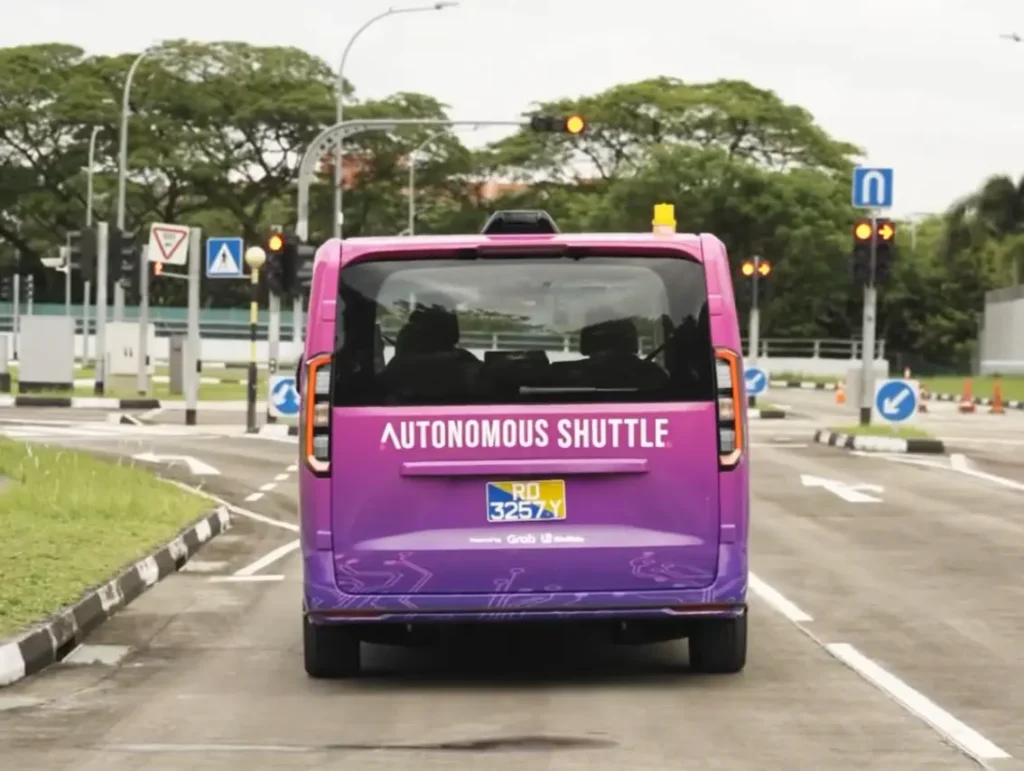
Punggol Autonomous Shuttle Trials Advance in 2026
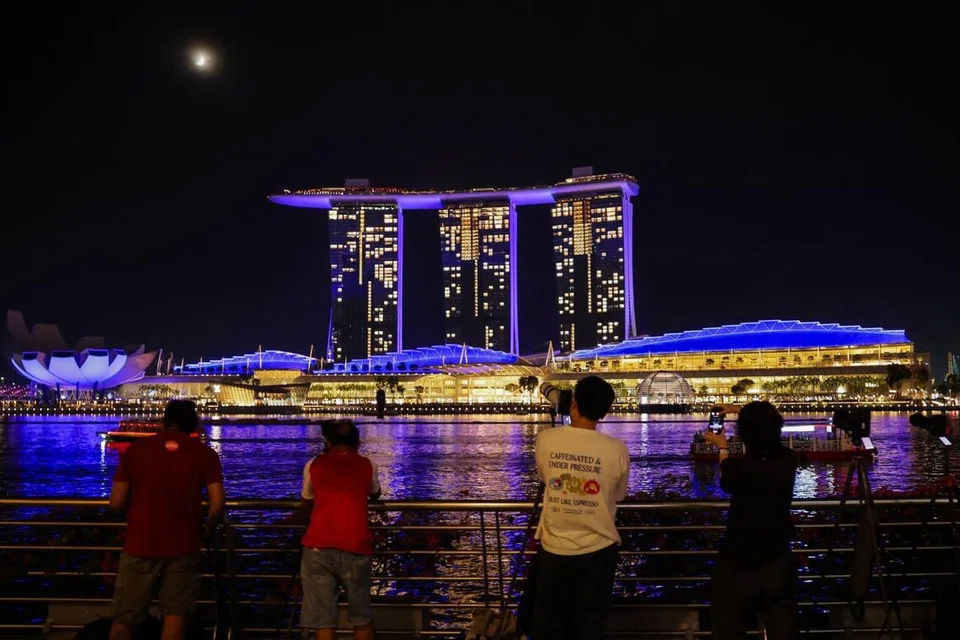
Missed Blood Moon 2026? Next One in Singapore After March 3

Why Gold Medalist Alysa Liu Is Suddenly Everywhere
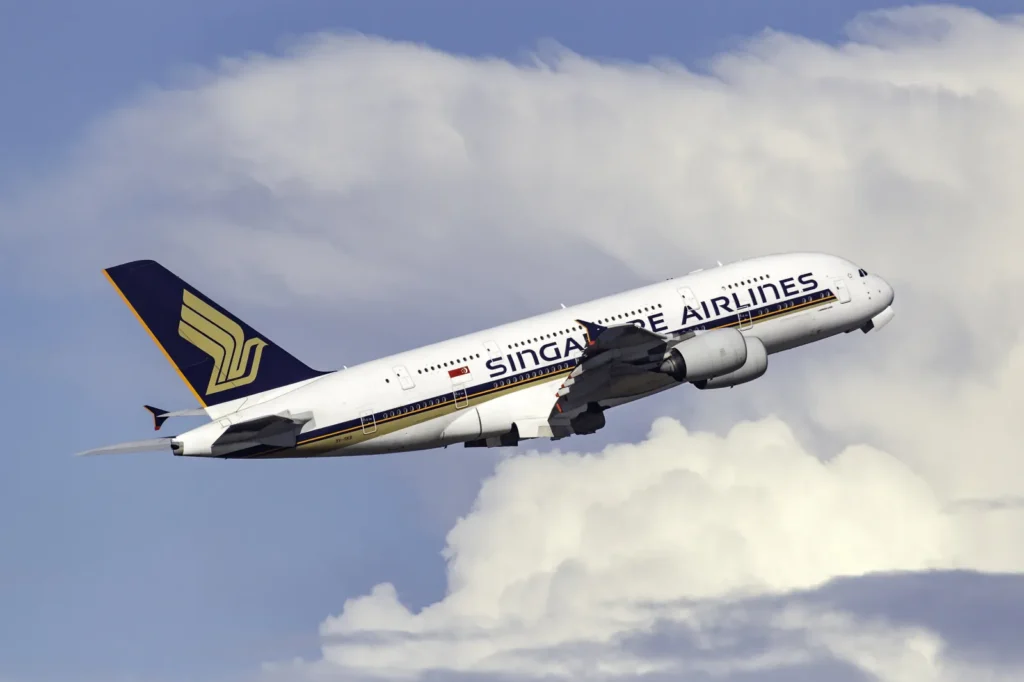
Singapore Latest Travel Advisory: Dubai Flights Halt

China Telecom Honored with Multiple GLOMO Awards, Gaining Wide Recognition for Its Tech Innovation Achievements
Huawei, Meralco, and SANXING Ningbo Launch Intelligent Distribution Solution and Lighthouse Initiative
Thailand Unveils Public–Private Alliance to Lead Asia’s Wellness Economy Revolution BDMS Wellness Clinic Rises as National Orchestrator of a Science-Powered, Luxury-Integrated Wellness Ecosystem