



Photo Credit: Tang Tea House/Facebook
For Muslim diners and halal‑conscious food lovers in Singapore, a new dining landmark has arrived: the first fully halal food hall in Singapore. Tucked inside Northpoint City in Yishun, this modern food‑hall concept is designed to offer a wide range of halal‑certified eats under one roof, making it a convenient and stress‑free option for families, office workers, and visitors alike.
Unlike mixed‑use food courts where only selected stalls carry the MUIS halal certification, this halal food hall in Singapore is built around a clear premise—every stall accredited within is fully halal, from the main dishes to the condiments and cooking methods. Shoppers and diners no longer need to cross‑check individual stalls or worry about commingling with non‑halal items; the space is designed to be a go‑to destination for strictly halal dining.
The biggest distinction of this new halal food hall in Singapore is its all‑inclusive halal model. It is not merely a “Muslim‑friendly” section or a cluster of a few halal stalls, but a fully integrated halal ecosystem where the entire operational environment—from kitchen practices to storage and preparation—is aligned with halal standards. This level of consistency is especially reassuring for Muslim families who travel with children, elderly relatives, or guests unfamiliar with Singapore’s dining landscape.
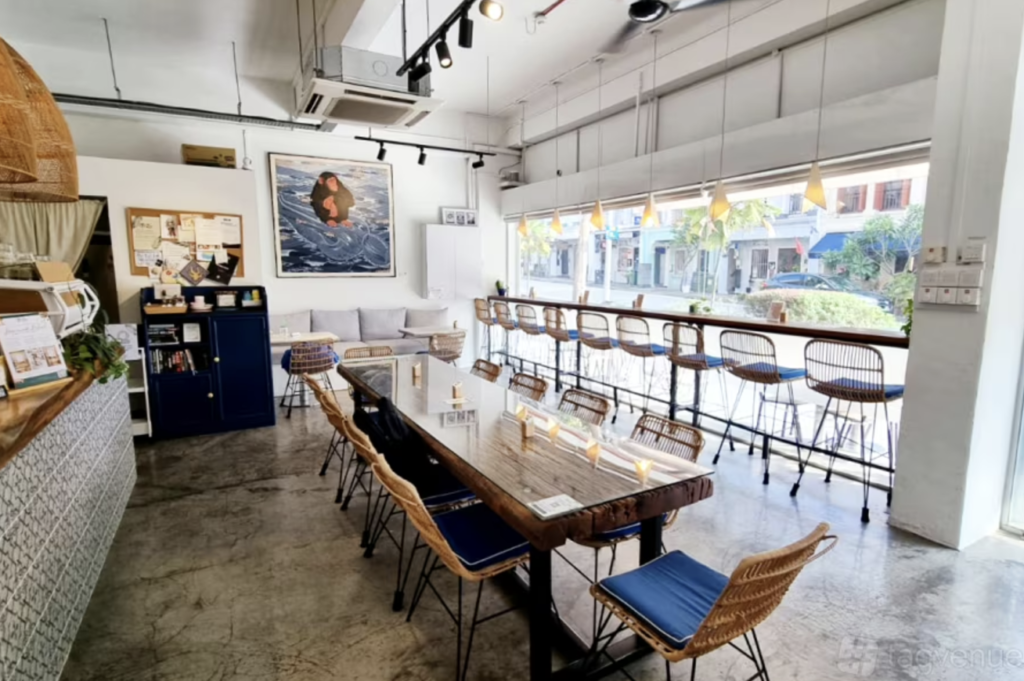
The venue also leans into contemporary food‑hall design: open kitchens, clean communal seating, and a visually curated layout that emphasises both comfort and accessibility. The lighting is bright and airy, while signage and stall branding are kept simple and intuitive, so visitors can easily identify which stalls are halal‑certified (even though in this case, they all are).
The halal food hall in Singapore is located in the South Wing of Northpoint City, easily accessible from Yishun MRT station and the Northpoint City bus interchange. Its position within a major regional mall means it benefits from heavy foot traffic, especially during lunch hours, weekend afternoons, and after‑school times. Families can shop, run errands, and then head upstairs for a sit‑down meal without needing to hop on another train or bus.
Inside, the food hall is arranged in a loop‑style plan, with each stall placed along a central aisle. This layout encourages diners to stroll past all options before deciding, which also supports smaller and newer brands that might otherwise be overlooked in larger, more congested hawker centres. Seating is communal but modular, with tables of varying sizes to accommodate everything from solo diners to larger groups.
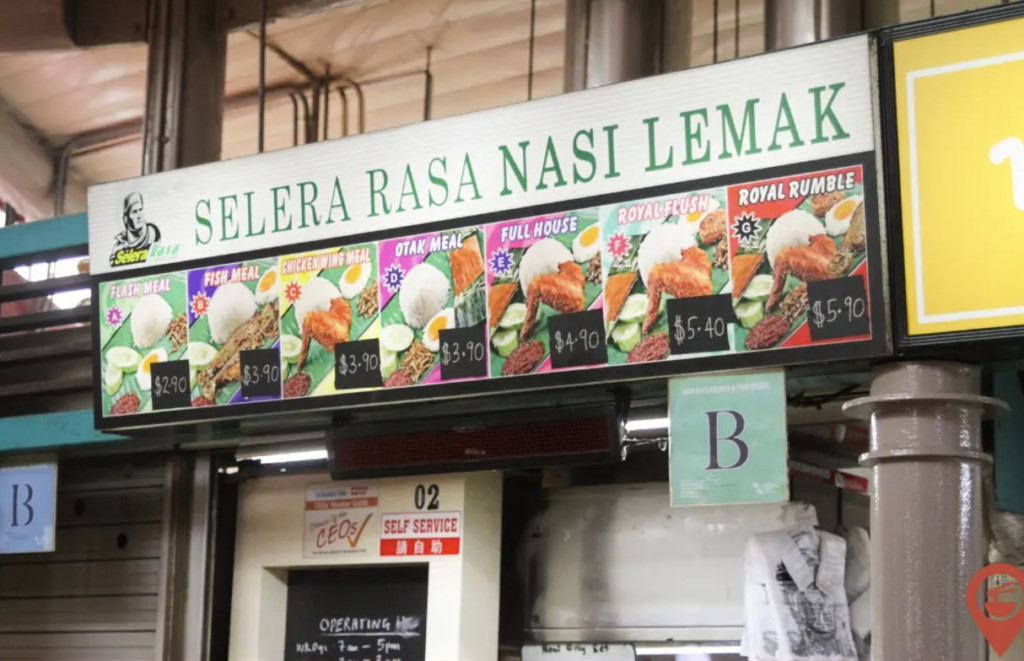
At the core of this halal food hall in Singapore are roughly a dozen halal‑certified stalls, each offering a distinct culinary angle. The mix leans heavily on Malay and local Singapore flavours, but also incorporates wider regional influences such as Indonesian‑style dishes, halal‑friendly Chinese‑inspired items, and modern comfort foods.
Some of the key draws include:
Even snacks and desserts are included in the halal framework. Visitors can expect items such as kuih‑based sweets, halal‑certified cakes, and drinks that abide by the same halal guidelines. Tea and coffee stalls also operate within the halal structure, ensuring that the beverage section is just as compliant as the main food counters.
For many Muslim families in Singapore, finding a one‑stop place where everyone can eat safely is still a challenge. Typical food courts often require parents to inspect each stall, explain to children why some stalls are off‑limits, or pre‑order separate meals for different family members. The halal food hall in Singapore removes many of these headaches by offering a straightforward “all are halal” environment.
The concept also appeals to visitors from neighbouring Muslim‑majority countries who may be unfamiliar with Singapore’s hybrid food‑court setup. For them, the presence of a fully halal food hall in Singapore provides a familiar, reassuring framework while still allowing them to sample local flavours. It bridges the gap between Singapore’s multicultural food culture and the need for clear religious compliance.
Operating hours for the halal food hall in Singapore are set to align with mall traffic, typically running from around 10:00 am until 10:00 pm, though individual stalls may vary slightly depending on vendor preferences. This makes it suitable for brunch, lunch, and even late‑night snacks, especially for residents in the North who may find the West and Central areas less convenient to reach.
Pricing remains broadly in line with conventional food courts and hawker‑style outlets. Visitors can expect affordable rice plates, mixed‑rice sets, and snacks starting from mid‑single‑digit prices, with more premium or fusion dishes priced slightly higher. This balance of accessibility and variety helps the halal food hall in Singapore position itself as a practical choice rather than a novelty destination meant only for special occasions.
The opening of this fully halal food hall in Singapore reflects a broader shift in how the country’s food scene caters to Muslim consumers. In recent years, there has been a noticeable rise in halal‑certified restaurants, branded chains, and even dedicated halal sections in larger malls and transport hubs. However, fully halal food halls that are purpose‑built around this concept are still relatively rare.
By concentrating multiple halal‑certified vendors under one management umbrella, this venue also helps streamline operations such as cleaning, waste management, and shared resources. This can indirectly raise hygiene and service standards, since vendors are encouraged to follow a common operational framework. It also provides a launchpad for smaller halal brands to gain visibility in a high‑traffic environment without the overhead of opening a standalone restaurant.
Several groups stand to gain from the arrival of Singapore’s first fully halal food hall:
Because it sits inside Northpoint City, the halal food hall in Singapore also overlaps with an existing ecosystem of retail, services, and transport links. This makes it a natural rest‑and‑refuel stop for people attending appointments, shopping for groceries, or changing trains after a long day out.
By combining a clear halal promise with a modern, accessible layout, this new food‑hall concept helps push Singapore’s halal‑dining landscape beyond scattered stalls and into curated, purpose‑built spaces. For anyone looking to experience a fresh chapter in Singapore’s food story, the first fully halal food hall in Singapore is now a place well worth visiting.