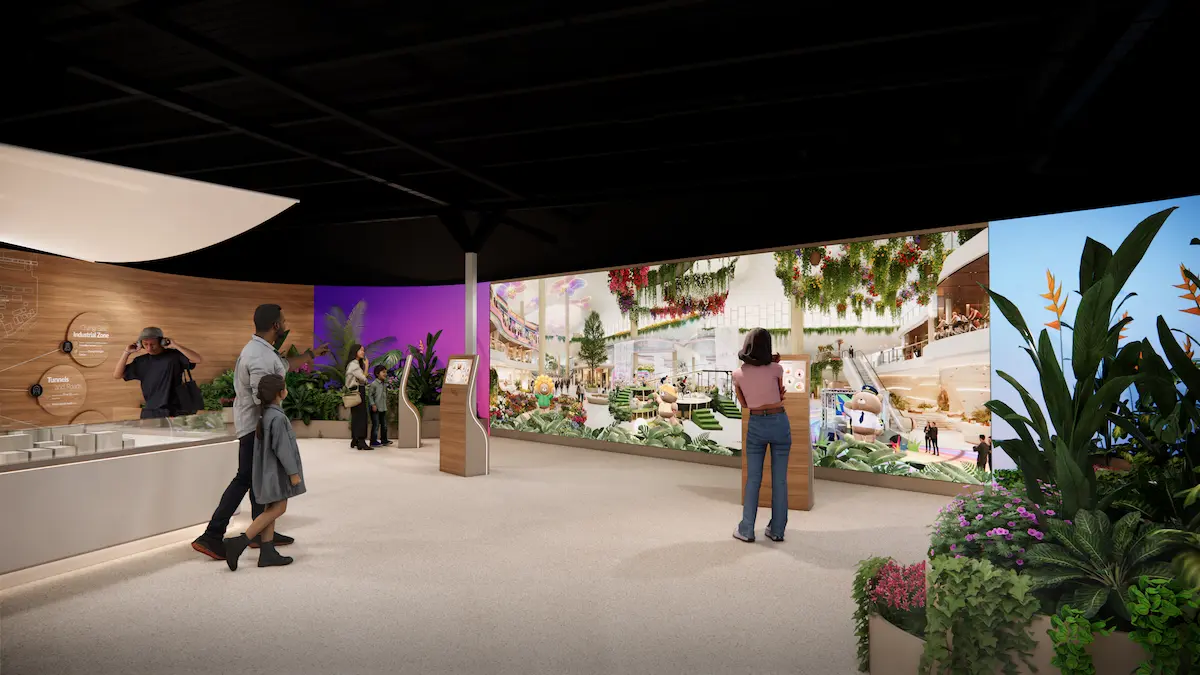
Photo Credits: Changi Airport Terminal 5
Singapore is preparing to enter a transformative era in aviation infrastructure. When you visit Changi Airport Terminal 5, you’ll be stepping into one of the world’s most advanced and sustainable terminals. Currently under construction, this mega facility represents an unprecedented expansion of Changi Airport’s capabilities, designed to redefine travel experiences and cement Singapore’s position as a leading regional air hub.
The Vision Behind Terminal 5
The decision to build Terminal 5 reflects Singapore’s strategic commitment to future aviation growth. Construction commenced in May 2025, marking the beginning of a massive infrastructure project that will reshape how millions of travellers move through Southeast Asia’s busiest airport. When you visit Changi Airport Terminal 5 upon its opening in the mid-2030s, you’ll immediately sense its scale and sophistication. The terminal is being constructed on a 1,080-hectare greenfield site located east of the existing airport, creating an entirely new aviation district.
This expansion was necessary because of projected growth in air travel demand across the Asia-Pacific region, recognised as one of the fastest-developing markets globally. The current four terminals at Changi handle approximately 90 million passengers annually. Once Terminal 5 becomes operational, Changi Airport’s total capacity will expand by over 50 per cent to 140 million passengers per year, positioning it amongst the world’s mega airports—those handling more than 100 million passengers annually.
What to Expect at Terminal 5
When you visit Changi Airport Terminal 5, you’ll encounter a completely reimagined travel environment designed for efficiency and passenger comfort. The first operational phase will handle 50 million passengers annually, more than half the capacity of the existing four terminals combined. This massive capacity demonstrates the terminal’s purpose: to accommodate Singapore Airlines and Scoot, which will consolidate their operations here, along with other carriers serving the region’s growing demand for air connectivity.
The terminal’s design philosophy prioritises both functionality and human experience. Designed collaboratively by internationally renowned architects Kohn Pedersen Fox—the team behind Abu Dhabi’s latest terminal—alongside Heatherwick Studio and local firm architects61, Terminal 5 balances aesthetic appeal with operational excellence. The architects have created a terminal that feels both mega and personal, avoiding the cold, overwhelming atmosphere that often characterises large airport facilities.
Cutting-Edge Technology and Automation
Terminal 5 will represent a significant leap forward in airport technology and automation. When you visit Changi Airport Terminal 5, you’ll experience frictionless travel powered by artificial intelligence and biometric systems. The terminal will integrate image analysis and AI to proactively track aircraft turnaround times, helping anticipate and prevent flight delays before they occur.
Baggage handling represents another major innovation area. Rather than relying solely on traditional conveyor systems, Terminal 5 will deploy baggage-handling robots to manage luggage operations during inclement weather, such as thunderstorms—a particularly important consideration for tropical Singapore. This automation extends to ground transport, with autonomous vehicles shuttling passengers and staff throughout the terminal complex.
Check-in and bag drop procedures will be contactless and streamlined, utilising biometric technology to expedite the passenger journey. Real-time crowd flow monitoring systems will help maintain a sense of calm even during peak travel periods, subtly guiding passenger movement without the chaos typical of congested airport terminals.
Environmental Leadership and Sustainability
When you visit Changi Airport Terminal 5, you’ll be entering one of the world’s most environmentally advanced terminals. The facility will achieve Green Mark Platinum Super Low Energy Building certification—Singapore’s highest green building rating. This distinction reflects Terminal 5’s comprehensive approach to environmental responsibility, addressing carbon emissions, energy efficiency and climate resilience.
The terminal will house Singapore’s largest rooftop solar power system, capable of generating enough electricity annually to power 20,000 four-room public housing flats. This substantial renewable energy capacity demonstrates Changi’s commitment to reducing aviation’s carbon footprint. Complementing the solar installation is a low-carbon, high-efficiency Distributed District Cooling System that manages indoor temperatures sustainably without excessive energy consumption.
Terminal 5 will support the aviation industry’s transition toward sustainable alternatives. The terminal features infrastructure specifically designed for Sustainable Aviation Fuel (SAF) and other alternative aircraft fuels, aligning with airlines’ decarbonisation targets. Additionally, all vehicle fleets operating within Terminal 5 will be fully electric-powered—from ground support equipment like forklifts and tow tractors to light vehicles serving the terminal’s operations.
Flexibility and Resilience
The COVID-19 pandemic taught the aviation industry valuable lessons about adaptability. When you visit Changi Airport Terminal 5, you’ll encounter a terminal designed with flexibility built into its architectural core. The layered roof design facilitates air circulation whilst enabling division of the terminal into smaller sub-sections when necessary. This innovative approach allows for rapid isolation of specific areas for health screening or passenger segregation during health emergencies.
Advanced ventilation systems throughout the terminal provide contactless technologies and enhanced air quality management capabilities. Should future crises require it, Terminal 5 can operate as smaller, independently functioning sub-terminals rather than as one monolithic space. This resilience ensures the facility remains operational and adaptable regardless of unforeseen circumstances.
Integration with Singapore’s Transport Network
Accessibility is paramount when designing a mega terminal. Terminal 5 will integrate seamlessly with Singapore’s expanding public transport infrastructure. The new MRT station serving Terminal 5 will eventually connect to both the Cross-Island Line and the Thomson-East Coast Line, expected to be operational around 2040. This multi-modal connectivity ensures passengers can reach Terminal 5 through various transport options, enhancing convenience and supporting Singapore’s sustainable transport objectives.
The terminal’s landside and airside facilities include comprehensive ground transportation infrastructure, aircraft parking stands, a dedicated cargo complex, and supporting aviation facilities. The development of the 1,080-hectare Changi East site encompasses far more than Terminal 5 alone; it integrates new aviation infrastructure, transport connectivity, industrial zones and green urban planning into a cohesive masterplan.
Planning Your Future Visit
If you’re considering when to visit Changi Airport Terminal 5, mark the mid-2030s on your calendar. Whilst the terminal is several years away from opening, early phases of the project are advancing steadily. Construction is progressing according to schedule, with the main terminal superstructure currently under development.
Before Terminal 5’s grand opening, you have an opportunity to prepare for what’s coming. Changi Airport is hosting immersive exhibitions that provide previews of Terminal 5’s design, innovations and technologies. These exhibitions, such as T5 In the Making, showcase detailed scale models, interactive displays and AI-powered experiences that help visitors understand what awaits them in the mid-2030s.
The Broader Impact on Singapore’s Aviation Sector
Terminal 5 transcends being merely an airport terminal; it represents Singapore’s vision for maintaining its competitive advantage in global aviation. When complete, the facility will enable Changi Airport to serve over 200 city connections—expanding from the current 170 cities. This expanded connectivity will solidify Singapore’s position as Southeast Asia’s premier aviation hub, providing seamless connections across the region and beyond.
The terminal’s development creates opportunities for local businesses, generating employment and fostering economic growth. For travellers, it promises reduced congestion, faster processing times and enhanced amenities developed with passenger experience as the central consideration.
Conclusion: The Future of Singapore Aviation Awaits
When you visit Changi Airport Terminal 5 in the mid-2030s, you’ll step into a facility that represents the convergence of technological innovation, environmental sustainability and human-centred design. This mega terminal will process 50 million passengers annually whilst maintaining a personal, stress-free atmosphere—a remarkable achievement at such scale. From its cutting-edge automation systems to its rooftop solar panels and flexible architecture, Terminal 5 embodies the future of aviation.
The project underscores Singapore’s commitment to remaining at the forefront of global aviation excellence. Whether you’re a frequent traveller or occasional flyer, planning to visit Changi Airport Terminal 5 promises to be an experience unlike any conventional airport visit, as you move through spaces designed for tomorrow whilst enjoying the efficiency and comfort of today’s most advanced technology.





Alibaba Cloud Accelerates Worldwide AI Innovation and Adoption Across Industries

Fly Direct from Korea to Hualien - Incentives of Up to KRW 180,000 Per Tourist for Travel Agencies
Asia Pacific strengthens its position as a global trade anchor as Singapore ranks #1 worldwide – DHL Global Connectedness Report 2026

$55 Tickets to Universal Studios Singapore: Your Complete Guide

March 2026 Singapore Trends: Key Highlights

Sentosa Beach Fest 2026: Fitness & Fun Await

Celebrate International Women’s Month in Singapore

Alibaba Cloud Accelerates Worldwide AI Innovation and Adoption Across Industries

Fly Direct from Korea to Hualien - Incentives of Up to KRW 180,000 Per Tourist for Travel Agencies
Asia Pacific strengthens its position as a global trade anchor as Singapore ranks #1 worldwide – DHL Global Connectedness Report 2026