

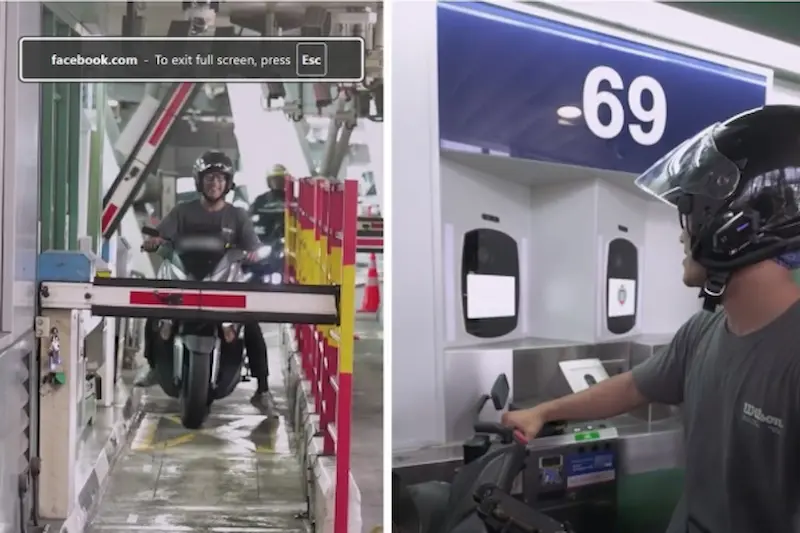
Photo Credit: Immigration & Checkpoints Authority
Singapore has taken another significant stride in modernising its immigration procedures with the introduction of facial recognition technology at Woodlands Checkpoint. As of January 2026, the Immigration and Checkpoints Authority (ICA) has launched an innovative trial programme that allows motorcyclists to clear immigration using facial recognition instead of traditional fingerprint scanning methods. This development represents a substantial leap forward in streamlining border clearance processes whilst maintaining the security standards that Singapore is renowned for.
Understanding the Woodlands Checkpoint Facial Recognition Initiative
The Woodlands Checkpoint facial recognition system marks a pivotal moment in Singapore’s commitment to leveraging cutting-edge technology for border management. The trial programme focuses specifically on motorcycle riders traversing the busy Woodlands Checkpoint, one of Singapore’s busiest land borders. Rather than queuing for conventional fingerprint scanning, eligible motorcyclists can now participate in this streamlined facial recognition process, reducing wait times and enhancing overall travel efficiency.
This technological upgrade was introduced with the primary objective of creating a faster, more convenient immigration clearance experience. However, it’s important to note that speed is not the only consideration; the system has been designed to maintain the stringent security protocols that safeguard Singapore’s borders. The ICA recognised that whilst innovation is crucial, it must never come at the expense of national security.
Who Can Use Woodlands Checkpoint Facial Recognition?
The trial programme has been rolled out with a carefully considered eligibility framework. Singapore residents can participate in the Woodlands Checkpoint facial recognition system without any restrictions. Additionally, Long-Term Pass holders—individuals who maintain extended residency status in Singapore—are also eligible to use the new technology. Interestingly, the system extends to foreign visitors who have previously entered Singapore, allowing returning travellers to benefit from this streamlined process on subsequent visits.
This inclusive approach ensures that the system serves both regular commuters and occasional travellers. For motorcyclists who frequently cross the border for work, education, or business purposes, the facial recognition technology at Woodlands Checkpoint offers a considerable time-saving benefit. Meanwhile, tourists and business visitors from Malaysia and other neighbouring regions who have entered Singapore before can also take advantage of the expedited clearance process.
How the Woodlands Checkpoint Facial Recognition Process Works
Understanding the mechanics of the Woodlands Checkpoint facial recognition system is straightforward, though it does require a few preparatory steps from users. The process begins at designated motorcycle lanes within the arrival zone, where clear signage directs riders to the facial recognition facilities. The ICA has ensured that its officers remain on standby throughout the trial period to provide assistance and guidance to motorcyclists.
To use the system, motorcyclists must first scan either their MyICA mobile application QR code or their passport at the designated scanning station. After completing this initial step, riders need to lift their helmet visor, as the system requires a clear view of the face. Any sunglasses or masks must be removed to ensure optimal facial recognition accuracy. Finally, the motorcyclist looks directly into the camera, which captures their facial biometric data and processes it against existing immigration records.
Notably, there is no prior registration or set-up required. This means that eligible individuals can simply approach the facial recognition lanes at Woodlands Checkpoint without needing to enrol in advance. This seamless approach reduces friction and makes the technology accessible to spontaneous travellers who may not have anticipated using the system.
The Advantages of Woodlands Checkpoint Facial Recognition
The primary benefit of the Woodlands Checkpoint facial recognition system is undoubtedly speed. Traditional fingerprint scanning requires motorcyclists to dismount, position their fingers correctly, and wait for the system to process the data. In contrast, facial recognition can be completed rapidly, reducing congestion at the checkpoint and enabling higher throughput during peak travel periods.
Convenience represents another substantial advantage. Motorcyclists no longer need to contend with fingerprint scanning failures caused by dirt, moisture, or worn fingertips—issues that are common in tropical climates and for individuals engaged in manual labour. Facial recognition technology eliminates these pain points, making the immigration clearance process more reliable and less frustrating.
From a public health perspective, the system also reduces physical contact points. Motorcyclists no longer need to touch scanning devices, which was particularly relevant during periods of heightened health consciousness. The touchless nature of facial recognition aligns with modern sanitation expectations.
Beyond individual benefits, the Woodlands Checkpoint facial recognition trial supports Singapore’s broader digital transformation agenda. The initiative demonstrates the government’s commitment to adopting smart technologies that enhance citizen and visitor experiences. As more border crossings and checkpoints adopt similar systems, Singapore reinforces its position as a leading technologically advanced nation.
Security and Privacy Considerations
A common concern with facial recognition technology centres on privacy and data security. The ICA has addressed these considerations by ensuring that the Woodlands Checkpoint facial recognition system integrates seamlessly with existing immigration databases, using facial data that has already been captured during previous border entries. This approach minimises new data collection and leverages existing biometric information.
Facial recognition technology at Woodlands Checkpoint maintains Singapore’s robust border security standards. The system does not replace thorough security checks; rather, it streamlines the clearance process for pre-screened individuals. Singapore residents and legitimate long-term pass holders have already undergone vetting, making them lower-risk candidates for expedited clearance. Foreign visitors who have previously entered Singapore are similarly lower-risk, as their previous entries have been documented and processed.
The presence of ICA officers at the designated lanes provides an additional layer of oversight. These trained professionals can intervene if any anomalies are detected or if additional questioning is necessary. This human element ensures that the system remains responsive to security concerns whilst benefiting from technological efficiency.
The Future of Woodlands Checkpoint Facial Recognition
The trial programme at Woodlands Checkpoint is designed to be responsive to user feedback and performance data. The ICA has indicated that the duration and scope of the trial will depend on feedback gathered during the initial implementation period. This measured approach allows the authority to identify any technical issues, user experience challenges, or security considerations before expanding the system further.
Should the trial prove successful, there is considerable potential for expansion. The Woodlands Checkpoint facial recognition technology could be extended to additional lanes, other checkpoints, and potentially other modes of entry into Singapore. The system could eventually complement or supplement existing clearance methods at air and sea ports, creating a truly integrated smart border experience.
Conclusion
The Woodlands Checkpoint facial recognition initiative represents a meaningful advancement in Singapore’s immigration infrastructure. By introducing this technology at a critical land border crossing, the ICA has demonstrated its commitment to balancing innovation with security. The system offers genuine benefits to motorcyclists and frequent border crossers, reducing wait times and enhancing convenience without compromising the rigorous standards that protect Singapore’s borders.
As the trial progresses, the success of the Woodlands Checkpoint facial recognition system will likely influence how Singapore approaches technological modernisation across its border management systems. For residents, long-term pass holders, and returning visitors, this innovation promises a more efficient, seamless journey through one of Asia’s busiest border checkpoints. The future of border clearance in Singapore is becoming increasingly intelligent, and Woodlands Checkpoint is leading the way.





General Practitioners Support Mental Health in Singapore

Comprehensive Support for International Students to Bolster Hong Kong’s Talent Attraction and Retention

Understanding SkillsFuture Funding and the Real Cost of Upskilling

General Practitioners Support Mental Health in Singapore

How Fuel Price Hike Affects the Singapore Economy

Win $75 CDC Vouchers On Singapore Walking Trails
PetExpo 2026: Singapore’s Biggest Pet Fair
General Practitioners Support Mental Health in Singapore

Comprehensive Support for International Students to Bolster Hong Kong’s Talent Attraction and Retention

Understanding SkillsFuture Funding and the Real Cost of Upskilling
