

Photo Credit: Yahoo Creators
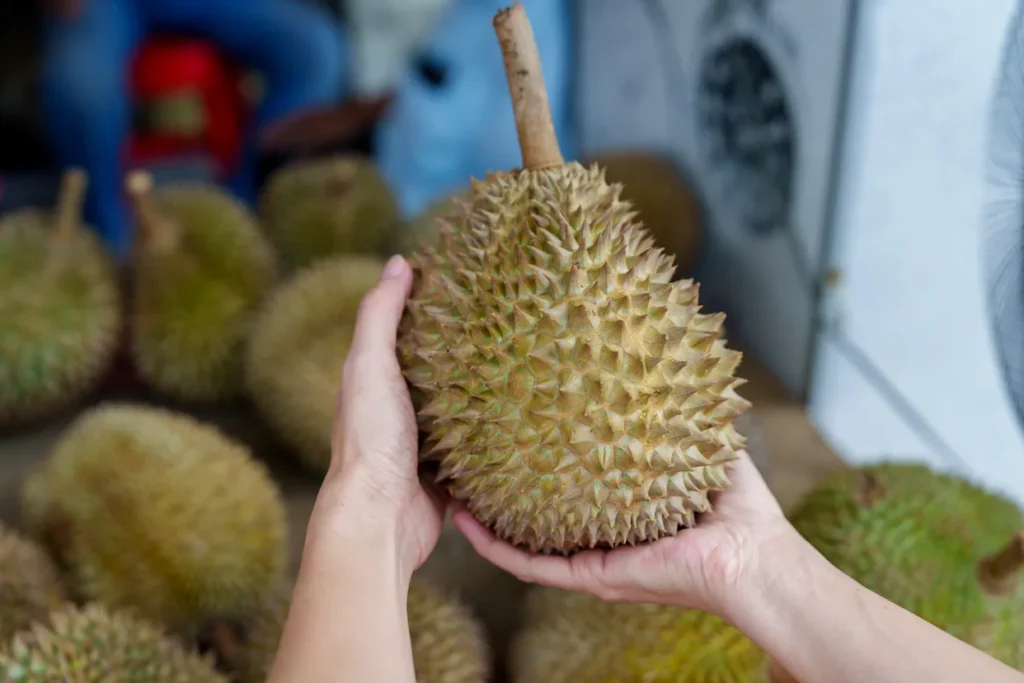
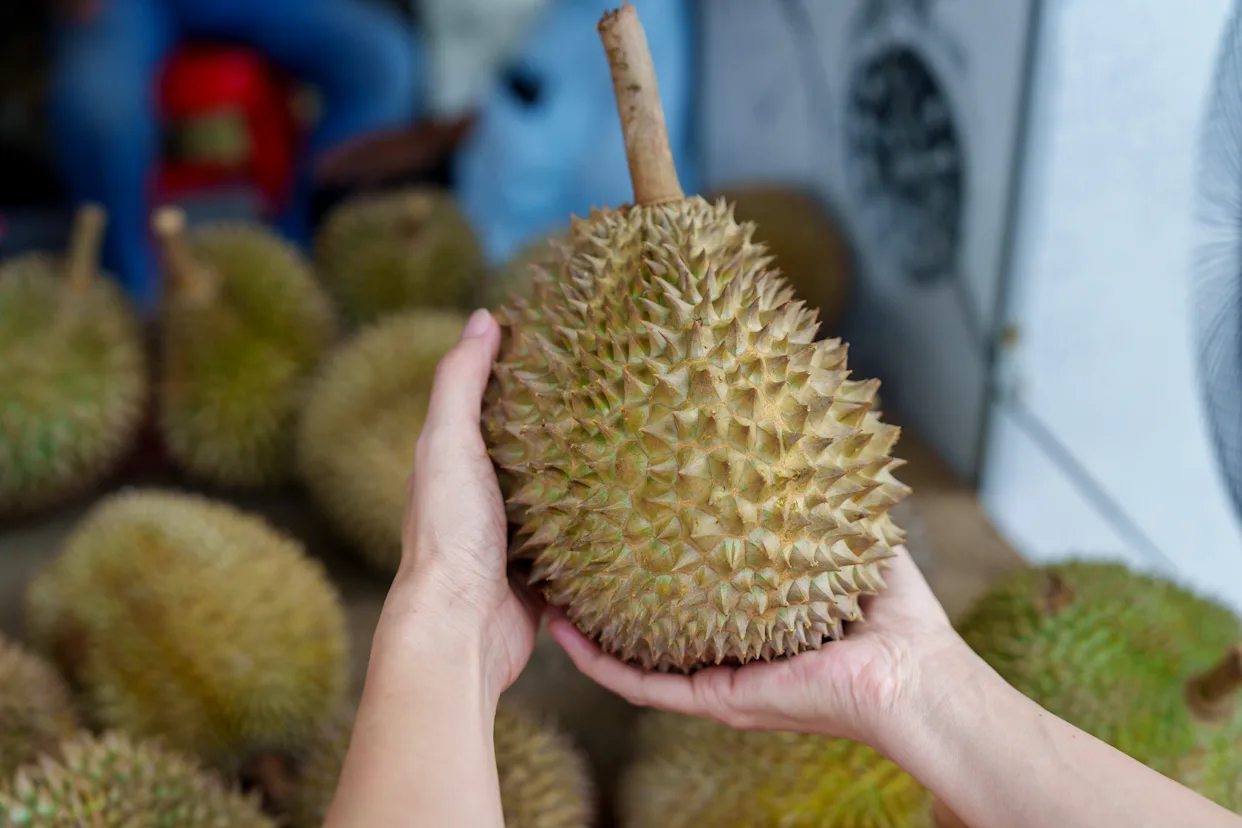
Durians are not technically banned across the whole of Singapore, but they are strictly prohibited in specific public and private spaces due to their notoriously pungent and lingering odour. The restrictions primarily apply to public transport systems like the MRT and buses, as well as many hotels and air-conditioned buildings, where the intense smell is considered disruptive and offensive to others. Understanding why durians banned in Singapore in these contexts requires looking at the country’s emphasis on public cleanliness, shared comfort, and the unique characteristics of the “king of fruits” itself.
The primary reason behind the restrictions on durians is the fruit’s powerful and distinctive aroma, which many people find overwhelming and unpleasant. Descriptions of the smell vary widely, ranging from sweet and custard-like to pungent notes reminiscent of sewage, rotting onions, or even gas. This divisive scent is so strong that it can permeate enclosed spaces and linger for days, making it a significant concern in air-conditioned environments where ventilation is limited.
Even those who enjoy eating durian often acknowledge that the smell can be quite offensive, especially in confined areas like train carriages or hotel rooms. The odour is not just a momentary inconvenience; it can persist long after the fruit has been removed, requiring extensive cleaning to eliminate. This lingering nature of the smell is a key factor in why authorities and property managers have taken a firm stance on where durians can and cannot be brought.
One of the most well-known restrictions involves Singapore’s public transport system, where durians are explicitly banned on MRT trains and buses. This policy was officially implemented in 1988 by SMRT Corporation, which introduced a fine of up to S$500 for anyone caught bringing durians onto the trains. The decision was driven by numerous passenger complaints about the fruit’s smell causing discomfort in the air-conditioned carriages.
According to the Rapid Transit Systems Regulations, durians are classified as prohibited items on board MRT trains, alongside other restricted goods. The rationale provided by transport operators is straightforward: the durian’s odour is particularly potent in enclosed, climate-controlled spaces and can remain noticeable for several days, affecting the experience of all passengers. SBS Transit, which operates public buses, also requests that passengers refrain from bringing items that may offend others, including durians and pets.
Signs displaying a crossed-out durian icon can be found at MRT stations and inside train carriages, serving as a clear reminder of the rule. While enforcement may vary, offenders can theoretically be fined up to S$500 if caught violating the regulation. The ban extends to all forms of public transport, ensuring that the commuting experience remains pleasant for everyone, regardless of their personal tolerance for strong smells.
In addition to public transport, many hotels in Singapore have adopted similar policies restricting or banning durians from their premises. The reasoning is consistent with the transport ban: the fruit’s odour can seep into carpets, curtains, furniture, and other soft furnishings, making it difficult and costly to remove. Some hotels specify a “durian-free” policy on their websites and inform guests that bringing durians into rooms or lobbies is not permitted.
If a durian is discovered within a hotel room, guests may face cleaning fees or fines, which can range from S$200 to S$250 or more, depending on the establishment. For instance, InterContinental Singapore has stated that a fine of S$250 will be imposed if a durian is found within the hotel, while Hotel Ora on Sentosa imposes a cleaning charge for pungent food items like durians. These fees are not arbitrary; they cover the cost of professional cleaning services required to eliminate the odour and may also compensate for the room being out of service for several days during the cleaning process.
Tourists and locals alike have reported being charged these fees after inadvertently or intentionally bringing durians into their hotel rooms. The front desk staff typically explain that the charge is necessary because the room requires thorough sanitisation and deodorisation before it can be occupied again. This policy helps hotels maintain a pleasant environment for all guests and protects their property from long-term odour contamination.
Beyond public transport and hotels, durians are also discouraged or prohibited in various other air-conditioned and public spaces across Singapore. Office buildings, shopping malls, and elevators often display signs or have security personnel who advise against bringing durians inside. The enclosed nature of these spaces means that the smell can quickly become overwhelming and disruptive to occupants and visitors.
Changi Airport generally discourages durians in public terminals, and most airlines flying to or from Singapore do not allow them as cabin or checked baggage. This is due to a combination of factors, including the potential for odour contamination, pressure changes during flight, and the comfort of other passengers. Schools and educational institutions also typically prohibit durians in canteens and classrooms for similar reasons, including the potential for smell disruption and allergic reactions among students.
The restrictions are not limited to government-run spaces; private businesses and property managers also enforce their own rules to maintain a comfortable environment. The widespread adoption of these policies reflects a broader cultural consensus in Singapore about the importance of shared public spaces and mutual consideration among residents and visitors.
Despite these restrictions, durians are far from banned in Singapore as a whole. In fact, the fruit is widely available and can be enjoyed in many locations throughout the city-state. Durian stalls and markets, particularly in areas like Geylang and Balestier, are popular destinations for durian enthusiasts. These outdoor or semi-outdoor venues are ideal for consuming the fruit because the smell can disperse more easily in open air.
Outdoor hawker centres and designated durian cafes also permit the sale and consumption of durians. These locations are specifically set up to accommodate the fruit’s strong aroma without causing inconvenience to others. At home or in private outdoor spaces, individuals are free to enjoy durians without restriction, as long as they are considerate of neighbours and avoid causing undue disturbance.
The key distinction is that durians are restricted in enclosed, air-conditioned, or shared public spaces where the smell cannot easily dissipate and may affect a large number of people. In open or designated areas, the fruit is celebrated and enjoyed as a beloved part of Southeast Asian culinary culture.
Singapore’s approach to durian restrictions reflects the country’s broader emphasis on cleanliness, order, and public harmony. Often described as a “fine city” due to its strict regulations and penalties for various offences, Singapore prioritises the comfort and well-being of all residents and visitors. The durian ban in specific locations is consistent with other rules aimed at maintaining a pleasant public environment, such as prohibitions on littering, smoking in certain areas, and chewing gum in public spaces.
While durians hold cultural significance and are cherished by many as the “king of fruits,” their divisive aroma presents a unique challenge in a densely populated urban setting. By restricting where durians can be brought, Singapore strikes a balance between allowing people to enjoy the fruit and ensuring that public spaces remain comfortable for everyone. This approach demonstrates a practical compromise that respects both individual preferences and collective well-being.
The restrictions on durians in Singapore are not a blanket ban on the fruit itself, but rather targeted measures to manage its impact in specific environments. The intense and lingering smell of durians makes them unsuitable for enclosed public spaces like MRT trains, buses, hotels, and air-conditioned buildings, where the odour can cause significant discomfort and require costly cleaning. By enforcing these rules, Singapore maintains its reputation as a clean and orderly city while still allowing durian lovers to enjoy their favourite fruit in appropriate locations.
Understanding why durians banned in Singapore in certain contexts helps visitors and residents navigate the rules effectively and avoid potential fines. Whether you are a durian enthusiast or someone who prefers to avoid the fruit’s potent aroma, knowing where durians are allowed and where they are restricted ensures a more pleasant experience for everyone in this vibrant city-state.