



Singapore Travel Basics: What First-Time Visitors Need to Know

C

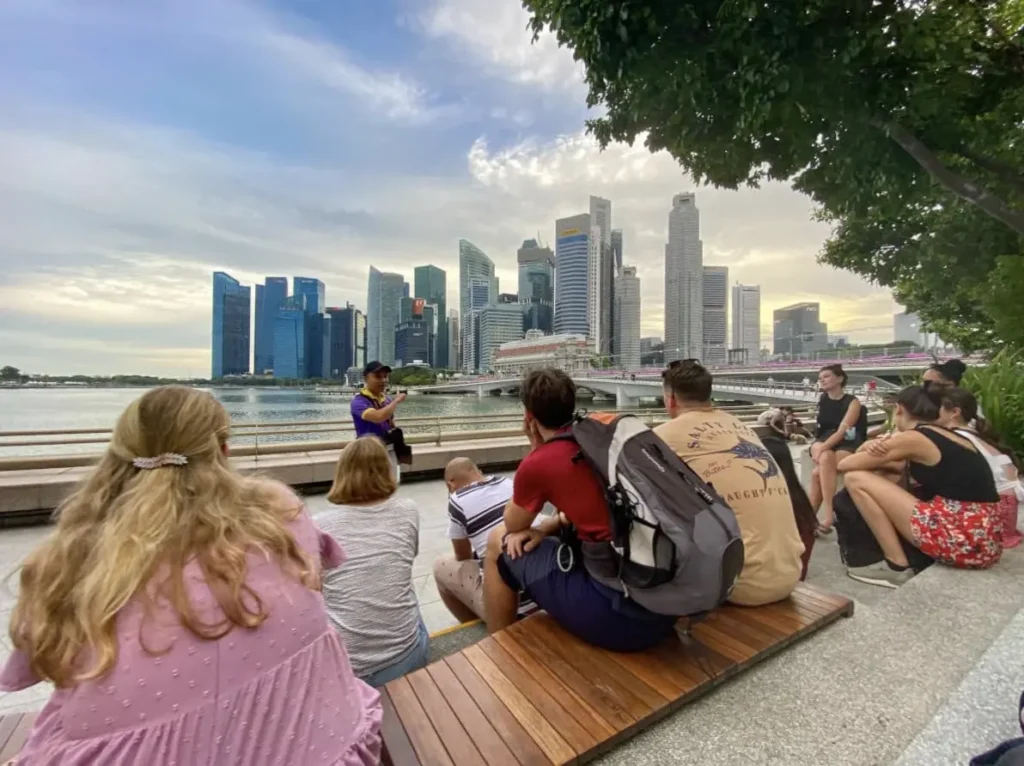
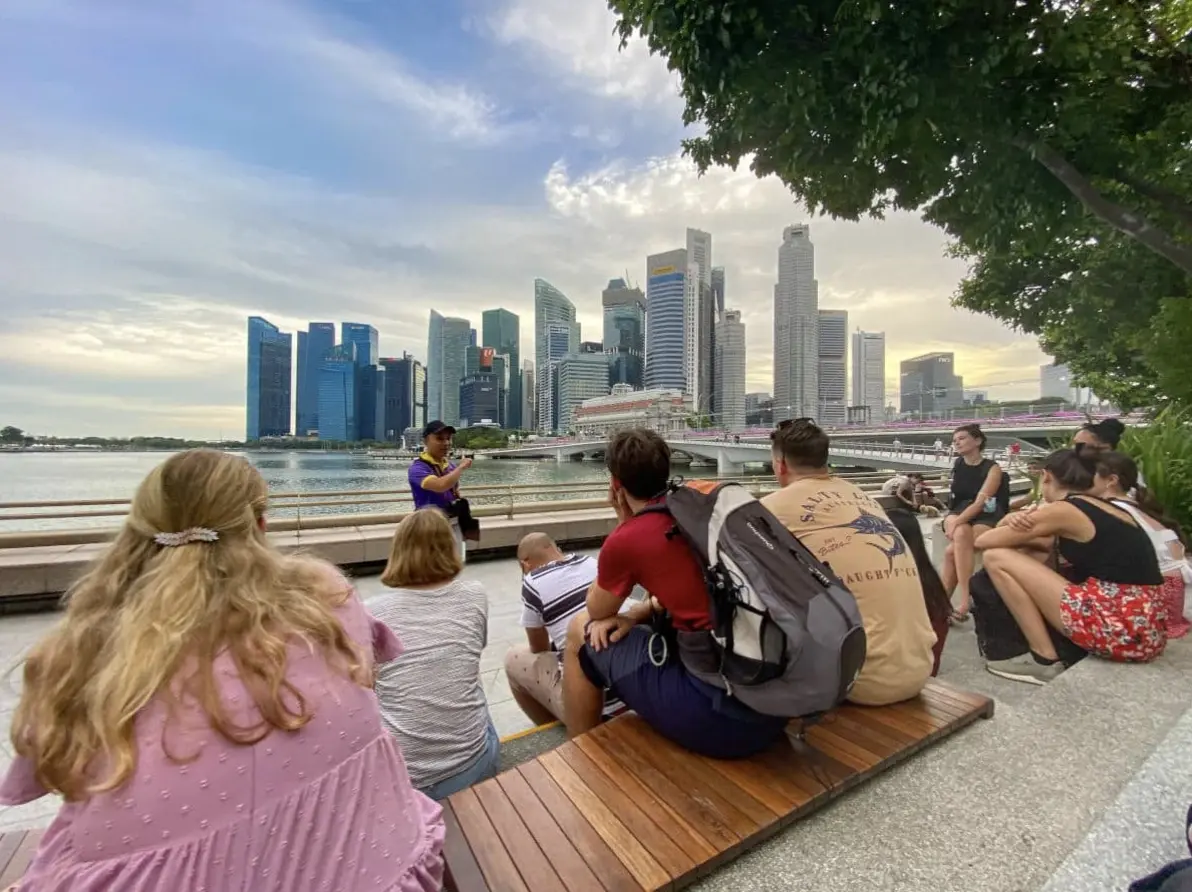
Photo Credits: FreeTourCommunity


Your flight is booked, and now you are trying to work out whether you need cash, how the trains work, and whether you have missed something obvious that everyone else already knows. Here is the direct answer. Singapore travel is genuinely straightforward for first-time visitors, since public transport is extensive, English is widely spoken, and the country is compact enough that poor planning rarely turns into a wasted day. The few things worth knowing in advance are how to pay for transport, what the weather will realistically be like, and how far apart things actually are.

Singapore continues to welcome a steady flow of first-time and repeat visitors. International visitor arrivals reached 16.9 million in 2025, according to the Singapore Tourism Board, an increase of 2.3 percent on the year before, which reflects a well-established, mature tourism system built to handle exactly the kind of questions a first-time traveller has.

What Do I Need to Know Before Travelling to Singapore?

The most useful Singapore travel basics are transport, payment and weather. Singapore’s rail network, run by the Land Transport Authority, spans more than 170 stations across six MRT lines, carrying over three million riders a day, which makes it realistic to get around the entire country without renting a car. Contactless bank cards and mobile payment apps are widely accepted for transport fares, reducing the need to buy a separate transit card in advance.

In one sentence, if you sort out how you will pay for transport before you land, most of the rest of Singapore travel falls into place on its own.

How Do I Get Around Singapore Without a Car?

The MRT and bus network covers almost the entire island, and taxis or ride-hailing apps fill in the gaps for areas slightly further from a station. Most attractions, neighbourhoods and hawker centres are within a short walk of an MRT stop, so a typical day of sightseeing rarely requires more than two or three train changes.

What Should I Know About Singapore’s Weather Before I Go?

Singapore is warm and humid year-round, with no distinct hot or cold season the way some destinations have. Rain is more frequent during the Northeast Monsoon, roughly December to early March, according to the National Environment Agency, so packing a light rain jacket or a small umbrella is worth doing regardless of which month you visit.

Quick Reference: Singapore Travel Basics

Topic

What to Know

Getting around

MRT and buses cover most of the island, contactless payment accepted

Weather

Warm and humid year-round, wetter Nov to Mar

Language

English widely spoken alongside Mandarin, Malay and Tamil

Currency

Singapore Dollar, cards widely accepted

One honest limitation. We are a lifestyle and travel publication, not a booking or visa service, so specific entry requirements, visa rules and current border policies should always be checked against official government sources rather than assumed from an article, including this one.

Should I Plan a Trip Beyond Singapore Itself While I Am There?

Many visitors combine a Singapore stay with a short trip to a nearby country, given how close several regional destinations are. Our guide to 10 amazing destinations for travel from Singapore covers several options worth considering if your schedule allows for more than just Singapore itself.

Where Should I Base Myself for a First Singapore Trip?

Staying near an MRT line matters more than staying in any one specific neighbourhood, since the rail network’s more than 170 stations mean almost any area with a nearby station puts you within reach of the rest of the island. Areas around the city centre and Marina Bay tend to command higher accommodation prices, while neighbourhoods slightly further out, still well served by the MRT, often offer better value without adding much to your daily travel time.

What Are the Main Daily Costs to Plan For?

Beyond accommodation, the main daily costs are transport, food and any paid attractions you choose to visit. Transport is genuinely inexpensive relative to many cities, since MRT and bus fares are distance-based and rarely add up to a large sum even across a full day of sightseeing. Food costs vary the most, depending heavily on whether you eat mainly at hawker centres or lean toward restaurants, which is why setting a rough daily food budget in advance is more useful than assuming one fixed cost applies to every meal.

Common Objection: Is Singapore Too Expensive for a First-Time Traveller?

Singapore can be pricier than some neighbouring destinations, particularly for accommodation and dining in central areas, but costs vary widely depending on choices you control. Hawker centre meals, public transport and many free outdoor attractions keep daily costs manageable, so a Singapore trip does not have to mean a fine dining and hotel-heavy budget unless that is specifically what you are after.

Frequently Asked Questions

Do I need to carry cash in Singapore? Less than you might expect. Most transport, malls and restaurants accept cards or mobile payments, though smaller hawker stalls may still be cash-only, so keeping some small notes on hand is a sensible backup.

Is English enough to get around Singapore? Yes, English is one of Singapore’s official languages and is widely used in transport, signage and most everyday interactions, alongside Mandarin, Malay and Tamil.

How many days should a first Singapore trip be? Three to five days is a common length for a first visit, long enough to cover key attractions and neighbourhoods without feeling rushed.

Is it easy to day-trip out of Singapore? Yes, several nearby destinations are reachable within a few hours, which is why many visitors extend a Singapore trip with a short side trip rather than staying within the country for the entire visit.

For more travel guides and destination ideas, visit our Travel section.

Planning a trip and think we should cover a specific destination or route? Email our editorial team at admin@dei.com.sg.


C
Content Team
Best Mart 360 Reports Interim Revenue Growth to HK$1.45 billion
1 September 2026
Save

Best Mart 360 Reports Interim Revenue Growth to HK$1.45 billion
C
Content Team
Ingdan, Inc. (400.HK) Announces 2026 Interim Results
1 September 2026
Save

Ingdan, Inc. (400.HK) Announces 2026 Interim Results
C
Content Team
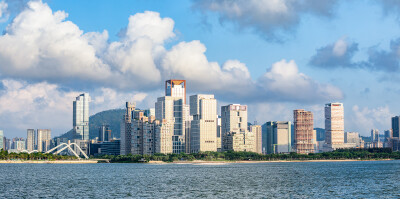
Hong Kong Science and Technology Parks Corporation Kicks Off 25th Anniversary Prelude "Innovation. Next by Nature."
1 September 2026
Save
Hong Kong Science and Technology Parks Corporation Kicks Off 25th Anniversary Prelude "Innovation. Next by Nature."