




Photo Credits: SingaporeHawkerCentres
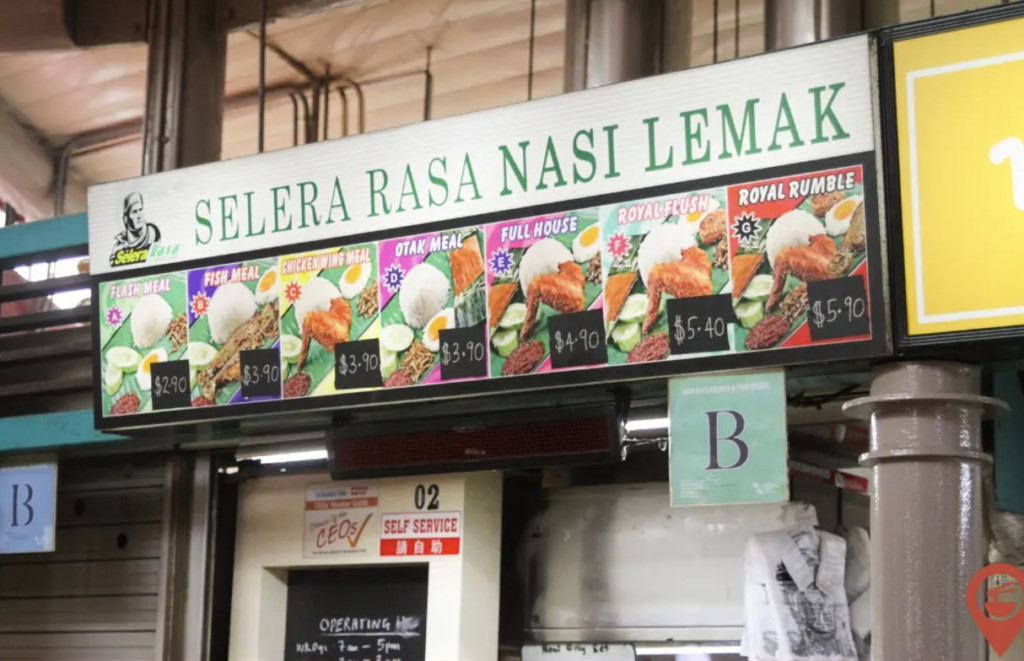
Singapore has more than 1,200 MUIS-certified halal restaurants, according to a 2026 roundup by Getgo. At the budget end, Selera Rasa’s nasi lemak at Adam Road Food Centre draws long queues and has reportedly been enjoyed by the Sultan of Brunei and an Indonesian president. At the fine dining end, The Halia, nestled inside Singapore Botanic Gardens, offers halal fusion cuisine blending European and Asian flavours for special occasions.
This guide breaks down real options across three budget tiers, rather than one long undifferentiated list.
Nanay’s Kitchen, at 301 Ubi Avenue 1, serves authentic Filipino halal food from as low as $6 a dish, including Adobo Chicken and Tinolang Manok, according to Getgo’s guide to halal dining across budgets. It fills a genuine gap for diners craving Filipino cuisine who have struggled to find halal-certified options elsewhere in Singapore.
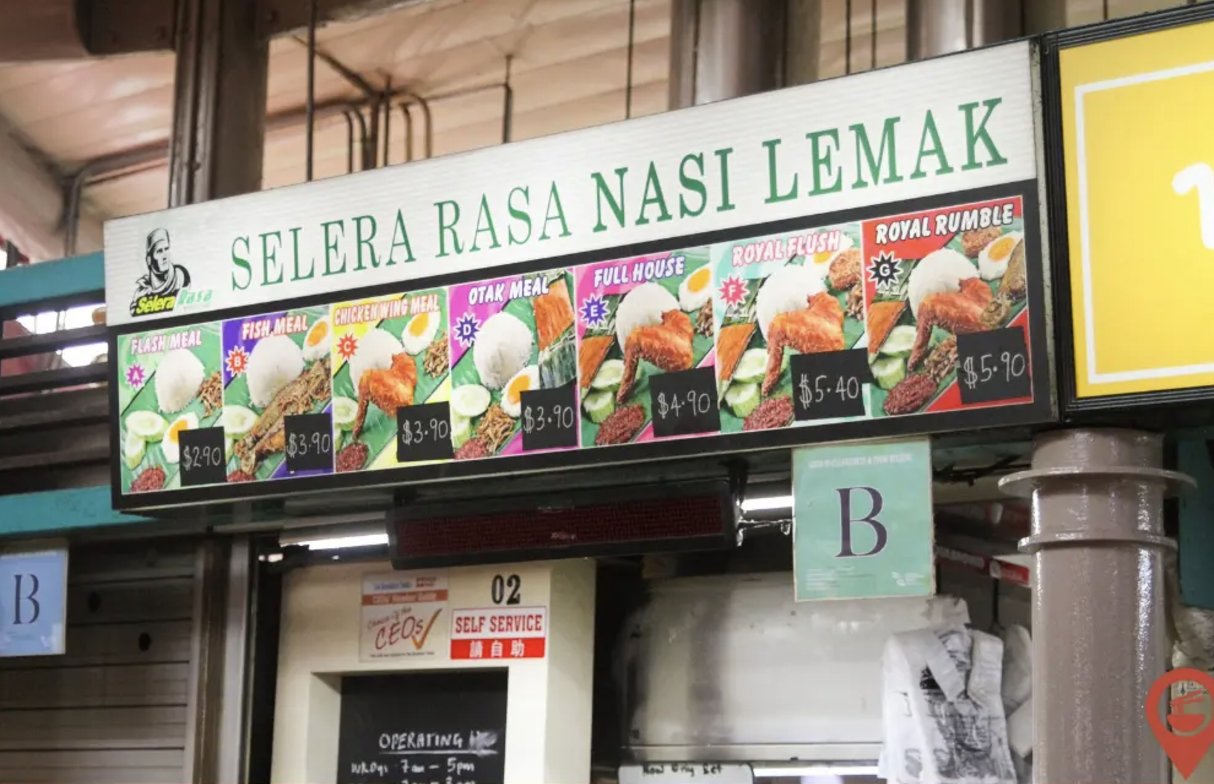
Selera Rasa, tucked inside Adam Road Food Centre, is the hawker-level standout for nasi lemak specifically. The stall’s rice is the headline draw, and its reputation has reportedly reached beyond Singapore, with claims it has served the Sultan of Brunei and at least one Indonesian president over the years.
At the fine dining end, The Halia sits inside the Botanic Gardens near the Ginger Garden, offering a fusion menu of European and Asian flavours suited to date nights and special occasions, according to Getgo’s halal fine dining coverage. Royal Palm Meat and Dine, inside Golden Landmark Shopping Complex in Bugis, offers a broader spread from Persian cuisine to seafood, alongside a dinner buffet and free-flow high tea option.
Here is a quick reference across the three tiers.
Tier | Name | Location | Signature |
Budget | Nanay’s Kitchen | 301 Ubi Ave 1 | Filipino dishes from $6 |
Budget | Selera Rasa | Adam Road Food Centre | Nasi lemak |
Mid-range | Royal Palm Meat and Dine | Golden Landmark, Bugis | Persian and international buffet |
Fine dining | The Halia | Singapore Botanic Gardens | European-Asian fusion |
For a mid-range hotel buffet option specifically, halal-certified spreads such as those at PARKROYAL and Village Hotel properties typically run from around $37 to $60 per person on weekdays, according to Moneysmart’s 2026 halal buffet pricing guide, rising on weekends and public holidays. Several of these buffets also run 1-for-1 promotions tied to specific credit cards, which can bring the effective per-person price closer to the budget tier covered above.
If wet markets and hawker heritage interest you beyond halal dining specifically, our guide to the retro wet market at Tan Xiang Cai Shi covers a different side of Singapore’s food scene.
Here is the honest answer. With over 1,200 MUIS-certified establishments across the island, halal dining in Singapore is genuinely well-served compared to many other countries, particularly in areas such as Kampong Glam, Geylang Serai and around Adam Road. The difficulty is less about availability and more about knowing which specific stalls or restaurants are certified, since not every restaurant serving Malay or Middle Eastern food is automatically halal-certified.
One limitation worth naming plainly. MUIS certification can lapse or change if a restaurant switches suppliers or management, so a restaurant confirmed halal a year ago is not guaranteed to still hold certification today. Checking MUIS’s own directory or the restaurant’s current signage before a visit, particularly for a special occasion, is worth the extra few minutes.
For more of Singapore best places to eat or dining scene across dietary needs and budgets, browse our Food section for ongoing coverage.
Does MUIS certification mean a restaurant is automatically alcohol-free? Yes. MUIS-certified halal restaurants do not serve alcohol, since alcohol consumption is not permissible under halal dietary guidelines, so a certified restaurant will not have a separate alcohol menu.
Are hotel halal buffets more expensive than standalone halal restaurants? Generally yes, particularly on weekends, since hotel buffets bundle in a wider spread of dishes and a more elaborate dining setting, whereas standalone restaurants and hawker stalls typically charge per dish or per set meal.
How can I verify if a restaurant is genuinely MUIS-certified? Checking MUIS’s official halal directory online, or looking for the physical MUIS certification signage displayed at the restaurant’s entrance, are the two most reliable ways to confirm current certification status.
Is Selera Rasa’s nasi lemak worth the queue? Given its decades-long reputation and the specific, notable diners it has reportedly served, the queue has generally been considered worth it by longtime fans, though be prepared for a genuine wait during peak breakfast and lunch hours.
Are there halal options for major cuisines beyond Malay and Indian food? Yes. Singapore’s halal dining scene now spans Filipino, Persian, Japanese, Italian and various fusion cuisines, reflecting a broader range of MUIS-certified establishments than the traditional Malay and Indian options most people associate with halal food.
Do halal restaurants in Singapore cater well to non-Muslim diners too? Yes. Halal certification affects ingredients and preparation methods rather than the style of cuisine itself, so non-Muslim diners can order from the same menu without any difference in taste or variety, making these restaurants a genuinely inclusive option for mixed groups.
If you have a favourite halal spot you think deserves a mention, email us at admin@dei.com.sg.