





New Attractions In Singapore Named On Time’s 2026 List

C

Photo Credit: Time Magazine


For a city‑state that regularly reimagines its landscape, Singapore has once again made waves on the global stage. Two
new attractions in Singapore – House of Tan Yeok Nee and Rainforest Wild Asia – have been included in Time Magazine’s World’s Greatest Places list for 2026. While neither is a towering theme park or flashy mall, both offer a different kind of draw: one rooted in heritage and quiet elegance, the other in immersive nature and wildlife storytelling. Together, they underscore how new attractions in Singapore are becoming as much about cultural depth and environmental connection as they are about entertainment.

Why These New Attractions In Singapore Stand Out

Time Magazine’s “World’s Greatest Places” list highlights destinations that are “worth the trip” for their originality, civic impact, and visitor experience. House of Tan Yeok Nee and Rainforest Wild Asia are two of only 14 places in Asia to feature on the 2026 edition, and they signal a shift in how Singapore presents itself to the world. Instead of leaning solely on futuristic icons, the city is foregrounding restored heritage landmarks and conservation‑driven wildlife experiences as part of its tourism narrative.

Both attractions also tap into broader travel trends: an appetite for “slow” tourism, meaningful cultural context, and contact with nature that feels authentic rather than staged. For visitors, this means new attractions in Singapore are less about checking items off a bucket list and more about lingering in a specific place, learning its story, and connecting with its surroundings.

House Of Tan Yeok Nee: A 19th‑century Mansion Reborn

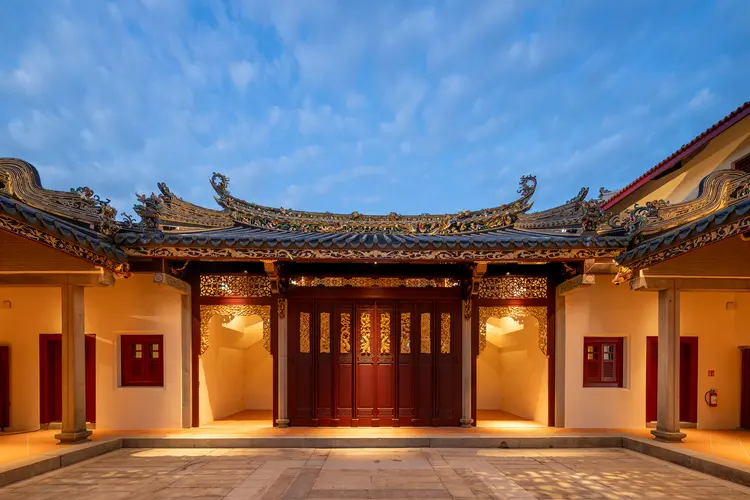
House of Tan Yeok Nee is one of the oldest surviving Teochew mansions in Singapore, dating back to the late 1880s. For decades, it stood as a quiet national monument tucked into the city’s urban fabric, largely closed to the public. Recent years have seen an extensive three‑year restoration, after which the site reopened as a multi‑use cultural space rather than a conventional museum.

The architecture alone draws attention: intricate roof carvings, ornamental plasterwork, and a layout that reflects traditional Chinese residential and clan traditions. Inside, carefully preserved rooms now host cultural exhibitions, talks, and curated events that explore Peranakan and Chinese heritage, migration histories, and Singapore’s architectural evolution. The approach is understated and respectful, allowing the building itself to “speak” rather than overwhelming it with high‑tech displays.

A key addition is the in‑house fine‑dining restaurant, Loca Niru, which blends French techniques with Japanese and Southeast Asian flavours. Far from being an afterthought, the restaurant forms part of the space’s layered identity, inviting visitors to experience the mansion over several hours rather than in a brief tour. For locals and tourists alike, House of Tan Yeok Nee reframes what heritage tourism can look like – less about static exhibits and more about lived‑in spaces that host art, food, and conversation.

Rainforest Wild Asia: Wildlife In The Heart Of A Rainforest

At the opposite end of the spectrum is Rainforest Wild Asia, a new wildlife park within the Mandai Wildlife Reserve. Designed as a “world‑first” adventure‑focused wildlife experience, the attraction focuses on animals from Asia’s rainforests and the habitats that sustain them. Rather than conventional cages or enclosures, the park emphasises elevated walkways, treetop trails, and immersive viewing zones that mirror the vertical layers of a rainforest canopy.

Visitors move through thematic zones that highlight different ecological niches, from misty riverbanks to dense undergrowth and airy canopy levels. Interpretive displays and signage explain not only the species on show but also the threats they face, such as habitat loss and the illegal wildlife trade. The park is explicitly framed as a conservation destination, with proceeds and awareness‑raising efforts tied to regional wildlife protection programmes.

Family‑friendly yet information‑rich, Rainforest Wild Asia sits alongside other Mandai offerings like the Singapore Zoo and Night Safari, but with a stronger emphasis on experiential learning and low‑impact design. Light‑footprint trails, naturalistic barriers, and climate‑responsive structures reflect Singapore’s push to blend tourism with sustainability, another reason it stands out among new attractions in Singapore.

How These Sites Fit Into Singapore’s Tourism Shift

The inclusion of House of Tan Yeok Nee and Rainforest Wild Asia on Time’s 2026 list is not just a media accolade; it reflects a broader shift in Singapore’s tourism strategy. In recent years, the city has been diversifying its offerings beyond the Marina Bay skyline and Sentosa’s theme parks, weaving in heritage trails, nature corridors, and eco‑conscious experiences.

Within this context, these two attractions work as complementary anchors: one invites introspection and aesthetic appreciation in the urban core, the other fosters engagement with biodiversity at the city’s green fringe. For a small city‑state, such juxtaposition matters – it signals that new attractions in Singapore can coexist with both its dense built environment and its growing network of parks and nature reserves.

Local authorities and private operators have also leaned into the “quality over quantity” angle, focusing on thoughtful design, strong narratives, and long‑term cultural or ecological value rather than short‑term spectacle. This helps explain why Time and other international outlets have begun to portray Singapore not only as a logistical hub or shopping destination, but as a place with substance beneath its polished surface.

What This Means For Visitors In 2026 And Beyond

For tourists planning a trip in 2026, the recognition of these two venues offers a ready‑made itinerary hook. House of Tan Yeok Nee suits those drawn to architecture, history, and quieter cultural experiences, while Rainforest Wild Asia appeals to families, nature enthusiasts, and wildlife lovers. Both can be paired with nearby icons – the mansion with heritage‑led walks in Chinatown or the Civic District, the wildlife park with other Mandai attractions – to create layered, multi‑day experiences.

For Singaporeans, the two sites also symbolise a renewed interest in homegrown heritage and local ecosystems. As the city evolves, they offer reasons to revisit familiar neighbourhoods and green spaces with fresh eyes, treating them not as static backdrops but as living parts of the urban story. Over time, more new attractions in Singapore may mirror this blend of preservation, education, and low‑impact enjoyment, shaping how locals and visitors experience the city in the years ahead.

C
Content Team
New Attractions In Singapore Named On Time’s 2026 List
11 May 2026
Save
New Attractions In Singapore Named On Time’s 2026 List
C
Content Team
Galaxy Macau Celebrates 26 Awards Winning Standout Recognition at Tatler Best Hong Kong & Macau Awards 2026
12 May 2026
Save
Galaxy Macau Celebrates 26 Awards Winning Standout Recognition at Tatler Best Hong Kong & Macau Awards 2026
C
Content Team
Innomotics accelerates LNG electrification with major eLNG drive orders worldwide
12 May 2026
Save
Innomotics accelerates LNG electrification with major eLNG drive orders worldwide