

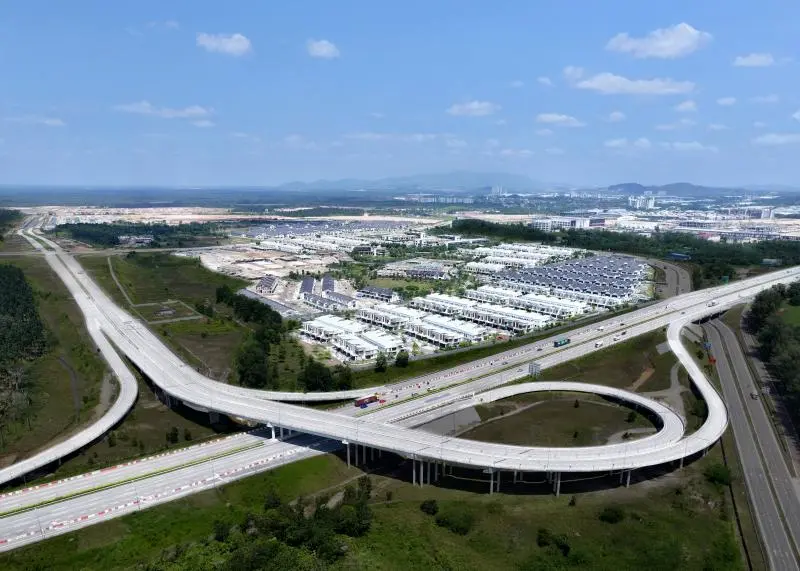
Photo Credits: Malaysiakini
The opening of the Gerbang Nusajaya Interchange represents a transformative milestone for cross-border mobility between Malaysia and Singapore. This new interchange in Malaysia to Singapore has been carefully designed to address longstanding connectivity challenges whilst enhancing economic opportunities for the entire region. Located in Iskandar Puteri, Johor, the interchange provides direct access to the Malaysia–Singapore Second Link Expressway, fundamentally improving how people and goods move between the two nations.
The new interchange in Malaysia to Singapore is strategically positioned at the western gateway of Iskandar Puteri, approximately 5 kilometres from the Sultan Abu Bakar Customs, Immigration and Quarantine Complex. This proximity to the border checkpoint is crucial for efficient cross-border operations. Developed at a cost of RM166.4 million (approximately SGD 52.27 million), the interchange features a trumpet-design elevated structure that seamlessly connects to upgraded local road networks across Gelang Patah and the surrounding areas. The project was completed with careful attention to engineering precision, ensuring that the infrastructure meets the demands of modern cross-border traffic patterns.
One of the most compelling features of this new interchange in Malaysia to Singapore is its capacity to reduce travel times significantly. The estimated 15-minute commute to Singapore’s Tuas Checkpoint represents a substantial improvement over previous journey durations. This reduction in travel time addresses one of the most pressing concerns for daily commuters, particularly those who work across the border or engage in regular business activities between the two countries. For logistics and freight operations, faster transit times translate directly into improved cost efficiency and supply chain reliability.
The infrastructure improvement comes at a critical time for the region’s economic development. The new interchange in Malaysia to Singapore supports the broader vision of the Johor–Singapore Special Economic Zone, a joint initiative aimed at fostering regional economic integration. The interchange enhances connectivity to vital employment hubs, including the Nusajaya Tech Park and the Southern Industrial and Logistics Clusters. These technology and industrial zones are becoming increasingly important for attracting high-quality investments in sectors such as high-tech manufacturing, advanced logistics, automation, and digital economy services. By improving access to these clusters, the interchange removes logistical bottlenecks that have historically constrained business development in the region.
The new interchange in Malaysia to Singapore is situated within the broader context of the 4,471-acre Gerbang Nusajaya integrated township, which carries an impressive gross development value of RM45 billion. This township encompasses residential areas, commercial districts, and industrial spaces, all of which benefit from the improved connectivity provided by the new infrastructure. The project supports the development of more than 2,900 residential units and additional commercial spaces scheduled for completion through 2026, creating a comprehensive urban ecosystem that caters to modern living standards whilst facilitating business operations.
Traffic congestion at border crossings has long been a challenge for the Malaysia–Singapore corridor. The Johor–Singapore Causeway and the Malaysia–Singapore Second Link have historically experienced significant congestion, particularly during peak travel periods and festive seasons. Approximately 450,000 people cross the border daily via the two existing land checkpoints. The new interchange in Malaysia to Singapore, combined with ongoing efforts to implement digital border systems such as the QR code travel verification introduced in 2024, represents a multi-faceted approach to addressing these mobility challenges. The interchange’s direct connection to the Second Link Expressway helps distribute traffic more effectively, reducing bottlenecks at congested points.
For investors and business professionals, the new interchange in Malaysia to Singapore signals an enhanced commitment to improving the region’s competitiveness. Johor has emerged as Malaysia’s most attractive investment destination, recording investment values exceeding RM91.1 billion in recent quarters. The improved infrastructure directly supports this economic momentum by making the state more accessible for skilled workers, investors, and businesses seeking to establish operations that leverage the unique opportunities afforded by proximity to Singapore. The enhanced connectivity strengthens Iskandar Puteri’s role as Flagship B of the Johor–Singapore Special Economic Zone, positioning it as a destination for sustained economic growth and employment opportunities.
The new interchange in Malaysia to Singapore also complements other ongoing infrastructure initiatives designed to enhance cross-border connectivity. The Johor Bahru–Singapore Rapid Transit System, scheduled for completion by the end of 2026, will introduce train-based cross-border travel for the first time, capable of ferrying 10,000 passengers per hour. Together, these projects represent a comprehensive infrastructure upgrade that addresses transportation challenges from multiple angles, catering to different commuter preferences and cargo requirements. The combination of improved road access through the Gerbang Nusajaya Interchange and expanded rail options through the RTS Link positions the Malaysia–Singapore corridor as a modern, efficient cross-border zone.
The environmental and social implications of the new interchange in Malaysia to Singapore should also be recognised. By reducing travel times and congestion, the interchange contributes to lower fuel consumption and reduced emissions for vehicles traversing the corridor. Additionally, improved connectivity enhances social integration between communities on both sides of the border, facilitating cultural exchange, educational opportunities, and family connections that are essential for regional cohesion.
The opening of the Gerbang Nusajaya Interchange marks a pivotal moment in the development trajectory of the Malaysia–Singapore region. This new interchange in Malaysia to Singapore demonstrates a commitment from both governments and the private sector to address practical mobility challenges whilst creating the infrastructure foundation necessary for sustained economic growth. As businesses and individuals increasingly seek seamless cross-border movement, this enhanced connectivity infrastructure will prove instrumental in attracting investments, supporting employment growth, and establishing the region as a competitive hub within Southeast Asia’s economic landscape.





ICONSIAM’s ‘THAICONIC SONGKRAN CELEBRATION 2026’ to Immerse Bangkok with Thailand’s Most Spectacular Water Festival
Sanya, China Deepens Tourism Ties with Malaysia - Exclusive Benefits Launched for Malaysian Tourists, Ushering in a Tropical Island Getaway at a Moment's Notice
Money20/20 Asia Elevates Its 2026 Agenda with the Launch of The Intersection Stage, Featuring the Industry’s Most Influential Voices

Burning Smell In Singapore: What’s Causing It?
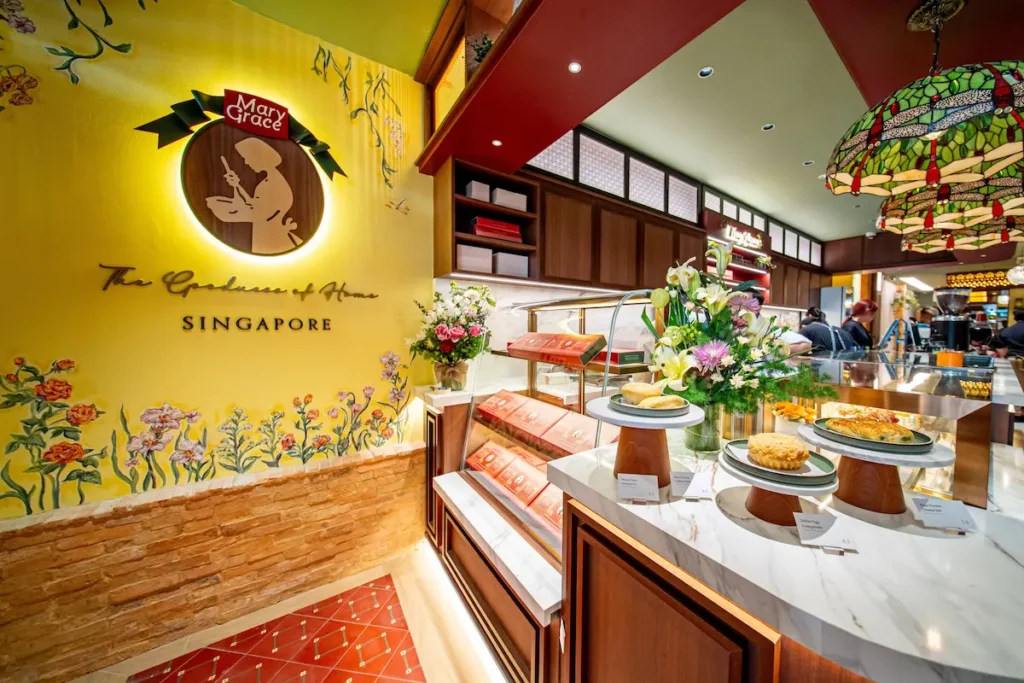
Cafe Mary Grace in Singapore: Is It Worth It?

Singapore Ocean Week 2026: Dive into Conservation

General Practitioners Support Mental Health in Singapore

ICONSIAM’s ‘THAICONIC SONGKRAN CELEBRATION 2026’ to Immerse Bangkok with Thailand’s Most Spectacular Water Festival
Sanya, China Deepens Tourism Ties with Malaysia - Exclusive Benefits Launched for Malaysian Tourists, Ushering in a Tropical Island Getaway at a Moment's Notice
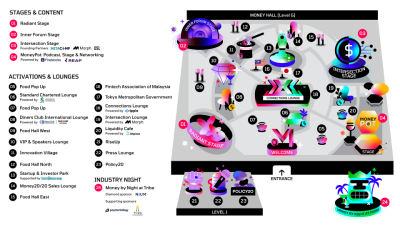
Money20/20 Asia Elevates Its 2026 Agenda with the Launch of The Intersection Stage, Featuring the Industry’s Most Influential Voices
