Photo Credits: NBC News
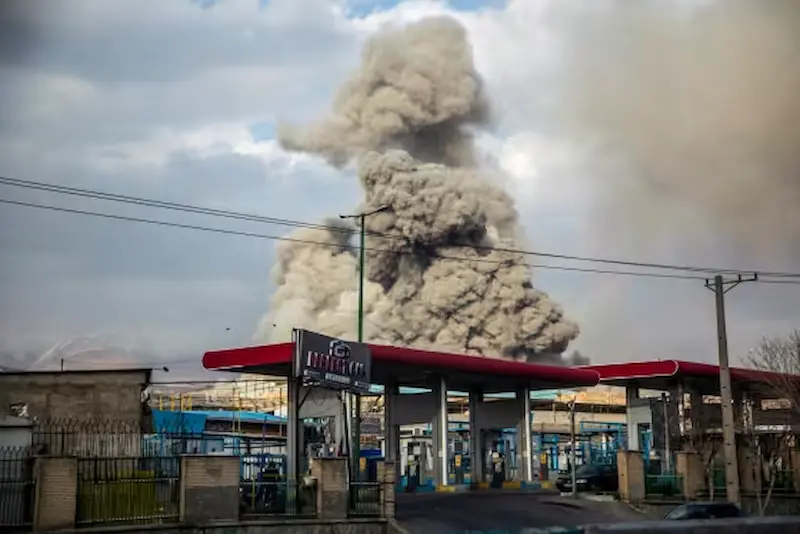
The recent escalation in the US-Israel conflict with Iran has triggered sharp rises in oil prices, fuelling global inflation due to US Israel war concerns. Markets worldwide reacted swiftly, with energy costs climbing and businesses bracing for prolonged impacts. In Singapore, as a trade-reliant hub, these pressures hit particularly hard.
Oil Price Volatility Leads the Charge
Oil benchmarks like West Texas Intermediate jumped 8.6% to $72.79 per barrel shortly after the strikes began. This surge stems from fears over disruptions in key Middle Eastern supply routes, including the Strait of Hormuz, where Iran has previously flexed its influence. Such volatility directly stokes global inflation due to US Israel war dynamics, as higher crude translates to elevated fuel and transport expenses passed onto consumers.
Singapore importers and manufacturers now grapple with these spikes. Energy costs for utilities and logistics have risen, squeezing profit margins especially for small and medium enterprises. Senior Minister Lee warned of these vulnerabilities, noting the city-state’s heavy reliance on imported energy.
Ripple Effects on Singapore Businesses
Local firms report immediate hits from global inflation due to the US Israel war. Higher freight rates and emergency surcharges on sea and air routes add layers of cost, particularly for those with Middle East ties. The Singapore Business Federation highlights how SMEs feel this acutely through input costs and delayed shipments.
Manufacturing sectors face structural disruptions beyond short-term shocks. Capital expenditure holds back as risk premiums climb, with executives delaying expansions. Airlines and travel stocks tumbled, reflecting broader caution in a conflict zone vital to global trade.
Supply chain woes compound the issue. Rerouting cargoes around potential hotspots inflates logistics by double digits. Businesses adapt via diversification, yet the open economy’s exposure leaves little buffer against sustained global inflation due to the US Israel war.
Broader Global Economic Pressures
Worldwide, stock indices dipped—Europe’s STOXX 50 fell 1.3%, Wall Street futures shed 0.8%—as safe havens like gold and the US dollar gained. This flight underscores stagflation risks: high inflation paired with tepid growth, a scenario economists flag from prolonged Middle East tensions.
Consumers bear the brunt through pricier petrol, groceries, and commodities. Even brief Strait closures in prior exercises spiked oil by 6%; current hostilities amplify that threat. For net importers like much of Asia and Europe, this feeds persistent inflationary cycles.
Past conflicts, such as Israel-Hamas, showed spillover: elevated insurance, supply halts, and business delays rippled globally. Today’s US-Israel-Iran fray mirrors this, with added US involvement heightening stakes for worldwide price stability.
Singapore’s Unique Vulnerabilities
As a global trading node, Singapore absorbs shocks rapidly. Elevated oil feeds into utilities, aviation fuel, and manufacturing inputs, eroding competitiveness. The Monetary Authority of Singapore monitors closely, but businesses urge resilience-building now.
SMEs, lacking hedging tools of larger peers, pivot to cost controls and local sourcing. Yet, with no swift resolution in sight, margins thin across retail, F&B, and construction. The conflict’s drag on confidence could curb discretionary spending further.
Geopolitical premiums inflate everything from project financing to insurance. Firms with regional operations prioritise staff safety, implementing evacuations that hike operational expenses. This layered strain exemplifies global inflation due to US Israel war in a hyper-connected economy.
Inflation Transmission Mechanisms
Energy shocks propagate via multiple channels. Transport costs rise first, then cascade to food and goods as producers pass on hikes. Central banks face dilemmas: rate cuts risk entrenching inflation, hikes could stifle recovery.
In Asia, where oil imports dominate, pump prices climb fastest. Singapore’s refined fuel exports position it as both victim and conduit, amplifying global inflation due to US Israel war regionally. Currency shifts, with a stronger dollar, burden importers further.
Historical parallels abound—Russia-Ukraine drove 2% global inflation spikes. Current events, with Iran’s output at stake, portend similar or worse if escalation persists. Markets price in $79+ barrels, eyeing $82 highs not seen since early 2025.
Strategies for Businesses Amid Turmoil
Firms hedge fuel via futures, diversify suppliers beyond the Gulf. Digital tools optimise routes, cutting idle costs. Singapore advocates government support like subsidies or rebates to shield SMEs from global inflation due to US Israel war.
Longer-term, investing in renewables buffers oil dependence. Yet, immediate focus stays on cash flow: trimming non-essentials, renegotiating contracts. Collaboration via federations aids intel-sharing on disruptions.
Consumers, meanwhile, face wallet squeezes. Budgeting for fuel and staples becomes key, with potential knock-ons to rents and services as costs embed. Policymakers eye fiscal measures to temper the pass-through.
Outlook and Uncertainties Ahead
De-escalation hinges on diplomatic off-ramps, but tit-for-tat strikes cloud prospects. Oil futures signal persistence above $70, sustaining global inflation due to US Israel war pressures into mid-2026. Growth forecasts may downgrade, flirting with recession edges.
For Singapore, resilience defines response. Past crises honed adaptability; today’s tests supply chains anew. Monitoring US policy under President Trump proves crucial, as domestic politics could prolong engagement.
Ultimately, the conflict spotlights energy transition urgency. Diversified portfolios and agile operations mitigate risks, but unchecked escalation risks embedding higher inflation globally. Businesses and households alike prepare for a costlier horizon.




DFI Retail Group Holdings Limited 2025 Preliminary Announcement Of Results

Vinhomes Green Paradise Launches Global Smart City Certification Project

Shopee Bazar Hebat Raya Reflects the Rise of Content-Led Shopping

Why Gold Medalist Alysa Liu Is Suddenly Everywhere
US Israel War Sparks Global Inflation Rise
Singapore Latest Travel Advisory: Dubai Flights Halt

Free Fireworks this March 2026 Light Up Marina Bay
DFI Retail Group Holdings Limited 2025 Preliminary Announcement Of Results
Vinhomes Green Paradise Launches Global Smart City Certification Project

Shopee Bazar Hebat Raya Reflects the Rise of Content-Led Shopping