



Where Locals Actually Eat: Hawker Stalls Off The Tourist Trail

C

Photo Credits: AsianInspirations


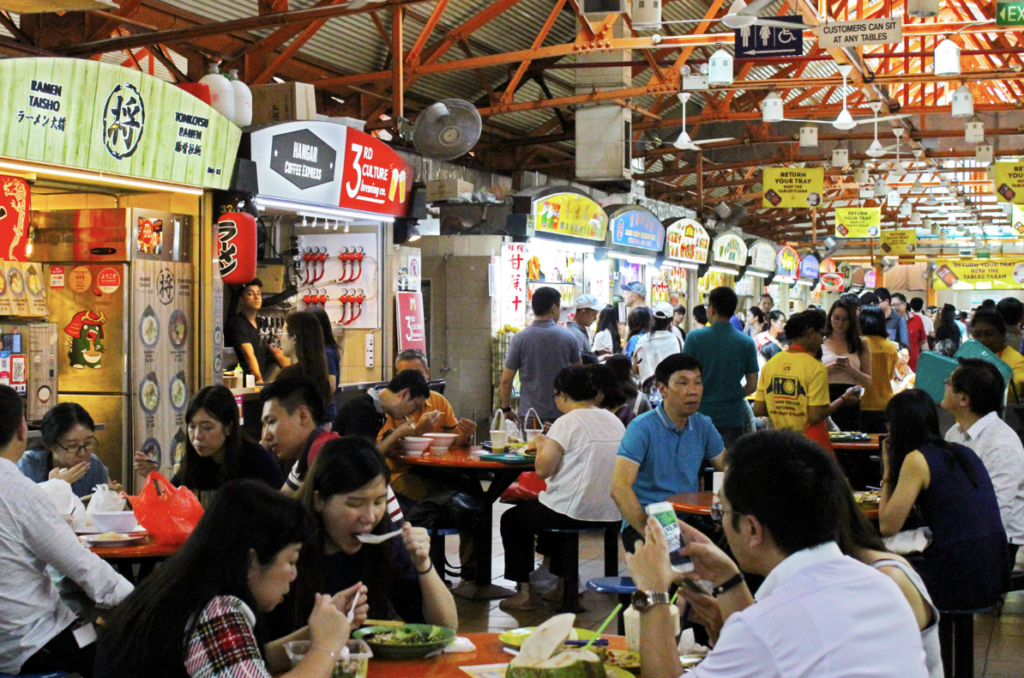
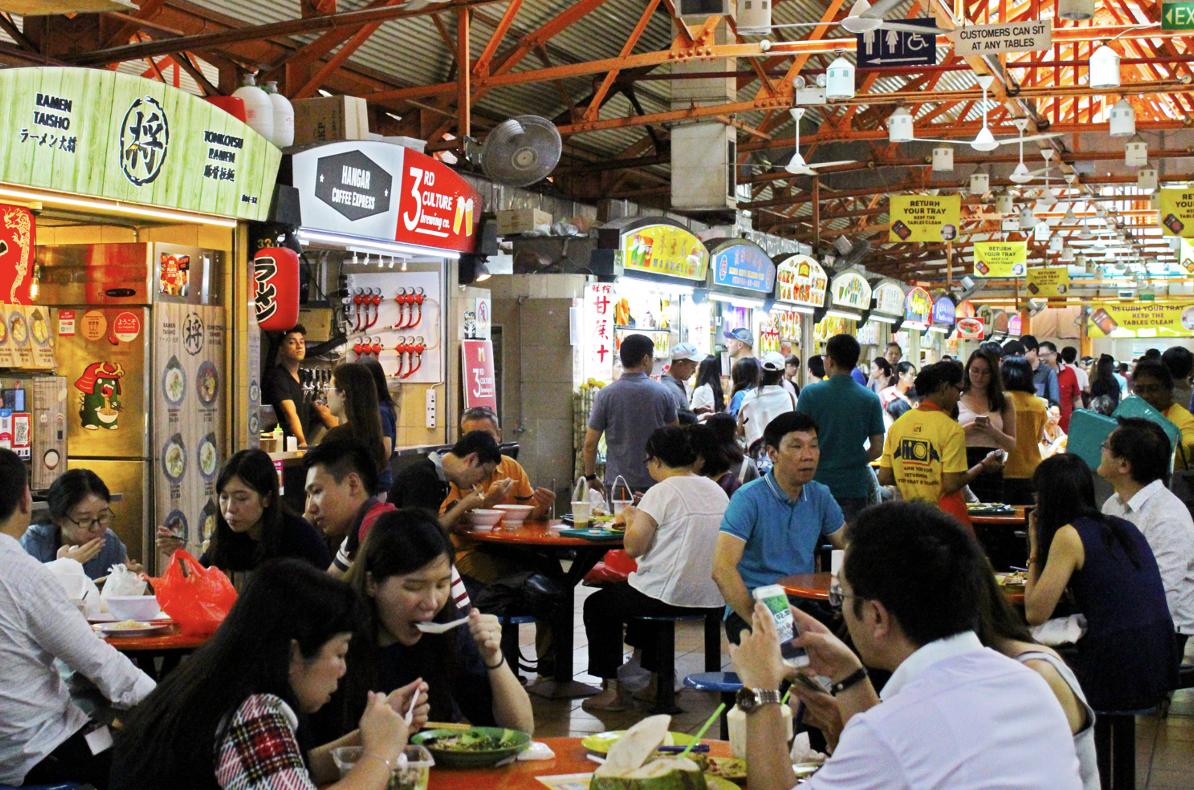
Serangoon Garden Market was voted Singaporeans’ favourite hawker centre out of 121 food centres island-wide, according to the Singapore Hawkers’ Seminar & Awards, beating out the more tourist-heavy names entirely. It sits quietly next to the better-known Chomp Chomp Food Centre in Serangoon, and most visitors walk straight past it without realising which one locals actually queue at.

This guide covers that hawker centre plus what to actually order once you are there, along with why it beats the more famous alternatives for anyone chasing an authentic meal over a photogenic one.

Where Do Singaporeans Actually Eat, Not Just Tourists?

Serangoon Garden Market took the top spot with 216 votes in the Hawkers’ Seminar & Awards, a result that surprised even some longtime followers of Singapore’s food scene since neither Maxwell nor Newton, the two centres most visitors know by name, made the top of that particular vote.

Nine stalls across various hawker centres also picked up Hawker Heritage Awards that year for having operated for more than 50 years, with one stall, 75 Ah Balling Peanut Soup, running for 77 years under third-generation ownership. That kind of longevity is what actually signals a stall worth queuing for, far more reliably than a busy Instagram tag.

What Should I Order At Serangoon Garden Market?

Garden Street Kway Chap is the stall most locals point to first. Its history stretches back to the 1950s, starting at the old Blanco Court site before moving through Hougang and eventually settling in Serangoon Gardens, according to long-running food blog coverage of the stall. The current owner is the founder’s son, who left a career as a qualified pilot to take over the family business.

Seng Kee Mushroom Minced Meat Noodle is the other stall with a permanent queue, known specifically for its fish maw noodle and fish maw soup. It runs slightly above typical hawker prices at $10 to $12 a bowl, which is still a fraction of what a similar dish costs at a restaurant.

Here is a quick reference for a first visit.

Stall

Signature Dish

Approx. Price

Why Locals Queue

Garden Street Kway Chap

Kway chap set

$12 for three people

1950s heritage, family-run

Seng Kee Mushroom Minced Meat Noodle

Fish maw noodle

$10 to $12

Long-running, generous portions

Soon Huat Pig’s Organ Soup

Pig’s organ soup

Under $10

Longest queue in the centre

Serangoon Garden Bakery

Traditional buns

From $1

Old-school, cheap and reliable

Serangoon Garden Bakery is worth a stop even if you are full. It sells traditional buns from around $1 each, in flavours including curry, kaya and cheese, along with whole cakes such as walnut and banana. It has sat in the same corner of the food centre for years, which is unusual for a bakery stall competing against modern cafés opening across the island.

If wet markets interest you as much as hawker food, our guide to the retro wet market at Tan Xiang Cai Shi covers a similarly overlooked spot worth the detour.

Is Skipping The Famous Hawker Centres Actually Worth It?

Here is the honest trade-off. Serangoon Garden Market has no MRT station nearby, and getting there means catching one of a handful of bus services or driving in. Maxwell and Newton both sit a short walk from an MRT exit, which is exactly why they dominate tourist itineraries regardless of whether the food is actually better.

If convenience matters more to your trip than an authentic queue, stick with the MRT-accessible centres. If you have an extra twenty minutes and want the meal locals actually vote for, the bus ride is worth it. Buses 73, 136, 315 and 317 all stop within walking distance of the hawker centre, so a taxi is not strictly necessary either.

For more everyday food spots that do not always make the tourist lists, browse our Food section for ongoing coverage of Singapore’s hawker and dining scene.

Frequently Asked Questions

Is Serangoon Garden Market the same as Chomp Chomp? No. They sit next to each other in the Serangoon Gardens estate, but Chomp Chomp is the better known, more tourist-heavy centre, while Serangoon Garden Market is the quieter one locals actually voted their favourite.

What time should I go to avoid queues? Weekday mornings before 11am tend to be quietest, since weekends bring in residents doing their grocery runs at the adjoining wet market as well as hawker centre visitors, which stacks up the queues at the most popular stalls.

Are prices higher at award-winning stalls? Not necessarily. Garden Street Kway Chap and Soon Huat Pig’s Organ Soup both sit within normal hawker pricing, generally under $12 a serving, even with their heritage recognition and long queues.

Do I need cash, or can I pay by card? Most stalls at Serangoon Garden Market still run on cash or PayNow, though some newer or more digitally minded stalls elsewhere have started using WhatsApp Business ordering, so carrying small notes is still the safer default here.

Is this hawker centre suitable for visitors unfamiliar with local food? Yes, though the lack of English signage at some stalls can be confusing for first-time visitors. Pointing at what other diners are eating, or asking the stall owner directly, works better here than trying to read every menu board in detail.

If you know a hawker stall that deserves wider recognition, email us at admin@dei.com.sg and we may feature it in a future guide.


C
Content Team
1win Charity Supports 35,000 Families Through Four Relief Initiatives Across Latin America
4 September 2026
Save

1win Charity Supports 35,000 Families Through Four Relief Initiatives Across Latin America
C
Content Team
vivo Joins 2nd Global Corporate Belt and Road High-Quality Development Summit, Highlighting Local Engagement Across Southeast Asia
4 September 2026
Save

vivo Joins 2nd Global Corporate Belt and Road High-Quality Development Summit, Highlighting Local Engagement Across Southeast Asia
C
Content Team
HKUST Tops Hong Kong Universities with More Than 1,000 HKPFS Recipients
4 September 2026
Save

HKUST Tops Hong Kong Universities with More Than 1,000 HKPFS Recipients