

Photo Credit: Nets
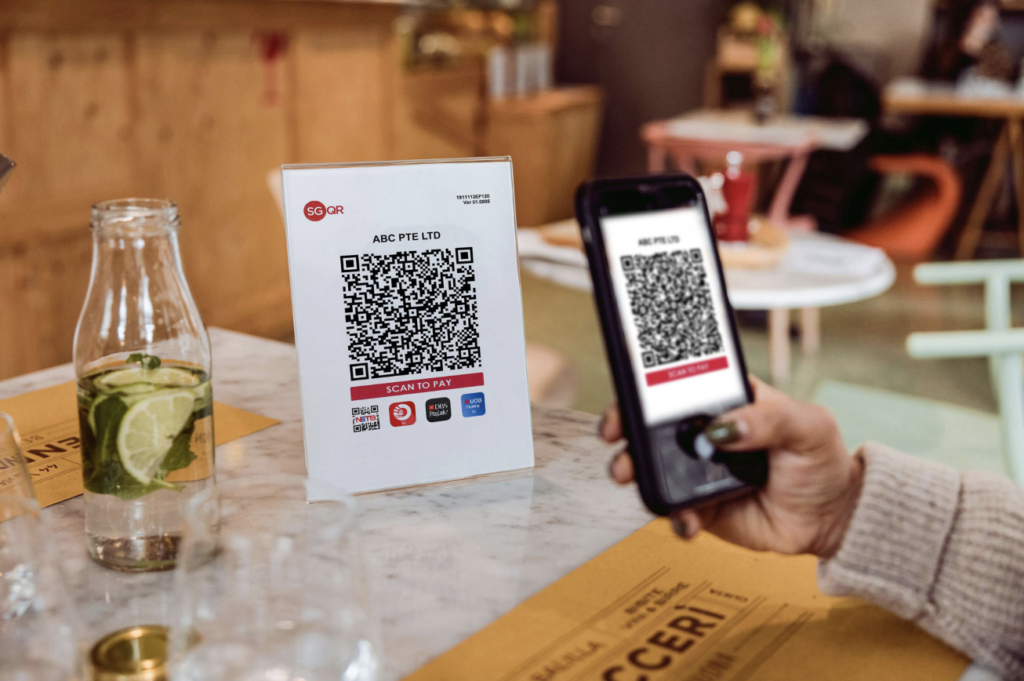
Singapore launched SGQR in September 2018, a single national QR code that combines many payment schemes, according to the Monetary Authority of Singapore. More than 11,500 hawkers had started using SGQR, according to The Straits Times in a report carried by Asia News Network, yet some stalls still accept only cash. For readers of lifestyle magazines Singapore wide, the practical rule is to carry a phone with PayNow and a few small notes as a backup.
This guide explains the system, what stalls accept and how to avoid being stuck.
The change began with a standard QR code. The Monetary Authority of Singapore says SGQR consolidated the QR codes of many international and domestic payment schemes into one unified interface, and that more than 32,000 SGQR codes had been deployed across merchants including hawker centres by the time of its reply to Parliament. It also says Enterprise Singapore worked with NETS on a unified e-payment solution at small food businesses from December 2018.
A bigger push followed. Dollars and Sense says the unified e-payment solution rolled out in June 2019, with NETS as master acquirer, a merchant discount rate of 0.5% for monthly payment transactions and a waived terminal rental fee. Consumers could pay through 27 schemes, including 19 on SGQR and 8 on the terminal, according to the same source.
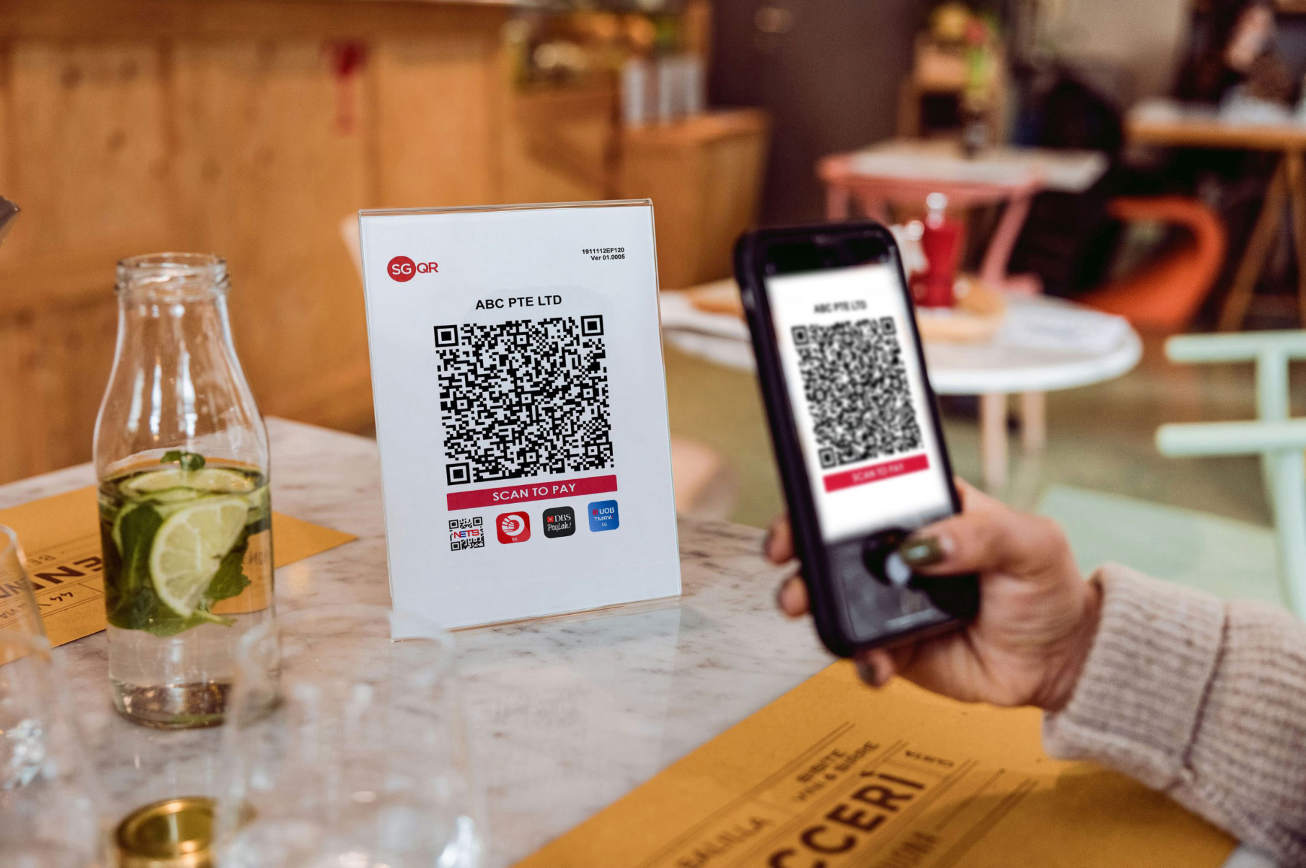
A short answer to “how do I pay at a hawker stall?” is to scan the SGQR code with your banking or e-wallet app, or tap a card on the terminal if the stall has one.
Many accept several methods. The 3ECPA guide says the all-in-one terminals can read chip cards, contactless cards and QR codes. The Monetary Authority says four out of five e-payment transactions at the stalls it studied in 2019 were made through SGQR, so the QR code is the main route.
Some stalls stay with cash. The Straits Times found hawkers across eight centres who still accept only cash, including a noodle stall at West Coast Food Centre with a “Cash Only” sign. It also reports that some hawkers use their personal PayNow QR code or mobile number instead of SGQR, so the real number of digital stalls may be larger than the 11,500 reported.
Here is a quick guide.
Method | Where It Works | Notes |
SGQR with a banking or wallet app | Most participating stalls | Single code covers many schemes |
PayNow | Stalls that display it, including personal codes | Check the name that appears before you confirm |
Contactless card or NETS | Stalls with a terminal | Terminal reads chips, contactless cards and QR codes |
Cash | All stalls, and the only option at some | Carry small notes |
If you plan a hawker meal, our guide to Serangoon Garden Market, Singapore’s favourite hawker centre shows how locals choose where to eat.
Islands and small vendors are the clearest cases. TravJoy says the Pulau Ubin bumboat is cash only, and Traveloka says card payments are not widely accepted by island vendors there. Public transport is the opposite. SimplyGo says contactless bank cards work at gates and on buses at the same fare as EZ-Link, so no cash is needed.
Think about small purchases. The Straits Times says some hawkers keep cash because they are used to it, while OpenGov Asia noted in an older report that many customers prefer cash for low-value transactions at hawker centres.
For most days, yes. Use QR payments when the code is clearly displayed, and check the stall name on your app before you confirm. Keep a small amount of cash for markets, islands and stalls without codes. Do not share your banking details with anyone, and avoid tapping unknown links.
Here is the blunt limitation. Several sources in this guide date from 2018 to 2022, and adoption has probably grown since. Individual stalls change what they accept, so look for the sign at the counter before you order. Do not assume a stall takes cards because its neighbour does.
For more on how daily life is changing, browse our Tech section for more on Singapore trends in technology.
The numbers have grown from a small start. The Monetary Authority says SGQR labels and unified point-of-sale terminals had been deployed at over 500 stalls across 10 hawker centres, 22 coffeeshops and 12 industrial canteens by its 2019 reply. Later, The Straits Times reported more than 11,500 hawkers using SGQR. The Straits Times also found stalls that had chosen not to adopt it, so coverage still varies from one centre to the next.
Do foreign visitors need a Singapore bank account? Not for cash or contactless cards. QR payments through local apps usually need a Singapore account, so check whether your own card can be tapped at a terminal.
What if I scan the wrong QR code? Check the merchant name on your app before you confirm, and keep your receipt. Contact your bank if a payment goes to the wrong person.
Are small stalls charged for e-payments? Dollars and Sense says the unified scheme set a merchant discount rate of 0.5% for monthly payment transactions. Rates may differ by provider.
Will hawker centres go fully cashless? Not soon. The Straits Times found stalls that remain cash only, so carry some cash for now.
If you have a payment tip to add, email us at admin@dei.com.sg.