





ERP 2.0 Trial in Singapore: New Signs at 5 Sites

C

Photo Credit: AsiaOne

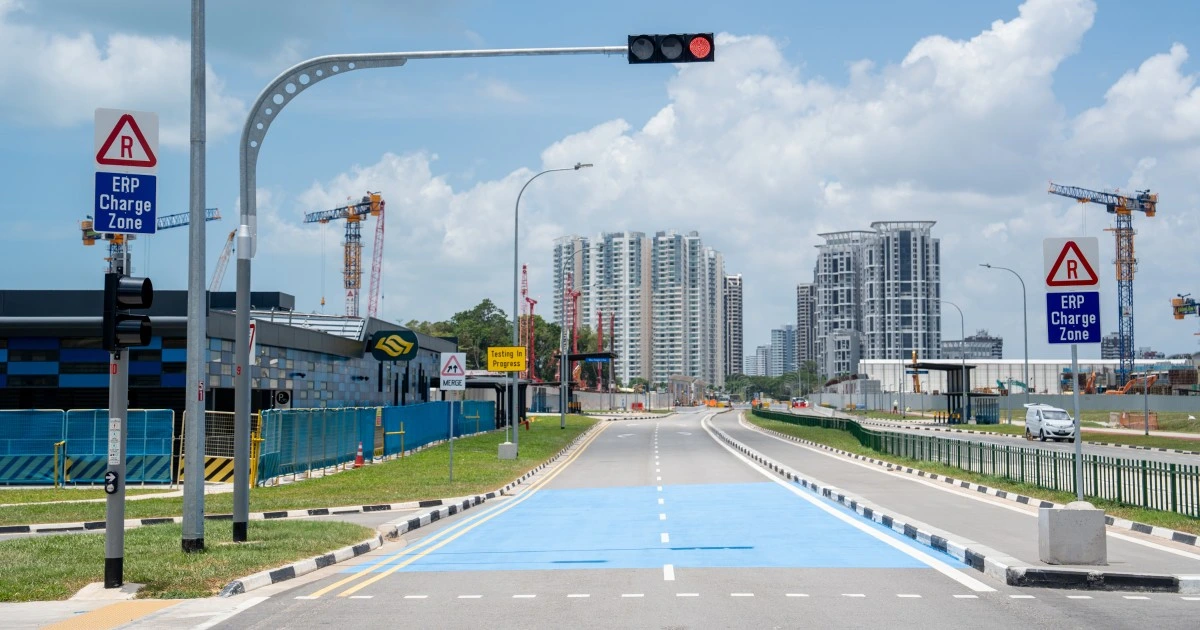
Singapore’s roads are set for a significant upgrade as the Land Transport Authority (LTA) rolls out the next phase of trials for the ERP 2.0 system. This ERP 2.0 trial in Singapore focuses on innovative road signs and markings designed to guide drivers in a future without physical gantries.

Evolution of ERP in Singapore

The Electronic Road Pricing (ERP) system has long been a cornerstone of Singapore’s transport strategy, tackling congestion since the 1970s. It began with the Area Licensing Scheme in 1975, where drivers purchased paper licences to enter busy areas during peak hours. This manual approach evolved into the gantry-based ERP launched in 1998 on the East Coast Parkway, using in-vehicle units for seamless electronic deductions.

Over the years, ERP expanded to major expressways like the Pan-Island Expressway and Central Expressway, adjusting rates dynamically based on traffic flow. The shift to ERP 2.0 marks a leap forward, embracing satellite technology via Global Navigation Satellite System (GNSS). Full implementation arrives on 1 January 2027, with over 96 per cent of vehicles already fitted with the required On-Board Unit (OBU).

What is ERP 2.0?

ERP 2.0 replaces gantries with GNSS-enabled OBUs that track vehicle positions precisely. These units detect when cars enter charging zones, calculate fees based on congestion, and notify drivers via screens or apps. No more towering gantries means cleaner roadsides and more flexible pricing.

The OBU offers extras like advance alerts for charges, parking payments, and even school zone warnings. Motorists insert compatible NETS cards for automatic deductions, while backend options suit smartphone users. Foreign vehicles can opt in voluntarily, avoiding flat daily fees.

Purpose of the Road Signs Trial

With gantries vanishing, clear visual cues become essential. The ERP 2.0 trial in Singapore tests five unique combinations of signs and markings at busy spots, mimicking real charging points. These will pair with OBU notifications to prevent surprises and ensure smooth compliance.

LTA refined designs from March trials at Bayshore Drive, where blue ‘E’ symbols and painted lanes drew positive feedback. Skid resistance and visibility checks confirmed safety standards. Now, the second phase gathers data under varied traffic and weather to perfect these aids before 2027.

Trial Locations and Features

The ERP 2.0 trial in Singapore spans five diverse sites from 1 June to 31 July 2026:

  • PIE westbound after Kallang Bahru on Woodsville Flyover: Oval blue ‘ERP’ symbols painted per lane mark entry.
  • CTE southbound from Serangoon Road: Targeted signage for high-speed detection.
  • PIE westbound before Eunos Link: Adapted markings for arterial flow.
  • Marina Boulevard to Marina Coastal Expressway eastbound: 25-metre blue road stretches with central white ‘ERP’ text.
  • Citybound AYE after Jurong Town Hall: Combination cues for urban transitions.

These spots reflect peak congestion patterns, allowing thorough evaluation. About 1,000 invited drivers, via partners like the Automobile Association of Singapore, will test full OBU features including toll payments.

How Motorists Can Participate

Keen drivers can join by invitation or email feedback to LTA_Pilot_GNSS@lta.gov.sg before 31 July. Participants experience prototype alerts and payments, helping shape the system. Non-participants spot the temporary markings—no charges apply during trials.

This hands-on approach builds confidence ahead of mandatory OBU use. Vintage vehicles gain exemptions, while others face fines up to S$20,000 for non-compliance post-2027.

Benefits for Singapore Drivers

Gantry-free roads promise less clutter and precise charging—pay only for congested stretches travelled. Dynamic rates curb peaks better, potentially easing jams. OBUs deliver real-time info, from ERP rates to incidents, enhancing safety.

Environmentally, smoother traffic cuts emissions. Economically, it maintains Singapore’s edge in efficient urban mobility. Early adopters report intuitive alerts, minimising errors.

Preparing for Full Rollout

By 2027, every Singapore-registered vehicle needs an OBU; book via go.gov.sg/book-obu upon LTA notice. Installation is free initially, then S$35–S$70. Check compatibility—SimplyGo EZ-Link cards won’t work, but NETS motoring cards will.

LTA monitors progress closely, with no immediate distance-based shifts. Trials like this ERP 2.0 trial in Singapore ensure a seamless switch, prioritising user experience.

Looking Ahead to ERP 2.0

This trial cements Singapore’s innovation lead, evolving ERP from paper slips to satellite smarts. Clear signs and smart OBUs will redefine road pricing, balancing flow and fairness. As markings appear this June, watch for blue cues heralding a gantry-less era.

Motorists, stay informed via LTA channels. The ERP 2.0 trial in Singapore is more than tests—it’s the roadmap to smarter drives.

C
Content Team
ERP 2.0 Trial in Singapore: New Signs at 5 Sites
14 May 2026
Save
ERP 2.0 Trial in Singapore: New Signs at 5 Sites
C
Content Team
How to Celebrate Vesak Day in Singapore
13 May 2026
Save
How to Celebrate Vesak Day in Singapore
C
Content Team
Kenanga Futures Launches "Shining in Global Futures" Campaign, Expanding Retail Access to Global Derivatives Markets
14 May 2026
Save
Kenanga Futures Launches "Shining in Global Futures" Campaign, Expanding Retail Access to Global Derivatives Markets