





Photo Credits: TheStraitsTimes
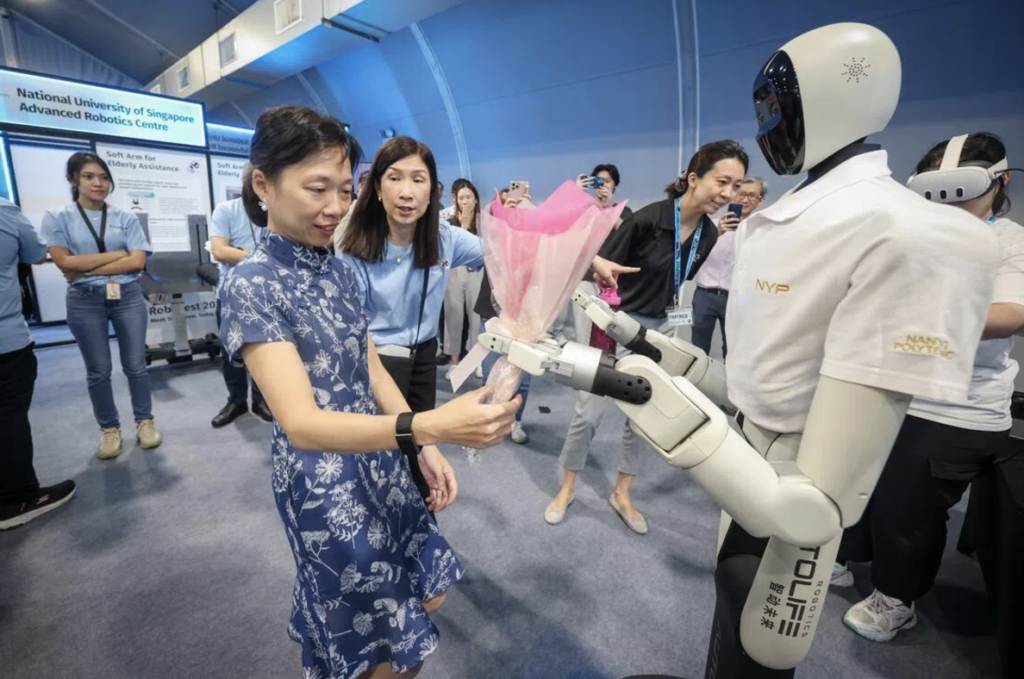
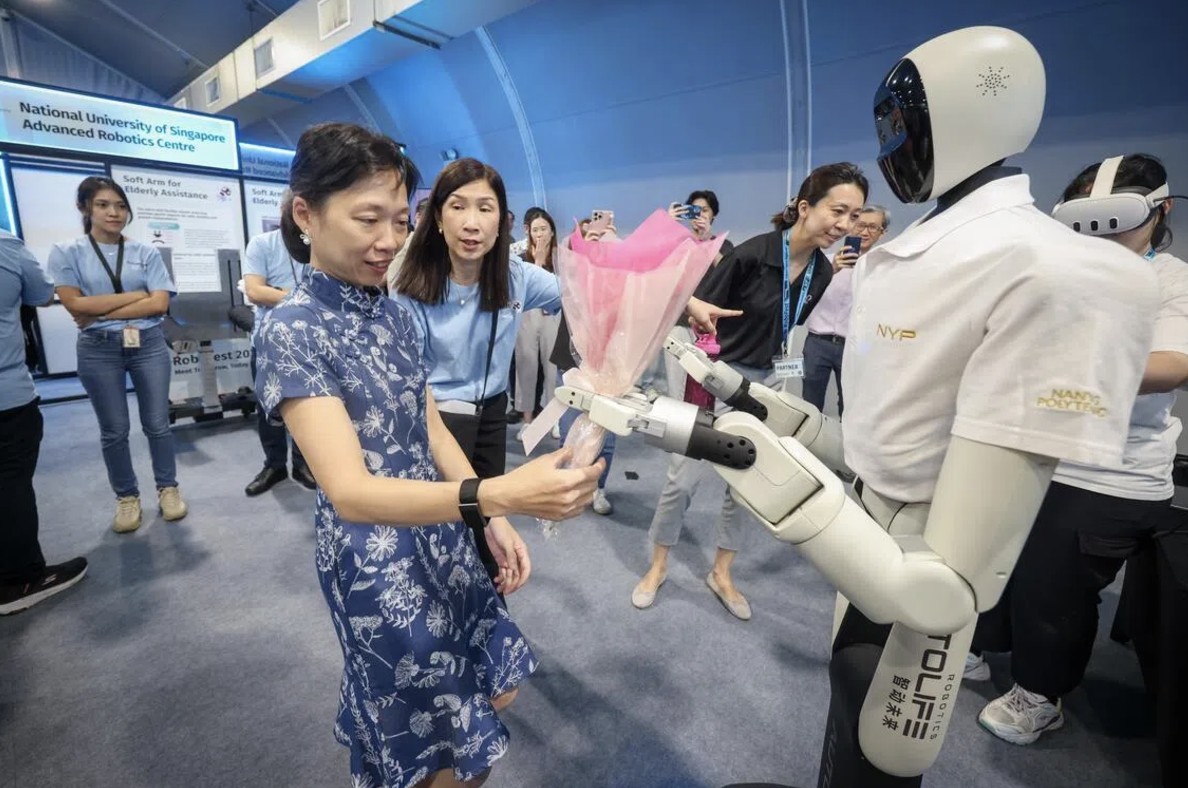
The festival opened with a live public pilot of six robots, a mix of wheeled and bipedal humanoid models, deployed in visitor-facing roles such as guides, ushers and performers, working alongside the Centre’s human Science Educators, according to Science Centre Singapore’s own media release. This marked the Centre’s first structured public test of gallery robots ahead of a planned new Science Centre building.
The Playground zone hosted some of the more memorable moments, including live robot boxing and fire-fighting dog robot demonstrations. A limited-run comedy show, My Colleague Is A Robot Dog, explored human-robot dynamics for laughs rather than pure technical demonstration, according to coverage by The Straits Times.
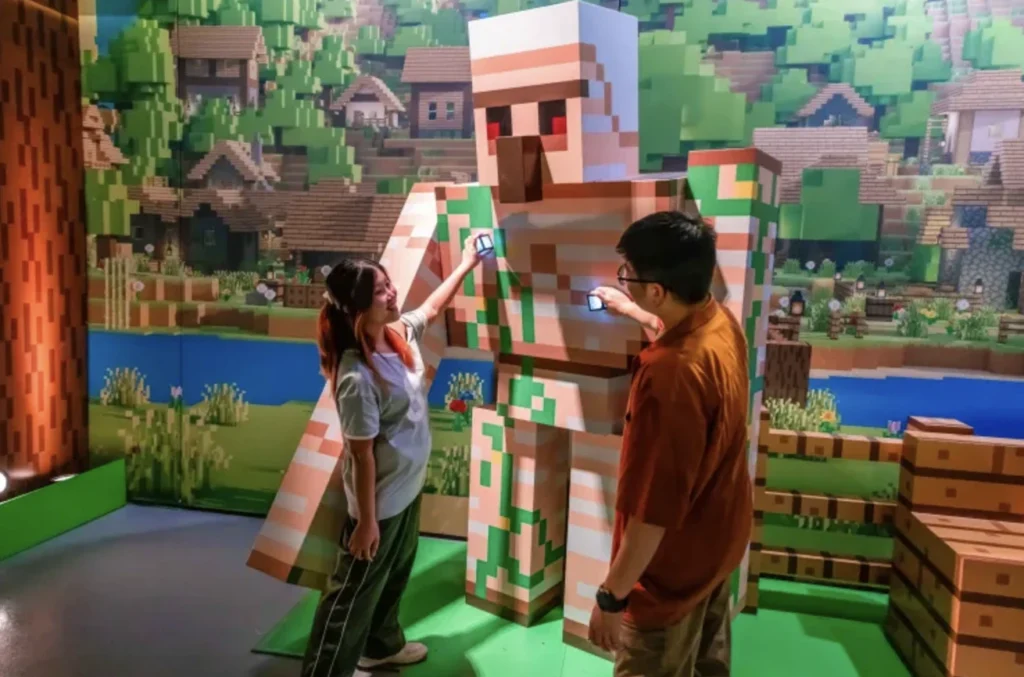
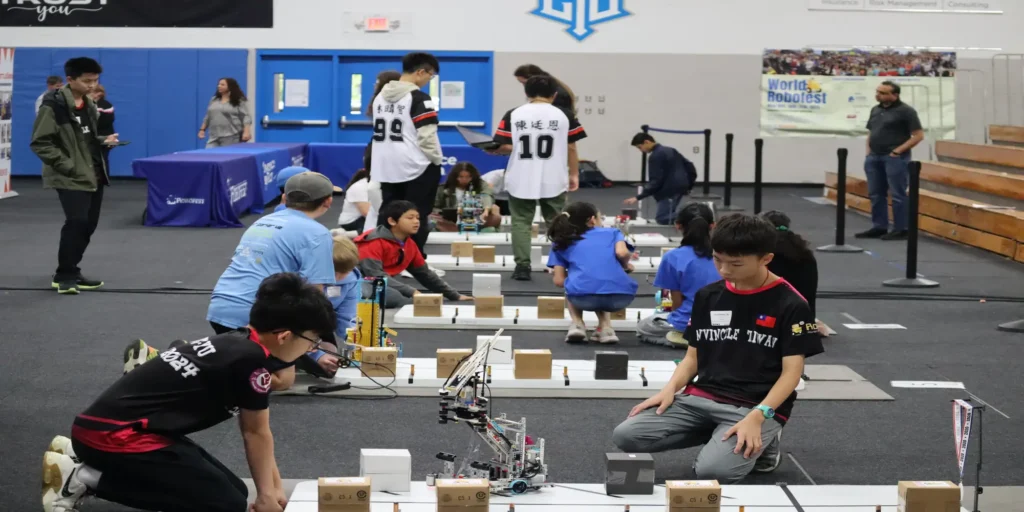
RoboCup Singapore competition action ran throughout the festival, giving visitors a chance to watch actual robotics teams compete rather than only observe staged demonstrations. Hands-on zones let attendees build their own bots and try AI prompt-crafting in a multi-player challenge, alongside activities testing whether participants could correctly detect AI-generated media.
Here is a quick breakdown of what the festival covered.
Zone Or Activity | What It Involved | Audience Fit |
The Playground | Robot boxing, fire-fighting dog demos, comedy show | General public, families |
RoboCup Singapore | Live robotics competition | Robotics enthusiasts, students |
Build-your-own-bot | Hands-on construction activities | Kids, school groups |
AI detection challenge | Spot AI-generated media | Teens, working adults |
The festival was designed for a wide range of visitors, including curious families, students, working adults, seniors and the existing robotics community, according to the official press release distributed via PRNewswire. That breadth is part of why the event drew both school groups on weekday mornings and a more mixed adult crowd over the weekend stretch.
If you’re interested in how robotics fits into Singapore’s wider tech direction this year, our Singapore tech looks at where AI and automation are heading beyond just this one event.
Here is the balanced take. The festival succeeded at making robotics feel approachable rather than intimidating, largely because the tone leaned into humour and hands-on play instead of dense technical explanation. Watching a robot dog perform in a comedy show does more for public curiosity than a lecture on actuators ever would.
Where it was more limited is scale. Four days is a short window, and the six-robot public pilot inside the galleries was explicitly framed as a first structured test, not a permanent feature. Visitors hoping to see gallery robots on a return trip outside the festival dates would not have found them there.
The event was also positioned as groundwork for a future permanent Science Centre building, meaning much of what was piloted this April may not resurface in the same form until that new building opens.
For updates on future editions and similar events, browse our Tech section for ongoing coverage.
Will RoboFest return in future years? The 2026 edition was framed as the Centre’s first festival of this kind, and the public robot pilot was explicitly tied to plans for a new Science Centre building, so a future edition is plausible but no confirmed date had been announced at the time of this recap.
Were the robots at RoboFest fully autonomous? The festival’s gallery robots worked alongside human Science Educators in visitor-facing roles, suggesting a supported rather than fully independent deployment, which is typical for early public robotics pilots where safety oversight matters.
Was RoboFest suitable for young children, or mainly for teens and adults? The festival was designed across a wide age range, with hands-on build activities and toddler-accessible zones alongside more advanced content such as the RoboCup competition, so most family groups could find something age-appropriate.
Did RoboFest require a separate ticket from general Science Centre admission? Early bird tickets were promoted ahead of the event with a bonus gift while stocks lasted, indicating the festival ran as a distinct ticketed event rather than being automatically included with standard Science Centre entry.
What made RoboFest different from a typical tech expo? Unlike a trade-focused expo, RoboFest was built around a public, family-friendly experience with entertainment elements such as robot boxing and comedy performances, rather than being aimed primarily at industry professionals or investors.
Do I need to book tickets in advance if a future edition is announced? Early bird pricing with a bonus gift was offered ahead of the 2026 edition while stocks lasted, so booking early rather than waiting for the event dates to arrive is worth doing if a next edition is confirmed, particularly for the ticketed zones rather than general Science Centre admission.
If you attended RoboFest 2026 and want to share a highlight we missed, email us at admin@dei.com.sg.